








Exploring the Wonders of Texas Parks and Recreational Areas
Texas, the second-largest state in the United States, is famous for its vast landscapes, rich history, and diverse ecosystems. Home to an impressive array of parks and recreational areas, the Lone Star State offers opportunities for outdoor enthusiasts, families, and nature lovers alike. Visitors can explore everything from rugged mountains and lush forests to serene lakes and coastal shores. With a variety of options available, there’s something for everyone, making Texas an outdoor playground.
The state’s commitment to preserving its natural beauty can be seen in the multitude of state parks, national parks, and recreational areas. Not only do these spaces provide critical habitats for wildlife, but they also serve as vital resources for community recreation and tourism. With activities ranging from hiking and camping to fishing and birdwatching, the parks of Texas present a myriad of ways to engage with nature.
State Parks: A Gateway to Adventure
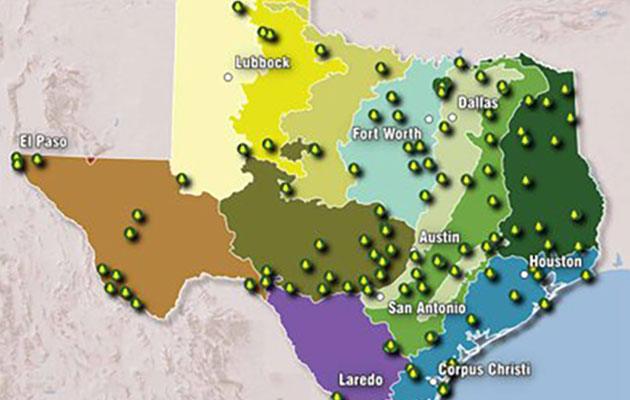
Texas boasts 89 state parks, each showcasing unique geological features and environmental significance. These parks are essential not only for recreation but also for conservation. For instance, Big Bend State Park in West Texas spans over 800,000 acres and features intricate canyons, mountain ranges, and a wide variety of flora and fauna. Its remote location makes it an ideal place for stargazing, as it has been designated an International Dark Sky Park.
Among the diverse offerings, Guadalupe Mountains National Park stands out, housing the state’s highest peak, Guadalupe Peak. Visitors can hike challenging trails that navigate through the rugged terrain to reach breathtaking views that overlook the surrounding desert land. Enhanced by wildflower blooms in spring, this area is a haven not only for adventurers but also for photographers capturing its sublime beauty.
Inks Lake State Park provides a stark contrast to the mountains of Big Bend and Guadalupe. Located in Central Texas, this park is defined by its sparkling waters, offering opportunities for swimming, boating, and fishing. The park’s scenic trails are perfect for families looking for a leisurely hike, picnic areas invite gatherings, and campgrounds welcome nature lovers to set up for a weekend getaway. The park is also known for its beautiful sunsets that draw visitors to the water’s edge to conclude their activities.
Popular Activities in State Parks
- Hiking: With trails ranging from easy to strenuous, each park has options suitable for all skill levels. For instance, the Old Baldy Trail at Paynes Prairie State Park offers a moderate hike with expansive views.
- Canoeing and Kayaking: Many parks, such as Lake Livingston State Park, provide rentals for water activities. Paddling through serene waters can reveal unique wildlife.
- Biking: Parks like Palmetto State Park have trails specifically designed for cyclists, helping visitors explore various terrains swiftly.
- Wildlife Watching: The diversity of ecosystems within Texas parks supports a wide variety of wildlife. Birdwatchers flock to Estero Llano Grande State Park for migratory species.
National Parks: Preserving Natural Heritage
Texas is home to several magnificent national parks that further enhance the landscape and recreational opportunities. Notable among these is San Antonio Missions National Historical Park, a UNESCO World Heritage site that combines cultural heritage with natural beauty. The park preserves four of the five Spanish colonial missions that were integral to the spread of Christianity among Native Americans. This mixture of history and nature appeals to visitors who appreciate both cultural insights and the great outdoors.
Big Bend National Park also deserves special mention. Encompassing desert and mountain surroundings, Big Bend is a showcase of diverse ecosystems where visitors can hike through canyons or enjoy the solitude of the Chihuahuan Desert. The Rio Grande River, which forms the boundary between the U.S. and Mexico, offers opportunities for rafting and fishing, while unique geological formations entice geology enthusiasts. This park serves as a reminder of the beauty of both natural and cultural landscapes, featuring ancient fossils, petroglyphs, and remnants of early settlers.
Another remarkable destination is Guadalupe Mountains National Park. Known for its ruggedness, it features limestone formations, vast deserts, and a variety of wildlife. Hiking to the summit of Guadalupe Peak is a challenging yet rewarding experience. On a clear day, hikers can see for miles across the vast plains that dominate this part of Texas. The park is also an excellent spot for hiking enthusiasts looking to immerse themselves in the spectacular beauty that defines West Texas.
Visitor Information and Accessibility
- Entrance Fees: While some parks have free access, others may charge nominal fees for entrance. The funds go towards maintenance and preservation efforts.
- Visitor Centers: Most parks feature visitor centers that provide maps, educational materials, and first-hand accounts from park rangers regarding the best spots to explore.
- Accessibility: Efforts to make parks accessible for all have been made, with many trails equipped for visitors using wheelchairs or strollers.
- Camping Facilities: Many parks offer camping sites, but advance reservations are recommended, especially during peak seasons.
Wildlife and Conservation Efforts
The variety of habitats throughout Texas parks creates a biodiversity hotspot. The state is home to several endangered species, such as the Texas Horned Lizard and the Golden-cheeked Warbler. Many parks participate in conservation efforts to protect these species and their habitats. Organizations like the Texas Parks and Wildlife Department work tirelessly to educate the public on conservation practices, promoting responsible usage of these precious outdoor spaces.
In recent years, increased awareness regarding climate change and its effects on ecosystems has prompted additional conservation measures. Many parks collaborate with local communities to restore natural habitats, plant native species, and remove invasive plants to ensure a balanced ecosystem. Special programs, such as the Texas Coastal Program, focus on restoring coastal areas that are vital for both wildlife and local economies dependent on fishing and tourism.
Additionally, robust educational programs are available within many parks, aimed at teaching visitors about the local flora and fauna. These activities often include guided nature walks, educational talks by park rangers, and interactive displays. Such initiatives foster a deeper connection between individuals and the natural environment, culminating in a more informed and respectful visitor base.
Tips for Enjoying Texas Parks Responsibly
- Leave No Trace: Visitors are encouraged to take everything they bring into the parks, ensuring minimal impact on the natural surroundings.
- Wildlife Viewing Etiquette: Keep a safe distance from wildlife and refrain from feeding animals, as this can disrupt their natural behaviors.
- Stay on Designated Trails: Protecting plant life and preventing soil erosion can be as simple as sticking to established trails.
- Plan for the Weather: Texas weather can be unpredictable. Be prepared with appropriate gear and check forecasts before visiting.
Conclusion: Embracing the Outdoors in Texas
With its vast range of parks and recreational areas, Texas is a true haven for nature lovers and outdoor enthusiasts. Whether hiking in the rugged mountains, fishing in serene lakes, or exploring the rich history embedded in the state’s parks, visitors have an abundance of opportunities to reconnect with the environment. The blend of outdoor adventure, wildlife conservation, and historical significance makes Texas an outstanding destination for anyone looking to immerse themselves in the beauty of the great outdoors.
As communities continue to rally around conservation efforts and promoting outdoor activities, the legacy of Texas parks remains secure. This commitment to preserving natural resources ensures that future generations will be able to enjoy and learn from these remarkable landscapes. So pack your bags, lace up your hiking boots, and venture out to discover all that Texas parks have to offer.