






A distinct stillness envelops West 7th Street just before the morning rush, marking a fleeting moment when the neon lights of bars have dimmed and the aroma of brewing coffee begins to fill the air. This tranquil period is a favorite for many, particularly for young dreamers in Fort Worth. It is a time when aspirations of becoming filmmakers, artists, or musicians intersect with the stark reality of financial constraints.
The essence of our city is often expressed through its vibrant murals and stirring melodies. However, the financial implications of nurturing such creativity rarely receive the attention they deserve. What is the true cost of pursuing beauty amidst the challenges of daily living?
The archetype of the starving artist has long been romanticized, evoking images of a poet in a cramped attic, sustained solely by black coffee and inspiration. Yet, in a rapidly expanding city like Fort Worth, this idealization is becoming increasingly untenable. Living expenses are rising, and the financial burden of obtaining a creative education is reaching daunting heights. For many students at local universities, the journey ahead is fraught with difficult decisions, merging passion with the weight of debt.
This financial strain begins even before one embarks on their creative journey. Education serves as a crucial foundation, whether one is honing skills in jazz at Texas Christian University or studying film at Wesleyan. However, the financial framework that supports this education often resembles a precarious house of cards. While federal aid provides a starting point, it seldom covers the entirety of modern educational costs.
The situation is exacerbated by escalating housing prices in the Near Southside and the financial demands of maintaining a studio practice. Many students find themselves compelled to seek private loans to fill the gaps, a practical choice that allows them to keep pursuing their dreams but adds a significant burden to every artistic endeavor.
This predicament raises a critical question: What becomes of a creative community when entry barriers are defined by financial stability? If only those with substantial safety nets can afford to engage, we risk losing the diverse and gritty voices that make Fort Worth unique. The perspective of a young individual from the North Side, bursting with stories to share but unable to afford the education necessary to express them, becomes a casualty of this system. Perhaps this explains the urgency and rawness that characterizes much of today’s local art scene. Authenticity thrives on raw honesty, yet a system that discriminates based on credit scores or familial wealth is inherently flawed.
There exists a palpable tension that often goes unaddressed. We applaud the inauguration of new galleries and celebrate local bands achieving national recognition. Our pride in our cultural identity is evident, yet we seldom discuss the sleepless nights spent poring over spreadsheets or the anxiety that accompanies graduation day, where the shadow of impending loan repayments looms over the joy of achievement.
This struggle is quietly played out in the backrooms of dive bars and shared living spaces where rent is shared among multiple roommates. Nevertheless, the artistic endeavors persist. One can witness this resilience in the pop-up markets and DIY venues that refuse to shut down. The creative community in Fort Worth is tirelessly navigating the challenges of part-time jobs alongside their full-time ambitions, grappling with interest rates and loan applications, as the alternative—choosing not to create—is simply not an option.
How much resilience is reasonable to expect from individuals? This question remains unanswered, yet it is one we are compelled to explore as we push the boundaries of artistic ambition.
Supporting local creators should not be limited to times of success; it is equally vital during their struggles. This support can manifest in various forms, from attending intimate performances to purchasing art directly from artists. More importantly, it necessitates a candid dialogue surrounding the economic frameworks shaping our city.
Fort Worth must become a place where young individuals can afford to take risks. To cultivate a thriving future, we must ensure that the current generation is not suffocated by the demands of building it.
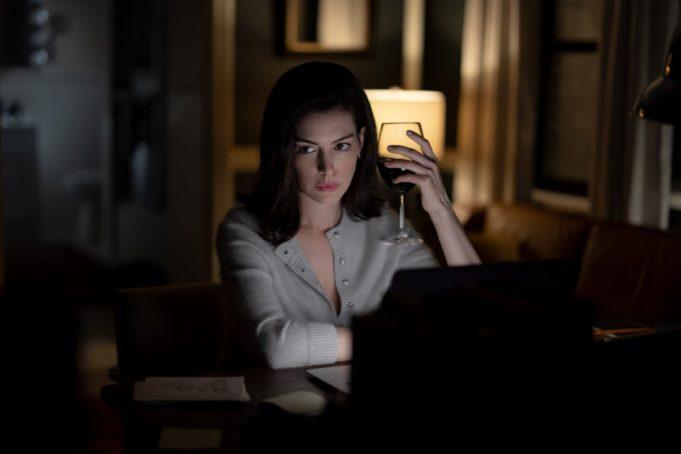
The sound of a laptop humming at midnight resonates in many homes throughout the city. It represents the effort behind writing screenplays, mixing tracks, or submitting loan applications. As we look ahead, it is essential to foster an environment that rewards this effort rather than burdens it. We desire vibrant murals and lively music, but, more critically, we want to ensure that the creators behind them can thrive.
The dream of creativity remains vibrant in Fort Worth, palpable in the air. However, we must confront the realities that sustain this dream. It is not solely about talent or ambition; it is also about the ability to navigate a world that demands everything while offering few assurances.
Are we doing enough to ensure that artists can remain in our city? A city devoid of its artists is merely a collection of buildings, devoid of the soul that gives it life.