








The Role of Forts in Texas History
The vast landscapes of Texas, from arid deserts to lush prairies, have long been the backdrop for pivotal events that shaped the state and nation. At the heart of these events are forts—structures that not only served as military outposts but also as cultural intersections and focal points of community life. The story of Texas forts is a rich tapestry woven with threads of conflict, expansion, and resilience.
As early as the Spanish colonial period, military presence was crucial for the protection of settlers and the assertion of territorial claims. Across the plains and hills, forts evolved into symbols of strength and security. They became heritage sites, representing an era of exploration and settlement that would ultimately lead to the establishment of Texas as an independent republic before achieving statehood in the United States. This article delves into the significant role of forts in Texas history, exploring their evolution, key battles, and lasting influence.
The Earliest Forts: Spanish Foundations
The earliest military installations in Texas can be traced back to Spanish colonial efforts in the 17th and 18th centuries. Spain’s expansion into North America necessitated the establishment of defensive structures to protect its interests from rival European powers and native tribes. Among these early forts, the most notable is San Antonio de Bexar, originally founded in 1718 as a military outpost.
San Antonio’s fortifications served multiple purposes: they provided a base for Spanish missions aimed at converting Indigenous populations to Christianity, and they offered security against incursions. The interplay between military and religious goals defined the nature of these early forts. They were built with heavy stone walls and strategically located near waterways, facilitating access to resources and defense against potential attacks.
Another significant fort from this era is La Bahía (Goliad), established in 1721. It played a crucial role during the Texas Revolution in the 1830s. As tensions escalated and the quest for independence grew among Texians, La Bahía became a focal point in the struggle against Mexican rule. The fort’s capture was emblematic of the conflict’s complexity, as it intertwined local aspirations for autonomy with broader political dynamics.
Conflict and Transformation
The early 19th century saw a dramatic shift in Texas’s geopolitical landscape, marked by the arrival of Anglo-American settlers. The influx of settlers, motivated by land grants, economic opportunities, and a desire for independence, heightened tensions with the Mexican government. As a result, existing forts evolved to meet new challenges. The Mexican-American War of 1846-1848 further influenced the role of forts, as they became essential for safeguarding American interests in contested territories.
During this period, fortifications expanded significantly. The establishment of Fort Worth and Fort Davis reflected a military strategy aimed at protecting settlers from indigenous tribes and other threats. Fort Worth, named after General William J. Worth, became a logistical hub vital for military operations during the war. Its strategic location allowed for the supply and movement of troops, shaping the region’s development.
Fort Davis, on the other hand, is noteworthy for its role in securing communication routes through the Trans-Pecos region. Its construction featured adobe and stone structures, enabling soldiers to withstand the harsh conditions of West Texas. Fort Davis became the first fortified location in the area, illustrating the changing nature of warfare and the military’s adaptation to challenges posed by both nature and rival factions.
The Texas Revolution: A Battle for Independence
The Texas Revolution (1835-1836) epitomizes the significance of forts in shaping Texas identity. The conflict, rooted in the desire for independence from Mexico, saw key battles take place near and within fortifications. The Siege of Bexar demonstrated how forts became sites of sustained military engagement and community mobilization.
During the Siege of Bexar, Texian forces surrounded the Mexican garrison at the Alamo, one of the most iconic forts in Texas history. The fort’s capture became a notable victory for the Texians and stirred fervor for independence across the region. Although the Alamo later fell in a brutal battle in March 1836, its legacy was cemented in the collective memory of Texans as a symbol of heroism and sacrifice.
The Battle of Goliad also underscored the role of forts in this revolutionary period. Following the capture of La Bahía, Texian forces faced a grueling demand for military strategy and community support. The execution of Texian prisoners after the battle left a lasting impact, leading to a rallying cry among Texians: “Remember Goliad!” This phrase encapsulated the deep emotional ties Texans formed around the fort’s history, fostering unity and resolve in the fight for independence.
Aftermath and Reflection
As Texas achieved independence in 1836 and later joined the Union in 1845, forts continued to play an essential role. Many were repurposed for new military challenges that emerged during this period, including skirmishes with Native American tribes and the demands of the Civil War. Forts such as Fort Stockton and Fort Bliss served as vital checkpoints and supply centers for armed forces, growing to accommodate larger troop deployments and reflecting the state’s shifting demographics and needs.
The legacy of Texas forts wasn’t solely military; they became sites of cultural exchange and social interaction. The interaction of settlers, soldiers, and Indigenous peoples around these structures has shaped the narrative of Texas, creating a rich tapestry of stories and histories. The traditions surrounding fort life have given rise to festivals, reenactments, and educational initiatives aimed at preserving this unique history for future generations.
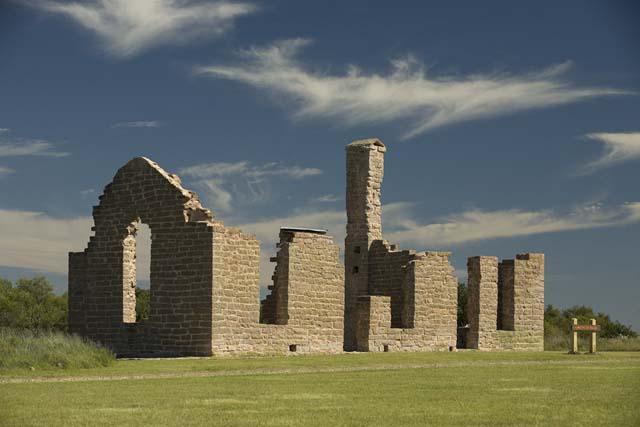
Today, many of these historic forts are preserved as national parks and museums, allowing visitors to engage with Texas’s tumultuous past. They serve not only as reminders of military history but also as spaces for reflection on broader themes of conflict, cooperation, and cultural identity.
Modern Relevance of Forts in Texas
In modern Texas, the historical forts have adopted new roles that extend beyond their original military functions. They have evolved into venues for education, tourism, and cultural programming. Initiatives to promote awareness about fort histories provide opportunities for the public to connect with the past and understand the complexities of Texas’s historical narrative.
Tours at sites like the Alamo and Fort Davis feature interpretative programs designed to engage visitors. They are filled with stories of both heroism and hardship, illustrating the interplay of various cultures that have influenced Texas. These sites often host events that commemorate key historical dates, fostering a sense of community and pride as Texans reflect on their heritage.
Education programs in schools often incorporate Texas history lessons that focus on these forts, emphasizing their significance in shaping state identity and fostering discussions about cultural diversity and historical legacies. The forts stand not just as structures of the past but as tools for promoting dialogue about the multifaceted aspects of Texas history.
Tourism and Economic Impact
The preservation of forts has also brought significant economic benefits to the regions that host them. Historic sites attract tourists, drawing them not only for their recreational value but also for their educational significance. Local economies thrive as visitors flock to these sites, engaging with guided tours, historical reenactments, and themed festivals.
Communities situated near these forts have embraced their historical significance, developing strategies to integrate tourism into their local economies. Restaurants, hotels, and shops cater to visitors eager to explore Texas’s rich military heritage. Many towns host annual events that celebrate their connections to fort history, enhancing community engagement and bolstering local pride.
The economic implications extend further when considering federal and state investments in preservation efforts. Grants and funding for historical sites often result in improved infrastructure that benefits both residents and tourists alike. As a result, the role of Texas forts continues to evolve as they adapt to contemporary demands while preserving their storied past.
Legacy and Future of Forts in Texas
The legacy of Texas forts remains significant in understanding the state’s historical landscape. As symbols of resilience, community, and cultural interchange, they have shaped not only military strategy but also the broader narrative of Texas history. The forts represent moments of conflict, transformation, and convergence that contributed to the state’s unique identity.
As Texas continues to grow and change, the preservation and promotion of fort histories will be crucial in shaping future generations’ understanding of their heritage. Initiatives focusing on educational outreach, cultural programming, and community involvement are essential to ensuring that the stories associated with these forts are not lost to time.
Looking ahead, it will be vital to leverage technology and innovative approaches to engage younger audiences. Virtual reality experiences, interactive exhibits, and multimedia storytelling could breathe new life into the historical narratives of these forts, fostering a deeper connection with Texas’s complex past. The ongoing commitment to preserving and interpreting fort sites will ultimately enrich the cultural tapestry of Texas and ensure the continuation of its remarkable stories.
As Texans gather to reflect on their shared experiences, the forts stand as enduring monuments that remind us of the battles fought, the communities built, and the legacies created. The role of forts in Texas history is not merely a relic of the past; it is an evolving story that will continue to resonate for generations to come.