






As 2025 approaches its conclusion, the state of Texas has witnessed another tumultuous year filled with significant news events.
The year has been marked by various key stories, including a contentious redistricting effort that ignited conflicts between liberal and conservative states, a catastrophic flood in Central Texas that resulted in the loss of over 135 lives, a notable political shift within higher education, and an ongoing water crisis affecting the entire state. Throughout these challenges, persistent reporting has kept the public informed and held those in power accountable.
Among the standout stories of the year is that of Texas megadonor Alex Fairly, who allied with the GOP’s ultraconservative faction after becoming disillusioned with the political landscape. Initially involved in an intense struggle among Texas House Republicans over the selection of a new speaker, Fairly’s entry into the scene highlighted the divisive strategies employed by conservative influencer Tim Dunn. Their extensive discussions about political philosophy and strategy left Fairly astounded by the breadth of Dunn’s political network, leading to an unexpected partnership that could reshape Texas politics.
In a tragic echo of history, the Guadalupe River once again wreaked havoc, mirroring the devastating flood of 1987. This year, the Fourth of July flood resulted in the deaths of 135 individuals, a stark reminder of the community’s vulnerability. Despite previous warnings and the installation of flood gauges, the region remained ill-prepared, revealing a troubling lack of political will and funding for necessary flood prevention measures.
The Texas Legislature’s redistricting efforts also sparked controversy, particularly in Tarrant County, where the newly drawn districts predominantly favor Republican representation, effectively silencing Black and Latino voices. Community leaders lamented the loss of political power just as these groups were beginning to gain influence, expressing deep concern over the implications for democracy.
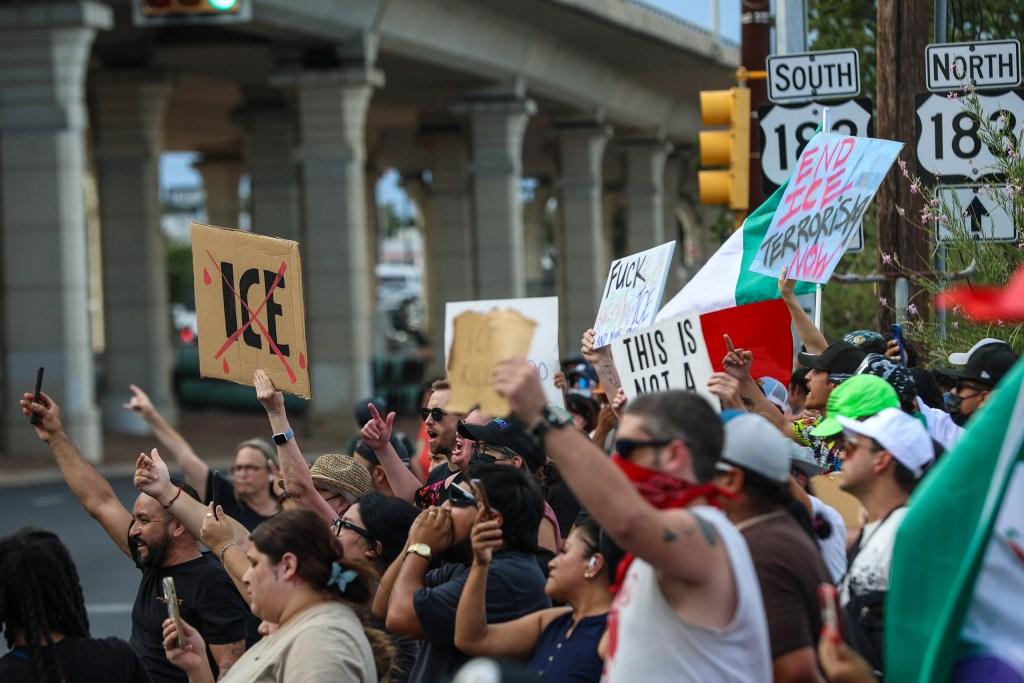
In Houston, a mother, Margarita Avila, faces a heart-wrenching choice between indefinite detention by ICE or deportation, which would separate her from her nine children. Her plight underscores the harsh realities of immigration policies under the previous administration, which aimed to deport millions of undocumented immigrants regardless of their circumstances.
In the realm of education, Mark Welsh, the former president of Texas A&M, was ousted following backlash over a professor’s teaching on gender identity. This incident reflects the growing demand for conservative leadership within educational institutions, as political pressures continue to shape the governance of universities.
Meanwhile, in West Texas, a measles outbreak linked to the local Mennonite community has led to increased skepticism toward vaccinations and government mandates. This outbreak has raised questions about public health and the implications of community beliefs on broader health initiatives.
The devastating floods on July 4 not only claimed lives but also left grieving families to navigate their sorrow and guilt. RJ and Annie Harber, who lost their daughters in the flood, share their harrowing experience and the difficult choices made in the midst of chaos.
In response to a proposed water sale from Lake O’ the Pines to Dallas suburbs, East Texans rallied against the deal, emphasizing the importance of the lake to their community’s identity and economy. The lake has historically provided vital resources and recreational opportunities for local residents.
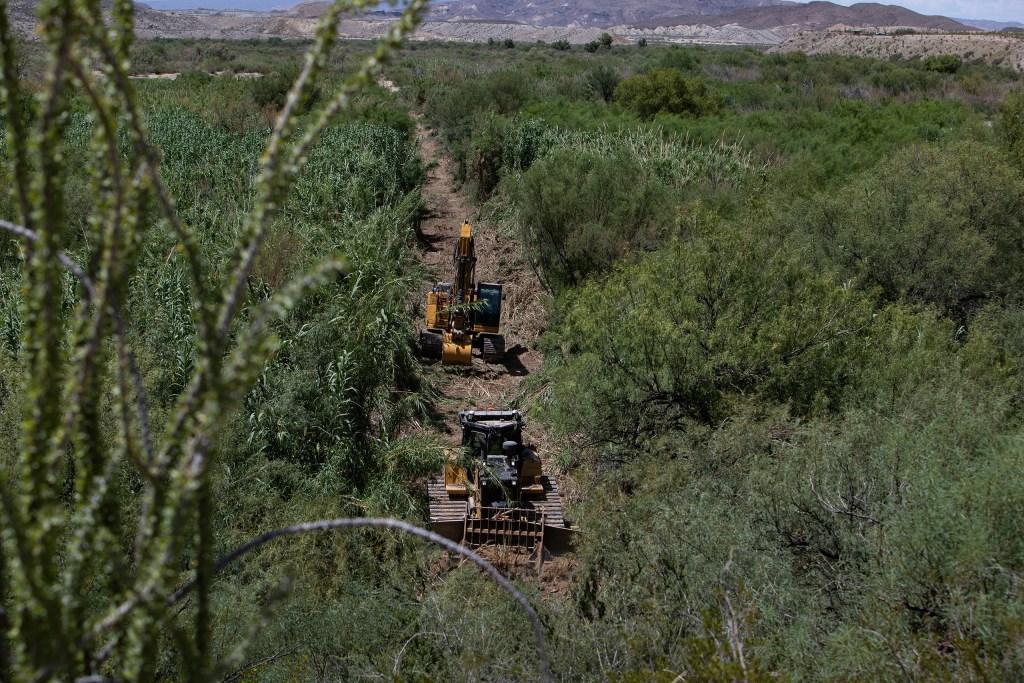
The implementation of Operation Lone Star has dramatically increased the number of migrant deaths in the El Paso sector, raising alarms about the humanitarian consequences of intensified border enforcement.
In Midland, a potential reversal of the name change from Robert E. Lee High School back to Lee High raises significant concerns about community values and the legacy of the Confederacy.
Lastly, the construction of a new hospital in a rural Texas town has resulted in the closure of its labor and delivery unit, highlighting the challenges faced by rural healthcare providers in maintaining essential services amidst financial constraints.
These stories reflect the complex and often contentious landscape of Texas in 2025, where political, social, and environmental issues intersect, shaping the lives of its residents.