








Top Historic Neighborhoods in San Antonio, Texas
San Antonio, Texas, is a city steeped in a rich tapestry of history, culture, and heritage, making it one of the most vibrant places in the United States to explore. Known primarily for its historic missions, bustling River Walk, and multicultural festivities, the city boasts neighborhoods that reflect its unique past and ongoing evolution. Whether you’re a history buff, a culture enthusiast, or just someone looking for a fascinating place to roam, San Antonio’s historic neighborhoods offer a delightful journey through time.
From the cobblestone streets of La Villita to the ornate architecture of King William, San Antonio presents a unique blend of Spanish, Mexican, and Texan influences. Each neighborhood tells its own story, showcasing the diverse communities that have shaped the city over the centuries. Here, we take an in-depth look at some of the top historic neighborhoods that define San Antonio’s character.
La Villita: The Heart of San Antonio’s Arts Scene
La Villita, which translates to “the little village,” is often considered the heart of San Antonio’s cultural arts scene. Located just south of the River Walk, this historic neighborhood was once the original site for San Antonio’s settlers in the early 18th century. Today, it has transformed into a vibrant hub featuring galleries, shops, and restaurants that capitalize on its historic charm.
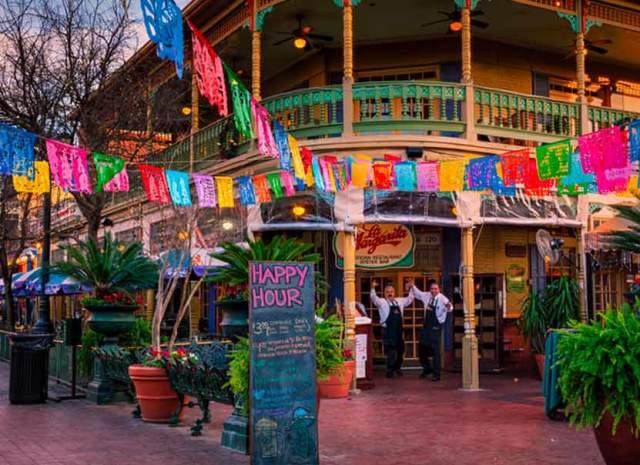
The area retains much of its original architecture, showcased in the colorful adobe buildings that line the streets. As you stroll through La Villita, you’ll encounter artists at work, both in shops and at outdoor fairs, where you can purchase locally crafted goods. This neighborhood is not just about shopping; it’s a place where you can immerse yourself in the arts, making it a must-visit for any culture lover.
Throughout the year, La Villita hosts numerous festivals and events, including annual celebrations like Fiesta, where the rich heritage of San Antonio’s diverse communities is showcased. Visitors can indulge in traditional cuisine, live music, and folkloric performances, thereby enjoying a slice of local life.
The Cultural Significance of La Villita
The cultural significance of La Villita is immense. Once a military encampment, the area has witnessed many historical transformations over the centuries. Today, it serves as a reminder of San Antonio’s roots, emphasizing community and artistic expression. Streets are lined with murals that depict both local history and diverse stories of its inhabitants, acting as an open gallery that enriches the visitor experience.
Furthermore, La Villita plays a pivotal role in preserving the community’s history and fostering new cultural expressions. Local artists often collaborate with organizations to host workshops, thus promoting the importance of art in contemporary society. The neighborhood serves as a bridge between the past and the present, highlighting the evolution of artistic expression in San Antonio.
The King William Historic District: A Glimpse of Victorian Elegance
Just a stone’s throw from the bustling downtown area lies the King William Historic District, a neighborhood renowned for its stunning Victorian and Italianate-style mansions. Established in the late 19th century, this community was once the home of wealthy German immigrants, and remnants of their affluence remain evident in the grand homes that define its landscape.
Walking through the King William district is like stepping back in time. The elegant homes, many of which are listed on the National Register of Historic Places, reflect architectural styles that were popular among affluent families in the late 1800s. Each home boasts intricate details, from wrought-iron gates to ornate woodwork, inviting visitors to ponder the lives of those who once resided there.
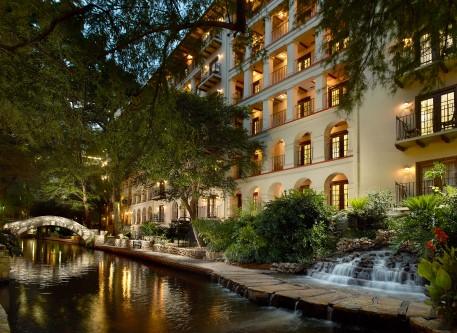
This neighborhood is also punctuated by lush green spaces, and heritage trees provide a scenic backdrop for leisurely strolls or bike rides. Notably, the San Antonio River flows along the edge of the district, offering visitors a picturesque route for exploration.
Community Engagement and Historic Preservation
Residents of the King William Historic District are actively engaged in preserving the neighborhood’s historic integrity. Community organizations work relentlessly to promote historic preservation and ensure that new developments adhere to the aesthetic of the neighborhood. Events are regularly hosted, such as home tours and festivals, which not only raise awareness about the importance of preservation but also strengthen community bonds.
By prioritizing preservation, the community fosters a collective identity that pays homage to its past while looking forward to the future. This sense of unity is essential in the face of rapid urban development, as it ensures that the neighborhood remains a viable cultural and historic enclave within a modern city.
Spanish Governor’s Palace: A Historic Landmark
Situated in the heart of downtown San Antonio, the Spanish Governor’s Palace is another vital piece of the city’s history. Originally built in the 18th century, this stunning adobe structure served as the residence for Spanish governors and represents the architectural style of colonial Mexico. The Palace is often recognized as the most beautiful building from the Spanish Colonial period in Texas.
Visitors can explore the intricately decorated rooms and gardens, which echo the period’s grandeur and cultural significance. The Palace’s history is rich, from serving as a military fortification to acting as a center for trade and diplomacy. Today, it stands as a museum where guests can learn about the Spanish influence on Texas and the intricate narratives that underline the Texas Revolution.
Educational and Recreational Experiences
Beyond its aesthetic appeal, the Spanish Governor’s Palace serves an educational purpose, particularly for those interested in Texas history. Guided tours provide visitors with in-depth knowledge about the site’s significance, and numerous artifacts offer a glimpse into daily life during colonial times. The Palace acts as a hub for school groups and history enthusiasts, fostering a deeper understanding of the region’s complex cultural heritage.
Furthermore, the surrounding area has been developed into a lively locale filled with shops and eateries, perfectly blending education with recreation. Here, one can enjoy a meal or grab a souvenir while being enveloped in the rich history of San Antonio. The Spanish Governor’s Palace emphasizes the need to celebrate and learn from the past, encouraging visitors to contemplate the historical legacies that continue to shape modern San Antonio.
Historical Neighborhoods of the East Side: A Tapestry of Cultures
The historical neighborhoods on the East Side of San Antonio are becoming increasingly popular destinations, offering a diverse cultural tapestry that has evolved over generations. Areas like the historic neighborhoods of Dignowity Hill and the surrounding East Side have deep roots, with stories woven from African American, Mexican, and other immigrant experiences that contributed to its rich heritage.
Dignowity Hill, in particular, boasts a fascinating history. Originally developed in the late 19th century, it was one of the first suburbs of San Antonio. The area features striking Victorian homes and beautifully restored bungalows, showcasing the architectural styles that reflect the neighborhood’s vibrant past. Today, this area is not only populated by long-standing residents but is also attracting younger families and new businesses, revitalizing the community while maintaining its historic character.
A Community Built on Resilience
The East Side of San Antonio is characterized by a strong sense of community resilience. Despite facing economic challenges in the past, these neighborhoods have been instrumental in fostering cultural pride and social cohesion among residents. Various local organizations work tirelessly to promote community development and cultural awareness, ensuring that the rich history is not forgotten.
Furthermore, events such as the East Side Historical Fiesta celebrate the cultural diversity of the neighborhood, featuring local music, art, and cuisine. Such collaborations honor the traditions of those who have called this area home while inviting newcomers to partake in this layered cultural experience. These initiatives reflect a broader trend towards heritage tourism in San Antonio, where history is not only preserved but actively celebrated.
The Legacy of Historic Downtown San Antonio
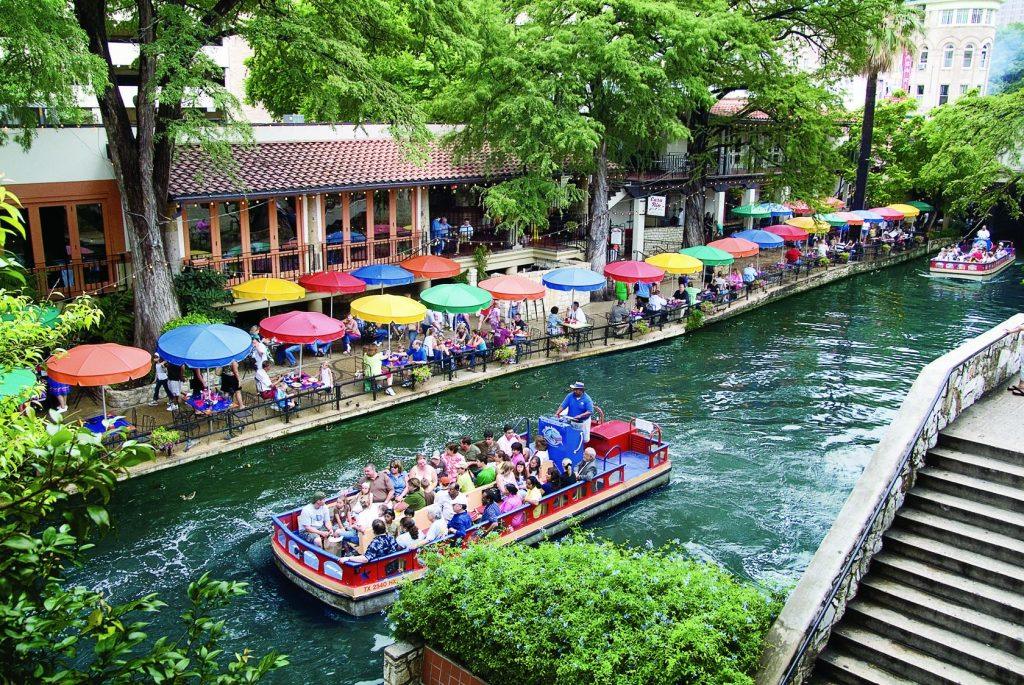
Downtown San Antonio itself is a historic gem that deserves mention as a whole. The area embodies the spirit of historic preservation and urban revitalization, offering a pleasant juxtaposition of centuries-old structures and modern amenities. Central to this revitalization is the famed San Antonio River Walk, where visitors can experience a beautiful waterfront while soaking in centuries of history.
Landmarks such as the Alamo and the San Fernando Cathedral are nestled within downtown, acting as anchors to San Antonio’s past. Together, they tell the story of the battle for independence and the significance of the Catholic faith to the city’s development. These sites draw millions of visitors each year, eager to learn more about San Antonio’s storied past.
Community and Economic Development
The investment in downtown San Antonio goes beyond tourism; it aims to create a dynamic urban environment that respects its history while fostering economic growth. Local initiatives support the development of businesses that honor the area’s historical character, ensuring that new establishments contribute positively to the urban landscape.
This vibrant community pushes for collaborative efforts in business development, with a focus on maintaining the unique architecture and charm that define the downtown area. Through ongoing public-private partnerships, the city can protect its historical integrity while offering modern conveniences that meet contemporary needs. Thus, the legacy of historic downtown San Antonio lives on, paving the path for future generations to appreciate and learn from the past.
San Antonio’s historic neighborhoods are a testament to its rich legacy, where the stories of its past continue to shape the city’s future. Whether you’re visiting lush gardens, charming shops, or grand mansions, the city’s vibrant history is waiting to be explored and cherished. With each neighborhood offering its own unique narrative, the exploration of San Antonio’s historic communities reveals the heart and soul of this remarkable city.