







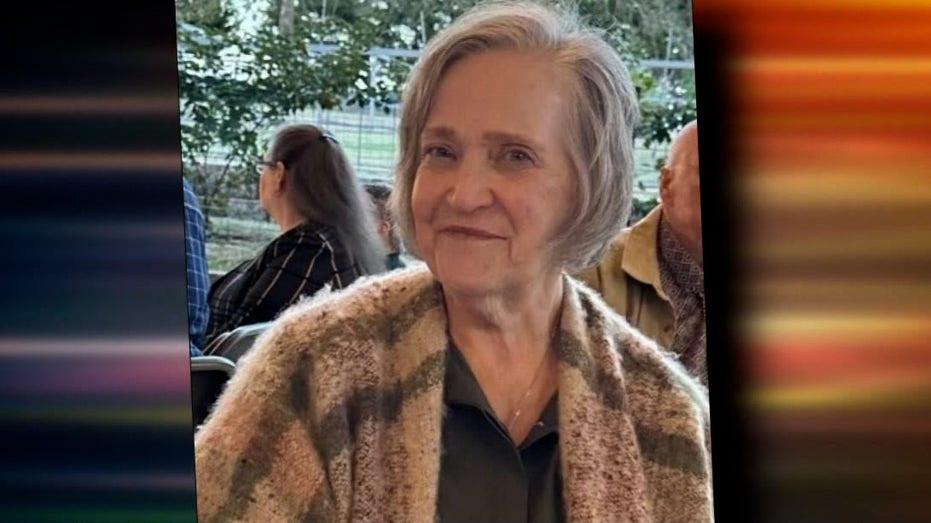
Catherine Martin, a 76-year-old woman, credits Texas Children’s Hospital with saving her life from advanced heart failure. At the age of 75, she sought specialized care at the hospital after relocating from Louisiana following the death of her husband.
Born with a congenital heart defect characterized by a hole in the wall separating her heart’s chambers, Martin had previously undergone open-heart surgery. However, as time passed, the repair began to deteriorate, leading to leaking valves and fluid buildup. By the time she arrived in Houston, she was in advanced heart failure.
Upon her arrival at Texas Children’s Hospital, Martin began a comprehensive cardiac prehabilitation program that prepared her for surgery. Physicians repaired her heart defect, replaced two valves, and implanted a pacemaker. After several weeks of recovery, she has since returned to an active life, feeling revitalized.
For approximately 20 years, Martin endured worsening symptoms that severely limited her mobility. Simple tasks, such as walking down her hallway or checking her mail, became increasingly challenging. After moving to Houston to be closer to her daughter, she was directed to Texas Children’s Hospital. Following monitored rehabilitation, surgeons performed open-heart surgery, and just days later, she was back on her feet. Recently, she celebrated her 76th birthday feeling stronger than she has in years.
Texas Children’s Hospital has been dedicated to pediatric patients for over 70 years. Five years ago, it inaugurated a specialized unit for adults with congenital heart defects, a response to the increasing number of adults who require ongoing care due to improved survival rates in childhood heart patients. Currently, the facility serves around 6,000 adult congenital heart patients annually.
Martin recounted the challenges she faced: “It reached a point where I couldn’t get down the hallway to check my mail. It was hard to get out to the car to do anything. I couldn’t exercise because I couldn’t breathe. It just became a very difficult way of living,” she shared. Initially, she felt uncertain about the referral to the hospital, thinking it might have been a mistake.
Now, with a renewed sense of vitality, Martin exclaims, “I feel awesome. I just feel amazing. I can go anywhere I want to go now.”
Dr. Peter Ermis, Director of the Adult Congenital Heart Disease program at Texas Children’s Hospital, emphasized the importance of awareness regarding their specialized program: “I think it’s still not well known that we have this really large adult congenital heart program and a one-of-a-kind dedicated floor and unit to take care of these patients.”
The rise in adults living with congenital heart defects underscores the necessity for specialized programs tailored to these survivors. With significantly improved survival rates for children diagnosed with congenital heart disease, there is now a greater population of adults managing these conditions.
Patients experiencing symptoms such as shortness of breath, swelling, or fatigue are encouraged to seek care from programs specializing in adult congenital heart disease. A referral from a primary care physician can be a crucial step in accessing the right treatment.
Houston boasts one of the largest adult congenital heart programs in the region, complete with a dedicated inpatient unit designed to meet the needs of patients born with heart defects.
For more information about the Adult Congenital Heart Disease program, resources are available for those interested.