







The Oak Hill Parkway Project has officially reached its completion, a significant development aimed at easing the daily commute for residents and workers in Southwest Austin.
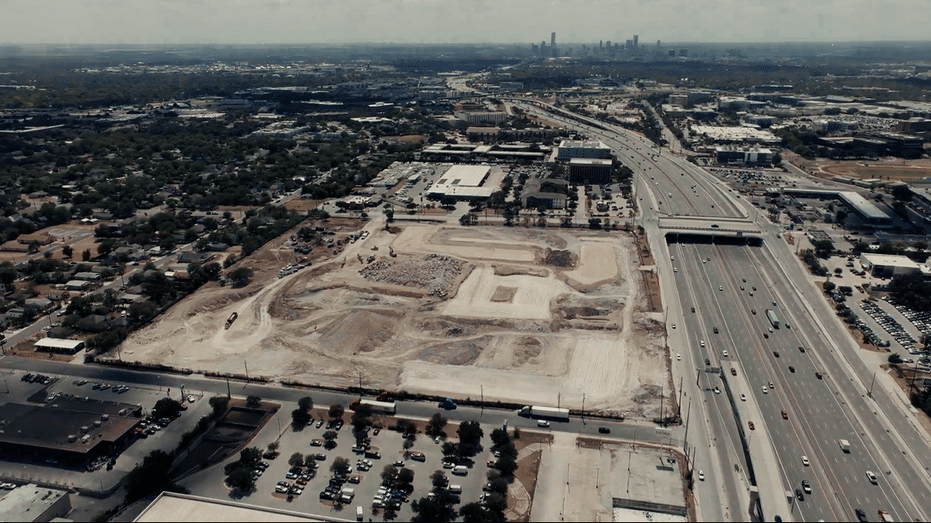
The Texas Department of Transportation (TxDOT) proudly announced the finishing touches on the Oak Hill Parkway, often referred to as the “Y.” This pivotal intersection, where U.S. Highway 290 West converges with State Highway 71 West, has long served as a primary travel corridor for those commuting to and from Austin and nearby areas like Dripping Springs, Bee Cave, and Lakeway.
“The Y intersection was consistently ranked among the most congested areas in the entire state of Texas,” stated Tucker Ferguson, the Austin District Engineer with TxDOT. “But that’s no longer the case.” The completion marks a major milestone in the reconstruction of the Hwy 290/71 interchange, where traffic is now flowing through newly constructed east and west main lanes.
Ferguson expressed pride in the project’s completion, declaring, “I’m proud to say and officially announce today that the Y in Oak Hill is now in the history books of the Austin district.”
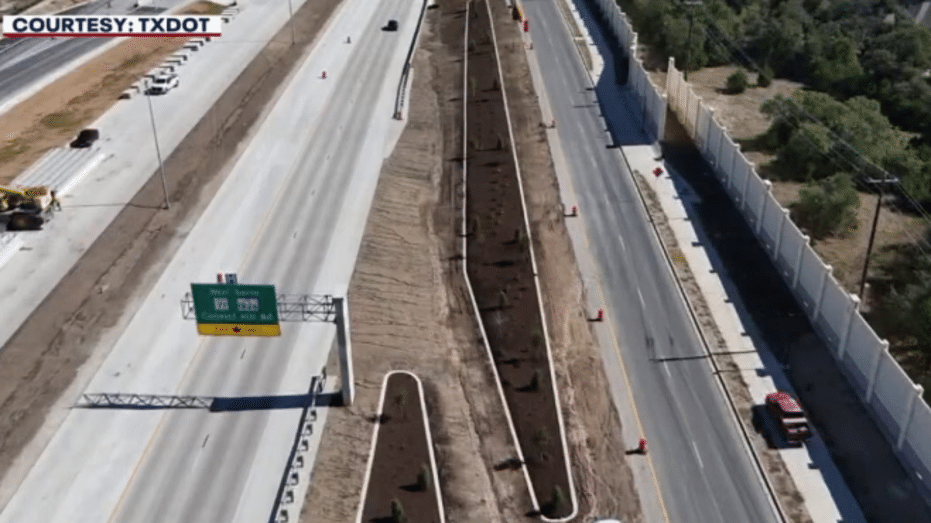
The project entailed extensive roadway enhancements, including the construction of seven miles of new road with two to three main lanes in each direction, as well as 2-3 frontage roads. Additional features include several new cross-street bridges along U.S. 290 and a complete overhaul of the “Y” interchange, which now boasts two new flyover ramps.
For decades, the intersection had been notorious for its heavy congestion and prolonged signal delays. The project, which broke ground in 2021, was the result of extensive negotiations, court challenges, and compromises with environmental advocates.
<p"It's a great day, a day many thought would never arrive, but here we are, and it’s truly fantastic," remarked Marc Williams, TxDOT’s executive director. "This project has been a long time in the making."
The final cost of the Oak Hill Parkway Project was reported at $731 million, reflecting the significant investment in infrastructure aimed at improving traffic flow in one of Texas’s busiest regions.