








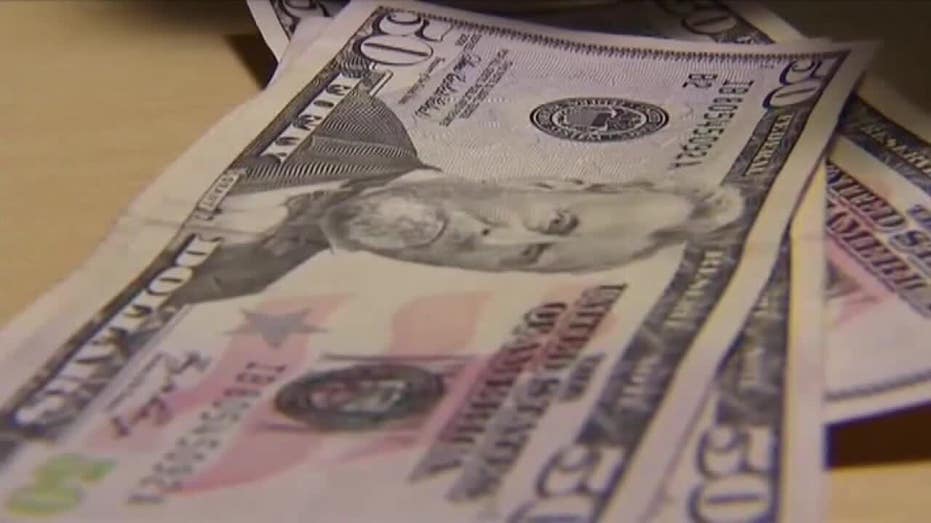
In North Texas, the use of Buy Now, Pay Later (BNPL) programs is on the rise, sparking concern among economists regarding potential increases in debt levels, especially among low-income households. Despite these worries, many residents in the region find these financial options essential for managing their daily expenses.
Recent studies reveal that 46% of Americans utilizing BNPL programs allocate these funds towards grocery purchases. This trend raises red flags for some financial experts, who fear that a surge in BNPL usage could lead to a deeper cycle of debt for vulnerable consumers. Nevertheless, for numerous North Texans, these programs provide crucial support in navigating their everyday lives.
Understanding Buy Now, Pay Later
BNPL services, offered by companies such as Klarna, allow consumers to divide the cost of a purchase into manageable installments. This financial tool has gained traction in recent years, with many Americans turning to it as a means to cope with rising living costs. Notably, over two-thirds of individuals who use BNPL have multiple loans outstanding, underscoring a growing dependency on this payment method.
Expert Opinions
Mike Davis, an economist at Southern Methodist University, emphasizes the precarious situation facing consumers today. He highlights that the overall consumer debt landscape is alarming and suggests that while having access to credit options like BNPL is beneficial, the need for a broadly growing economy is crucial.
Local Insights
Despite potential financial pitfalls, individuals like Tallie Cooper, a barber in Dallas, share positive experiences with BNPL programs. Cooper acknowledges that these services have been instrumental in managing his finances, particularly amid rising grocery and gas prices. He notes that during challenging times, such as the COVID-19 pandemic, BNPL enabled him to focus on his business without the immediate burden of upfront costs.
For Cooper, the flexibility provided by BNPL allows him to navigate both his personal and professional obligations effectively. “For a small business entrepreneur, always in traffic, in stores in and out, it was a great option for me because I don’t always have the funds available,” he explains.