









Texas Food Culture: A Smorgasbord of Flavors
Texas food culture is as diverse and vibrant as the state’s vast landscape. From its rolling hills and prairies to its thriving urban centers, the Lone Star State boasts a culinary scene that marries tradition with innovation. Renowned for its barbecue, Tex-Mex cuisine, and a burgeoning farm-to-table movement, Texas offers a rich tapestry of flavors influenced by its multicultural heritage.
As food enthusiasts explore the state, they encounter a unique blend of indigenous ingredients, Mexican influences, and Southern cooking practices that create dishes unlike any other. This article delves into the heart of Texas cuisine, exploring its best-known elements, such as barbecue and Tex-Mex, and highlighting emerging trends that reflect the state’s ever-evolving food culture.
The Legacy of Texas Barbecue
Barbecue in Texas transcends mere dining; it is a cultural ritual and a point of pride for many Texans. The state is home to a range of barbecue styles, each with its own techniques, flavors, and cuts of meat. At the heart of Texas barbecue is the tradition of slow-smoking meat, primarily brisket, pork ribs, and sausage, over post oak or pecan wood, giving it a distinctive smoky flavor that has become synonymous with Texas’s culinary identity.
Central Texas barbecue is perhaps the most famous region, known for its “meat markets” and no-frills approach where quality reigns supreme. Places like Franklin Barbecue in Austin have gained national acclaim due to their mouthwatering brisket, characterized by its perfectly rendered fat and deep, rich flavor. The brisket is typically seasoned with just salt and pepper, allowing the quality of the meat and the smoking technique to shine through.
Another notable style is East Texas barbecue, which usually features a sweeter sauce and cooks meats until they reach a tender, fall-off-the-bone consistency. Traditional side dishes accompany the main act, such as coleslaw, potato salad, and, inevitably, slices of thick, white bread for mopping up sauces. The communal aspect of barbecue—often enjoyed at family gatherings or community events—further solidifies its status in Texas culture, as it serves as a gathering point for friends and family.
Barbecue Competitions and Festivals
The enthusiasm for barbecue has led to a thriving competitive scene, where pitmasters showcase their skills in various competitions held across the state. Events such as the Houston Barbecue Festival and the Texas Monthly Barbecue Fest not only celebrate the art of barbecue but also foster a sense of community among enthusiasts and professionals alike. These gatherings allow pitmasters to share techniques, showcase their sauces, and garner recognition in an increasingly competitive field.
Furthermore, the rise of craft breweries and distilleries in Texas has introduced exciting pairings for barbecue. Local brews, especially those with hoppy or smoky notes, complement the rich flavors of smoked meats beautifully. Many establishments have begun offering curated dinner events that bring together the best of Texas barbecue and local craft spirits, cementing its place in the state’s culinary landscape.
Tex-Mex: A Flavorful Fusion
Tex-Mex cuisine is another fundamental pillar of Texas food culture that celebrates the state’s rich Mexican heritage. More than just a blend of Texan and Mexican cuisines, Tex-Mex has evolved into a distinct culinary tradition characterized by its unique flavor profiles and ingredient combinations. The regional focus on heartiness and bold flavors makes Tex-Mex a favorite among locals and visitors alike.
At the heart of Tex-Mex cooking is the use of ingredients like cheese, beans, tortillas, and a variety of spices, which lend depth and complexity to the dishes. Iconic items such asquesadillas, enchiladas, fajitas, and nachos have their roots in traditional Mexican cooking but take on a distinctly Texan flair in their preparation and presentation. For instance, the famous Tex-Mex breakfast includes hearty options such as breakfast burritos filled with eggs, potatoes, and cheese, often accompanied by salsa.
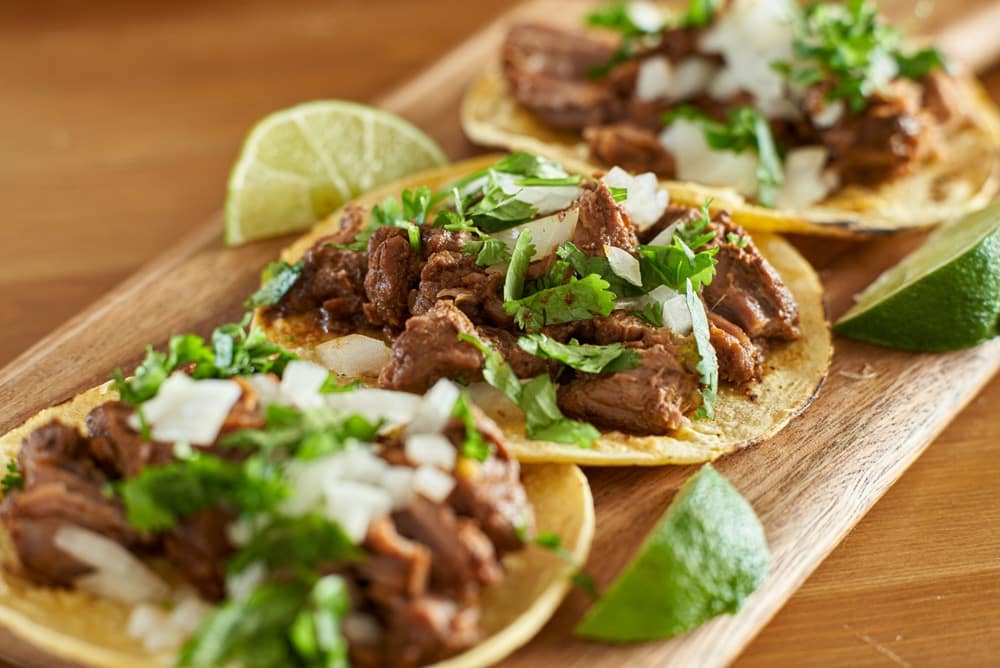
The rise of chain restaurants has brought Tex-Mex cuisine into homes across the nation. However, the true heart of Tex-Mex can be found in family-owned restaurants and food trucks. Places like San Antonio’s Mi Tierra Café y Panadería are renowned for their vibrant atmosphere and authentic dishes, offering everything from tacos and tamales to colorful pastries. At these establishments, guests experience the rich culinary history and hospitality that Texas is known for.
Innovations in Tex-Mex Cuisine
Contemporary chefs are now reinventing Tex-Mex with a focus on fresh, locally sourced ingredients and innovative techniques. As the farm-to-table movement gains momentum, more restaurants are showcasing seasonal produce and ethically sourced meats in their dishes. This shift leads to an emphasis on flavor while honoring the traditional roots of Tex-Mex.
Furthermore, the influence of health-conscious eating is reflected in lighter interpretations of classic Tex-Mex dishes. For example, grilled fish tacos with mango salsa and avocado have become increasingly popular, as restaurants adapt to the evolving tastes of diners. This innovation continues to maintain the cultural significance of Tex-Mex while ensuring it remains relevant in today’s food landscape.
Emerging Trends and the Future of Texas Cuisine
As Texas food culture continues to evolve, innovative chefs and culinary entrepreneurs are making significant strides. One of the driving forces behind this evolution is the increasing awareness of sustainability and health. More restaurants are prioritizing local farms, organic ingredients, and sustainable practices in their operations, moving away from mass-produced foods and striving to create a more responsible food system.
Additionally, the culinary scene in cities like Austin, Houston, and Dallas has seen a surge of food trucks and pop-up restaurants, allowing budding chefs to experiment with different cuisines and concepts without the constraints of traditional dining establishments. These mobile kitchens serve everything from gourmet tacos and artisanal ice creams to vegan BBQ and fusion dishes. This trend not only highlights creativity but also fosters a sense of community, as patrons often gather around food trucks, enjoying meals together in casual outdoor settings.
The Rise of Collaborative Dining Experiences
Collaborative dining experiences have also gained traction, where chefs from different backgrounds and culinary traditions come together to create unique menus. These events celebrate diversity in cuisine, allowing diners to experience a rich melting pot of flavors in a single sitting. Such initiatives not only enhance the dining experience but also promote cultural exchange and appreciation among diverse communities in Texas.
Furthermore, social media plays a crucial role in promoting these culinary innovations. Platforms like Instagram and TikTok have made it easier for chefs to showcase their dishes and share their stories, capturing the attention of food lovers both locally and globally. Diners are now more informed about their food choices and are eager to support establishments that align with their values regarding sustainability, diversity, and authenticity.
Preserving Texas Food Heritage
While the Texas food scene is undoubtedly expanding and evolving, the preservation of its culinary heritage remains vital. Efforts to educate younger generations about traditional cooking techniques and local ingredients ensure that these rich culinary traditions continue to thrive. Organizations and initiatives that focus on teaching cooking classes, hosting food festivals, and preserving family recipes are instrumental in strengthening community ties and fostering pride in Texas’s culinary heritage.
Moreover, a resurgence of interest in traditional agriculture and local food is leading to the promotion of endangered ingredients unique to Texas, such as wild game or heirloom varieties of fruits and vegetables. As chefs incorporate these elements into their menus, they tell a story of place and history that resonates with diners seeking authenticity and connection through their meals.
Local Farmers and Artisans: Backbone of Texas Cuisine
The connection between chefs and local farmers is essential for the sustenance of Texas’s food culture. Many upscale restaurants now proudly feature partnerships with local farmers and artisan producers, ensuring that the ingredients used in their kitchens reflect the state’s regional flavors. This mutual support bolsters the local economy and promotes healthier, fresher, and more sustainable food options.
In addition to supporting local agriculture, chefs are increasingly recognizing the importance of relationships with artisanal producers. From craft breweries to small-batch chocolate makers, these partnerships enrich the culinary landscape. By incorporating these unique products into their menus, chefs are not only providing customers with exceptional dining experiences but also contributing to a growing movement of conscientious consumption.
Texas: A Culinary Journey That Never Ends
The dynamic and ever-evolving food culture of Texas illustrates the state’s rich history and diverse influences. From the iconic barbecue and Tex-Mex fare to emerging culinary trends and a focus on sustainability, Texas cuisine is as compelling as its landscape. The future of Texas food will undoubtedly be an exciting journey, with chefs and food lovers continually redefining what it means to enjoy a meal in this vast, eclectic state.
As diners embrace innovation while honoring tradition, the flavors of Texas will continue to be celebrated far beyond state borders. Whether through the smoky aroma of slow-cooked barbecue or the comforting familiarity of cheesy enchiladas, Texas food culture remains a testament to the vibrant spirit of its people, communities, and culinary landscape.