









A Texas judge has denied custody to an Alaskan surrogate in her pursuit of guardianship over a medically fragile infant she delivered in Dallas. This ruling has prompted the surrogate, McKenna West, to seek intervention from the U.S. Supreme Court following an unfavorable decision from Texas courts.
In a filing submitted on Wednesday, West’s attorneys argued for a stay to maintain the current situation, emphasizing the necessity for West to advocate for her rights and remain informed about the infant, referred to as Baby G., during this critical juncture in his life.
The case gained significant attention after West traveled to Texas, a state with strict abortion laws, in hopes of securing sole conservatorship of the child. West contended that she wished to make medical decisions on behalf of the baby, opposing the wishes of the biological parents, Omar Ahmed and Nausheen Gilkar, who reside in California. West accused the couple of pressuring her to terminate the pregnancy due to the child’s diagnosis of a serious heart condition.
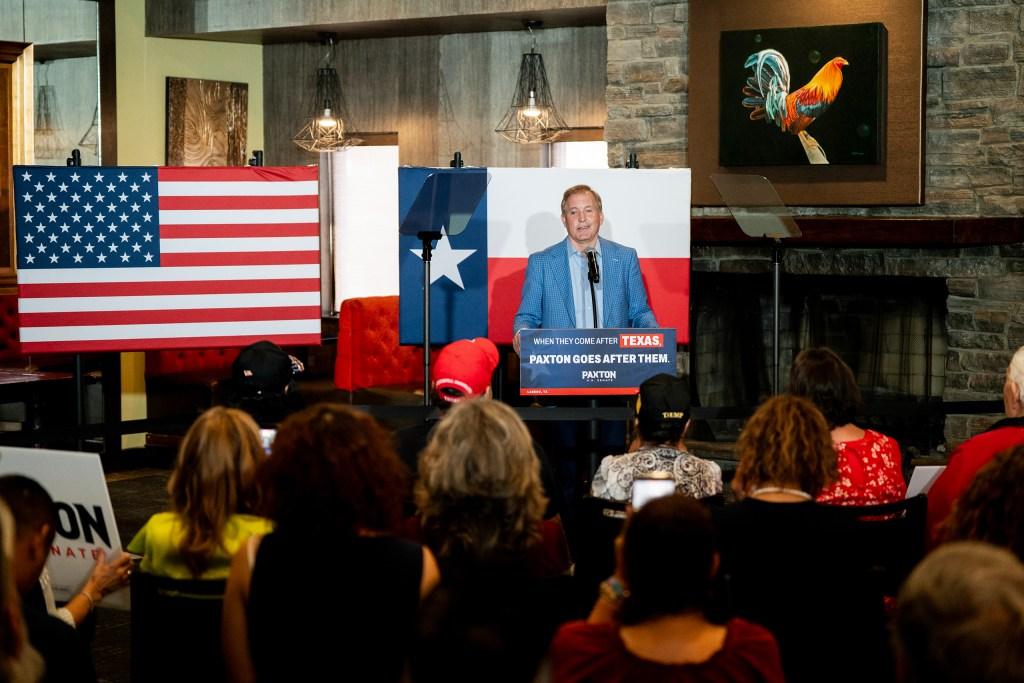
Texas Attorney General Ken Paxton intervened in the case, leading to a ruling by District Judge Ashley Wysocki, a recent appointee of Governor Greg Abbott. The judge ordered that two Dallas hospitals provide necessary medical care for the infant and mandated that he remain in Texas until a conclusive decision regarding West’s conservatorship could be reached.
After West gave birth on August 12, Ahmed and Gilkar secured a restraining order against her, preventing any contact with the child, whom they named Rumi. During a court hearing in Dallas, the couple acknowledged having considered abortion after learning of the child’s heart condition but ultimately decided to continue with the pregnancy.
The couple stated that tensions escalated with West when they attempted to arrange for her to visit California to collaborate with medical experts on a care plan for Rumi.
Details surrounding Wysocki’s recent ruling remain confidential as the entirety of the case has been sealed, according to information provided by the court clerk. No immediate responses were received from either West’s legal team or the attorneys representing the biological parents.
West’s appeal indicates that on September 2, the Dallas court rejected her request for sole conservatorship, dismissing her as a party in the case, likely in deference to a California court ruling that upheld Ahmed and Gilkar’s parental rights.
West’s filing expressed concerns about the potential for irreparable harm due to the enforcement of the California judgment, asserting that Baby G. requires several life-saving surgeries to address his medical condition. While one surgery has been conducted, the parents have stated through their attorneys that they will not disclose further details regarding the child’s health.
Furthermore, West revealed in her filing that the couple has initiated a lawsuit against her for damages exceeding $100,000. Alarmingly, she noted the possibility of Rumi being transferred to California for hospice care despite having a treatable condition, with such a transfer potentially occurring as soon as September 17.
Gilkar, Rumi’s mother, shared in court that the couple turned to surrogacy following eight unsuccessful in vitro fertilization attempts and a hysterectomy. She described Rumi as “the love of our lives,” highlighting the struggles he has faced since birth.
This unregulated surrogacy case has attracted the attention of Texas lawmakers, who may seek to impose restrictions on surrogacy practices during the upcoming legislative session.