








In Fort Worth, Mayor Mattie Parker, a lifelong Republican, represents a significant voter demographic that could influence the outcome of the upcoming midterm elections in Texas’ largest GOP county. As the election approaches, Parker has revealed her intention to cast her ballot for two Democratic candidates for statewide office, although she will support far-right conservative Tim O’Hare for Tarrant County judge, a position he currently holds.
Parker believes many voters share her inclination to split their tickets. “I think there are a lot of people that feel that way,” she stated in an interview with local media.
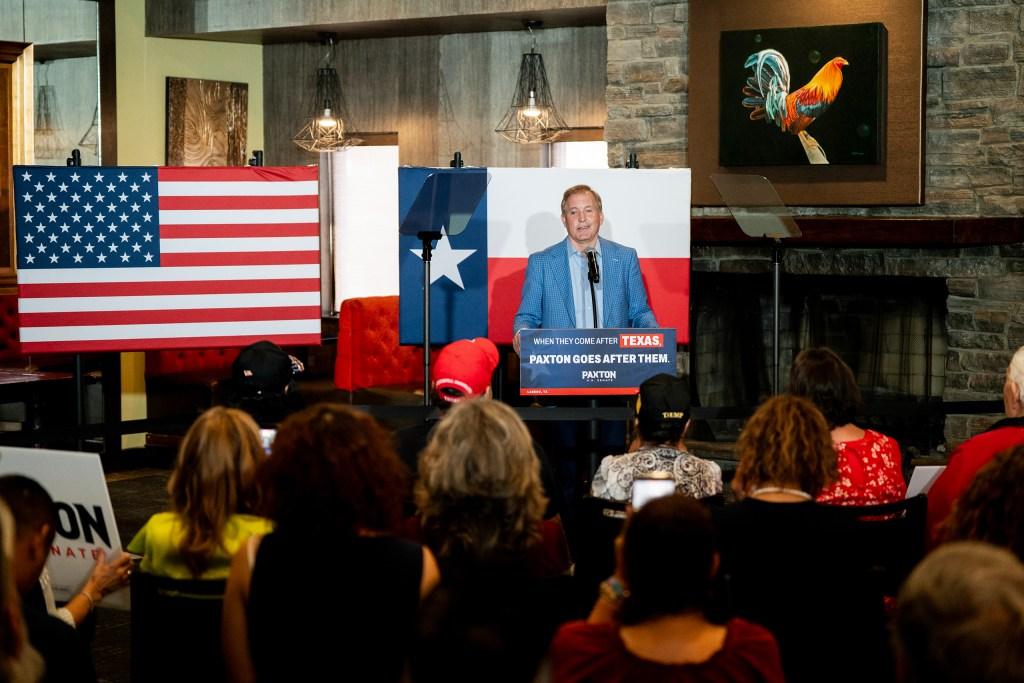
This trend is particularly crucial as both political parties aim to engage moderate Republicans like Parker—voters who traditionally align with the GOP but are willing to cross party lines for specific candidates. Democrats see an opportunity to attract these voters, especially those disenchanted with figures like Ken Paxton, who faces allegations of corruption, and Bo French, the Railroad Commission candidate whose past social media posts have sparked controversy.
For Republicans, the focus is on minimizing defections among moderates who may lack enthusiasm for some candidates but are skeptical of the Democratic alternatives. Tarrant County is viewed as a pivotal battleground, with many moderate Republican voters who could sway the election.
Mark Jones, a political scientist at Rice University, noted, “There is a significant proportion of Republican voters in Tarrant County who are dyed-in-the-wool moderates and who have been more willing to cross over and vote for Democrats when they believe that the Republican candidate is too far to the right.”
Historically, Tarrant County was a Republican stronghold, but it has shifted to a more competitive landscape during the Trump presidency, becoming a key focus for both parties in this election, which could alter the GOP’s longstanding dominance in Texas politics.
Republicans currently hold a slim majority on the county commissioners court, which they have bolstered through strategic redistricting. Financial resources also play a significant role, with GOP candidates in the region having raised significantly more funds than their Democratic counterparts since July, which aids their campaign efforts.
While Democrats have occasionally won top tickets in Tarrant County, these victories have not extended to local or statewide races. Nonetheless, party leaders believe the current climate is favorable for their candidates.
Allison Campolo, chair of the Tarrant County Democratic Party, expressed confidence in their ground game. “Despite all these bad maps, our voters are so motivated that they can outvote those voter suppression systems,” she said, indicating a belief that this election could foreshadow Democratic strength in future contests.
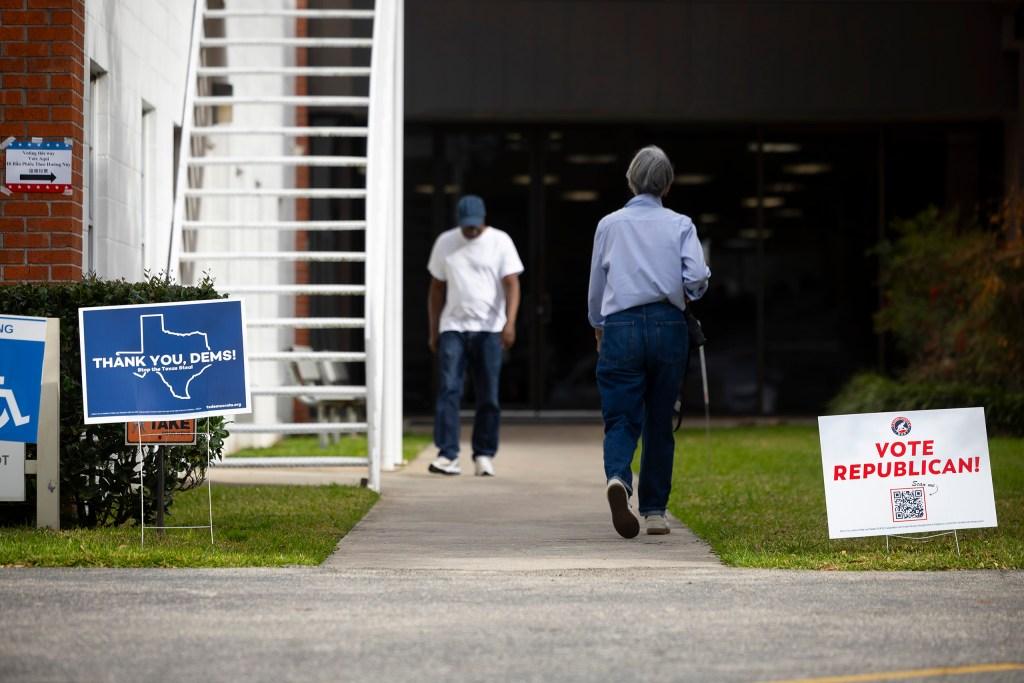
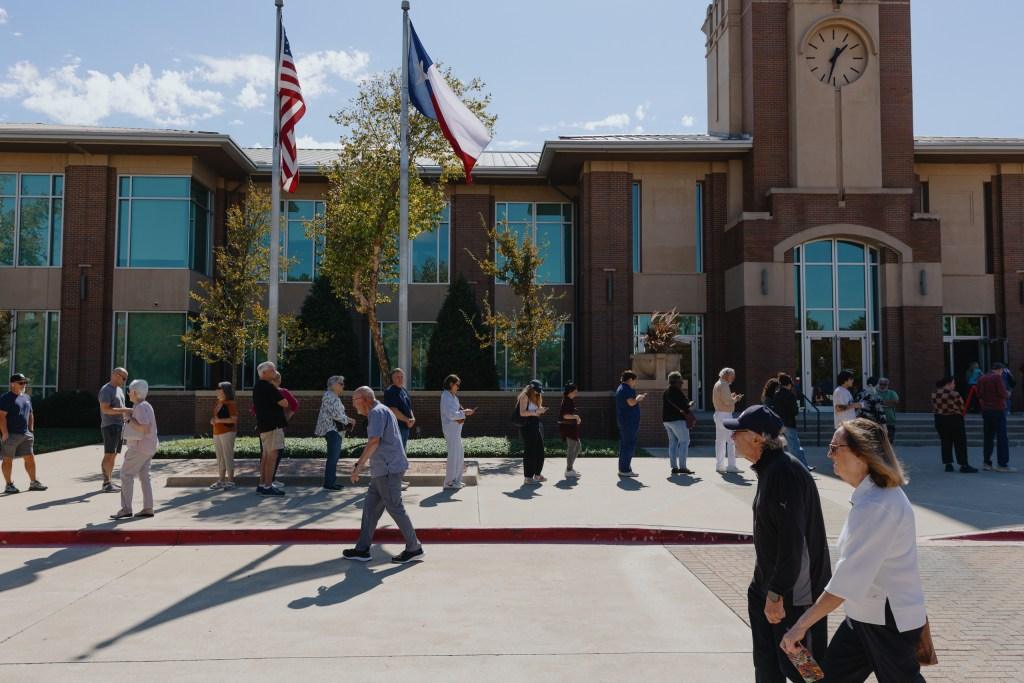
Polling suggests that President Trump’s approval ratings have dipped in Texas, creating a ripe opportunity for Democrats. During the early voting period in Tarrant County, turnout among likely Democratic voters has outpaced that of Republicans. This is particularly relevant given the recent redistricting efforts that have reduced polling locations and may have further fueled voter frustration.
In a notable special election earlier this year, Democrats successfully flipped a state Senate seat in a district that had previously favored Trump, setting the stage for a rematch in the upcoming election.
Many voters, including those traditionally aligned with the GOP, cite a desire for change as a primary motivator for their support of Democratic candidates. Bryan Brazelton, a lifelong Republican, expressed that he is voting Democratic due to dissatisfaction with current Republican leadership. “Honestly, I just think we’re ready for a change,” he remarked.
Concerns over rising living costs are also prompting voters to take action. First-time voter Patrick Bennett attributed his decision to vote to the high cost of living and a longing for a political shift. “Sometimes you’ve just got to clean house, and that’s what we’re doing,” he said.
Despite the challenges, Tarrant Republicans maintain confidence in their prospects. Tim Davis, chair of the Tarrant County GOP, asserted, “I think our folks are going to win in Tarrant County, and we will always be a right-of-center county.”
Republican voters are motivated by a desire to preserve conservative leadership in Texas, which they view as essential to maintaining a balanced national political landscape. Losing Tarrant County would be seen as a significant setback for the GOP, with some strategists noting its critical role in Texas politics.
However, if moderate Republican voters do not turn out in significant numbers, the prospects for GOP candidates could diminish dramatically. A crucial factor will be the engagement of business-oriented Republicans who prioritize economic issues over cultural conflicts, as they grapple with the more extreme elements within the party.
Even with the potential for ticket-splitting among Republican voters, the stakes remain high in the contentious races, including the U.S. Senate contest between Paxton and Democrat James Talarico. Some Republican voters who previously supported more centrist candidates are now reconsidering their choices.
Parker’s decision to endorse O’Hare, despite his previous contentious primary victory over her mentor, reflects the complexities of voter loyalty in this election. She commended O’Hare for his robust support of law enforcement, which she considers a priority for Tarrant County voters.
In contrast, she opted for Democrat Jon Rosenthal over French for the railroad commissioner position, citing concerns over French’s controversial statements. Additionally, she endorsed state Senator Nathan Johnson, a Democrat, over Republican Mayes Middleton for the attorney general position, highlighting her preference for candidates with whom she has had positive experiences.
However, Parker has yet to publicly endorse either candidate in the high-profile U.S. Senate race, expressing frustration with both Paxton and Talarico.
Political analysts predict that many Republican voters will ultimately support Paxton, despite their reservations, due to a lack of viable alternatives. “There is a significant silent segment of the Republican electorate that I think is going to hold their nose and vote for Paxton at the end of the day because the alternative is so much worse,” noted GOP strategist Ross Hunt.
Tarrant County’s unpredictable political landscape has made forecasting election outcomes challenging. The county has shown a pattern of oscillation between party choices in recent years, often favoring different candidates in successive elections.
The demographic shifts within Tarrant County, driven by rapid population growth and increasing diversity, add further complexity to the electoral picture. New residents, particularly from Latino, Black, and Asian backgrounds, are anticipated to influence the political dynamics in favor of Democrats.
Democrats are hopeful that these changes will translate into increased support during the upcoming elections, driven by concerns over economic issues and reactions to the previous administration’s policies.
As Election Day approaches, Democrats remain cautiously optimistic, aware of the unpredictability that has characterized Tarrant County politics in recent cycles. Many voters express a desire for change while navigating the complexities of party loyalty.