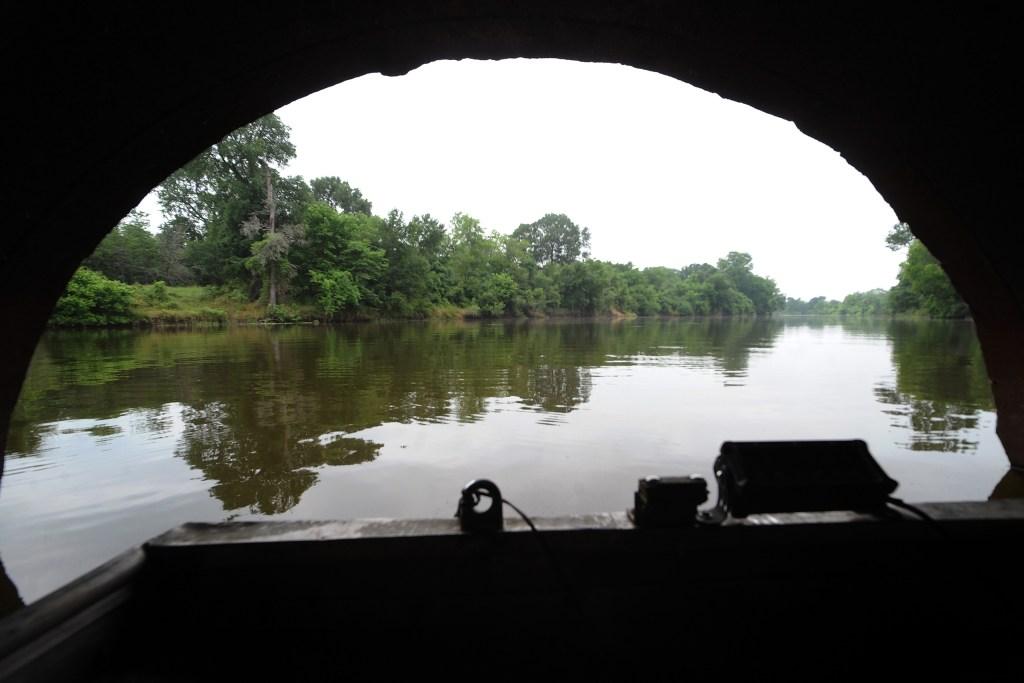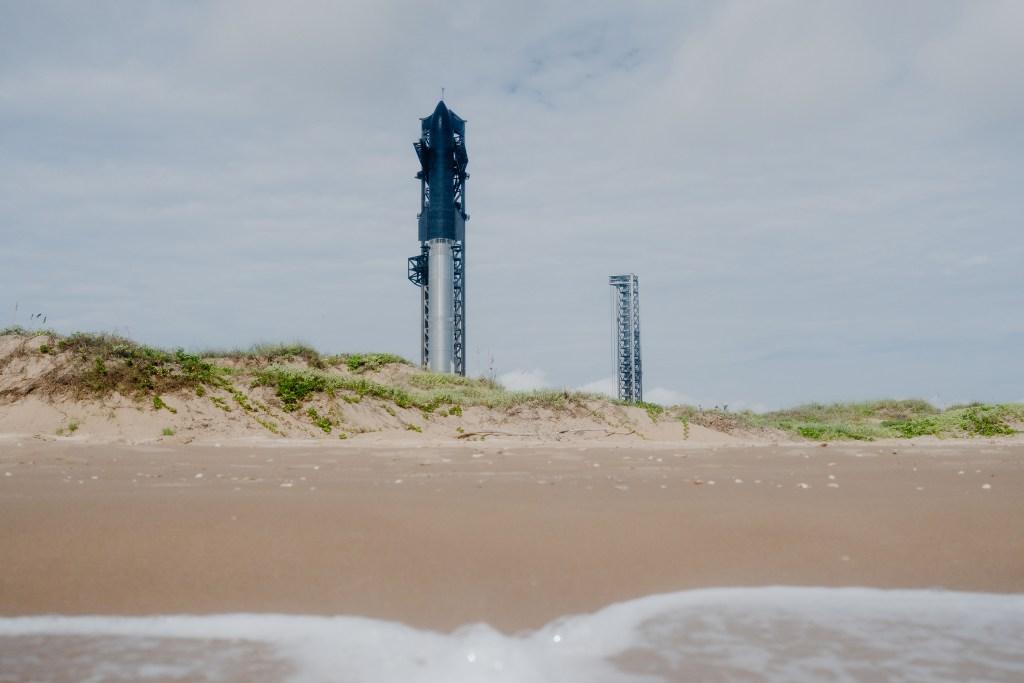









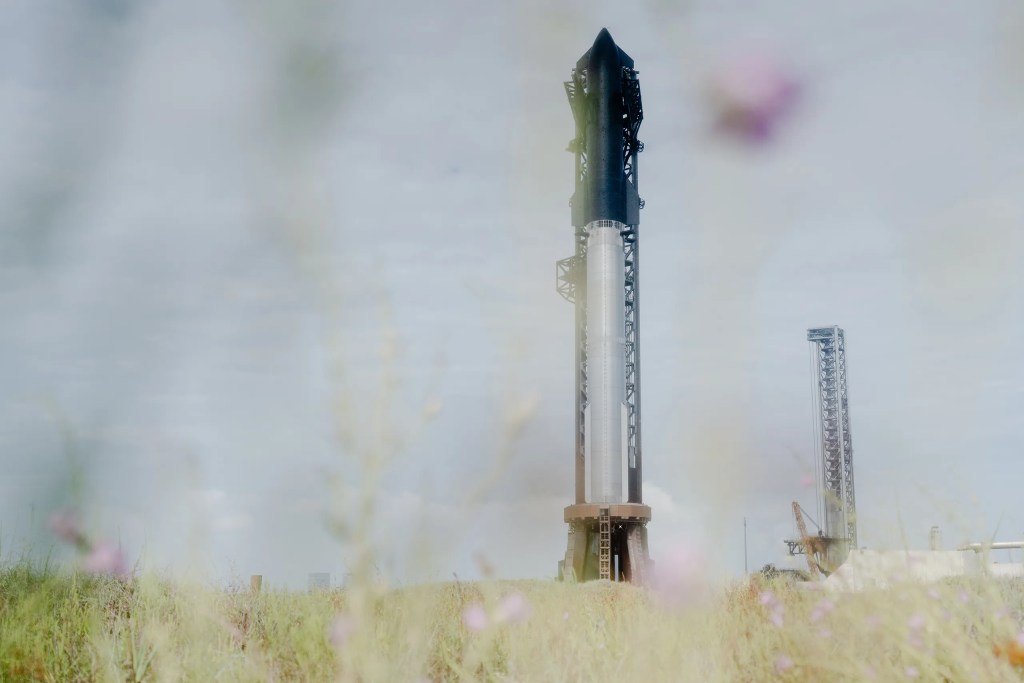
The Trump administration is reportedly considering a land exchange deal with SpaceX that would grant the aerospace company 775 acres of the Lower Rio Grande Valley National Wildlife Refuge. This information was highlighted in a recent report by the New York Times.
Under the proposed arrangement, SpaceX would receive land in Cameron County in return for 692 acres it currently owns elsewhere in the county, with some of that land located as far as 20 miles from the refuge. This transaction is aimed at expanding SpaceX’s rocket launch operations, which have raised concerns among critics regarding potential ecological harm and risks to local wildlife habitats.
Representatives from both the Wildlife Service and SpaceX did not respond promptly to inquiries regarding the reported exchange. Garrett Peterson, a spokesperson for the Fish and Wildlife Service, noted that the federal government is evaluating a deal that would promote long-term wildlife conservation while also supporting the administration’s objectives of enhancing American innovation, infrastructure, and economic competitiveness.
It remains uncertain if the proposed deal would impose any obligations on SpaceX to safeguard wildlife on the exchanged land. The U.S. Fish and Wildlife Service has identified two endangered species, the ocelot and jaguarundi, residing within the Lower Rio Grande Valley Refuge.
Previously, SpaceX had entered into a land swap agreement with the Texas Parks and Wildlife Commission in 2024 but later withdrew from that arrangement. That deal involved the exchange of 43 acres of Boca Chica State Park for 477 acres adjacent to the Laguna Atascosa National Wildlife Refuge. The current proposal suggests that some of the land SpaceX would relinquish in this new exchange could be incorporated into the Laguna Atascosa refuge.
This year, SpaceX’s footprint in South Texas has become increasingly significant, particularly with the establishment of a new city named Starbase, predominantly inhabited by SpaceX employees. The potential land exchange could represent yet another achievement for SpaceX, which has seen a series of favorable developments at both the state and federal levels over the past year.
In May, the Federal Aviation Administration granted SpaceX the green light to ramp up its rocket launch activities in South Texas. The following month, the Texas Legislature authorized the company to close a nearby beach during its launches. Moreover, in September, a lawsuit challenging the FAA’s environmental assessment of a failed SpaceX launch in 2023 was dismissed by a judge.