








The History of Texas Rail Travel
Texas, known for its vast landscapes and rich history, has always been a land of opportunity and innovation. One of the key innovations that shaped the state’s development and growth was the railway system. From the early days of steam locomotives plowing through desolate terrain to the modern high-speed trains connecting sprawling cities, Texas rail travel has significantly impacted its economy, culture, and geography.
The introduction of railroads in Texas altered the way people lived and worked, facilitating trade, travel, and the movement of goods. With the rise of rail travel, Texas transformed from a largely rural society into a dynamic hub of commerce and industry. This article explores the fascinating journey of rail travel in Texas, from its inception to its present state, underscoring the enduring legacy that railroads have left on the Lone Star State.
Early Development of Railroads in Texas
The roots of rail travel in Texas can be traced back to the 1840s when the first railroad charter was granted. Construction began in 1851 with the establishment of the Galveston and Red River Railroad, although progress was slow due to financial difficulties and the Civil War, which drew resources away from infrastructure development. The 1850s and 1860s were turbulent times, but the need for efficient transportation became critical, particularly for the movement of cotton and other agricultural products.
After the Civil War, Texas experienced a surge in railroad construction as part of the broader Reconstruction effort. The federal government invested significantly in rail infrastructure, recognizing its importance for economic growth and development. By the late 1870s, several major railroad companies, including the Southern Pacific Railroad and the Texas and Pacific Railway, were actively laying tracks across the state. This expansion opened new markets for farmers and cattle ranchers, allowing them to transport their goods to distant markets without the logistical challenges that previously hampered sales.
The increasing number of rail lines spurred population growth in Texas towns and cities, as settlers flocked to areas with established railway access. Major cities like Dallas, Houston, and San Antonio became thriving hubs of commerce, thanks in part to the railroads connecting different regions of the state. By the dawn of the 20th century, Texas boasted a vast railway system, with thousands of miles of track servicing diverse communities across its expansive territory.
Technological Innovations and the Expansion of Services
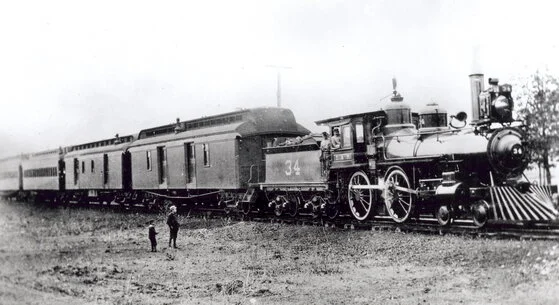
The late 19th and early 20th centuries marked a period of innovation in railway technology that transformed passenger and freight transportation. The introduction of steam locomotives with greater pulling power enabled trains to traverse challenging terrains more efficiently. Railcars became more comfortable, leading to an increase in passenger services, such as dining cars and Pullman sleeper cars, which catered to travelers’ needs.
Additionally, the development of standardized gauges, which allowed trains from different lines to operate on the same tracks, facilitated even more efficient travel across the network. The merger of smaller railroads into larger companies resulted in more integrated service offerings and gradually resolved some of the passage difficulties of the 19th century.
Through the 1920s and 1930s, Texas rail travel became synonymous with adventure and economic opportunity. Railroads offered passenger services with increased frequency and reaching remote areas where other forms of transport were less reliable. The famous Texas Special and Sunset Limited trains became celebrated for linking the state with national markets and vacation destinations. Rail service drastically reduced travel times, enabling Texans to live farther from their workplaces, thus fostering suburb development.
The Impact of the Great Depression
The onset of the Great Depression in 1929 brought significant challenges to the rail industry in Texas. The economic crisis, coupled with the advent of automobiles and better road infrastructure, led to a sharp decline in passenger numbers. Many railroads faced bankruptcy, resulting in massive layoffs and decreased service levels.
To adapt to the new economic landscape, several Texas railroads diversely approached their business models. They began to focus on freight transport, which remained a core necessity even in challenging times. Agricultural products, oil, and manufactured goods continued to need efficient means of distribution, allowing many rail lines to survive the economic downturn.
The New Deal brought further government investment into transportation infrastructure, and railroads eventually recovered, albeit with significant adaptations to their operations. By the late 1940s, rail travel began to regain popularity, aided by improvements in technology, safety standards, and renewed commitment by railroad companies to customer service.
The Rise of the Automobile and Air Travel
As the years moved into the mid-20th century, the growing popularity of automobiles and the introduction of commercial aviation began to challenge rail travel dramatically. Families began to opt for cars over trains for personal travel, leading to reduced passenger numbers on many routes. This shift prompted railroad companies to rethink their strategies and focus more on freight services.
The establishment of the interstate highway system in the 1950s further compounded the problems faced by railroads. Highways made it easier for people to travel by car, offering more flexibility and direct routes. Consequently, many rail services were discontinued, and some lines were abandoned entirely as funds were reallocated to fortify road networks.
Even with these challenges, Texas railroads adapted by investing in freight services and leveraging the strategic advantages of rail for bulk transport. Commuter rail services slowly began to make a return in metropolitan areas like Dallas and Houston as urban populations expanded, and the demand for affordable and efficient public transport re-emerged.
Revitalization of Rail Services in Modern Texas
Starting in the late 20th century, there has been a renewed interest in rail travel in Texas, driven by growing environmental concerns, urban congestion, and the desire for alternative transportation options. Notable projects, such as the Trinity Railway Express in the Dallas-Fort Worth metroplex, restored commuter rail services connecting urban centers to suburbs, significantly reducing freeway congestion.
Texans have also witnessed the launch of major rail lines such as the Texas Central Railway, aimed at connecting Dallas and Houston via a high-speed rail service. This ambitious project aims to harness cutting-edge technology while promoting eco-friendly transportation options. High-speed rail serves as a sustainable alternative to air travel and is projected to dramatically cut travel times between the two largest cities in the state, further enhancing economic growth.
Moreover, significant investments have been directed towards upgrading existing rail infrastructure, ensuring safety and efficiency for freight transport. The Houston–Galveston rail corridor and the recent improvements in intermodal facilities highlighted the ongoing transformation in Texas rail systems, adapting to meet modern demands while positioning themselves as competitive elements of the broader transportation landscape.
The Future of Rail Travel in Texas
Looking ahead, the future of Texas rail travel appears promising. As the state grapples with persistent challenges like urban sprawl, traffic congestion, and atmospheric concerns, expanding rail services will play an integral role in addressing these issues. The Texas Transportation Commission is actively exploring various plans aimed at enhancing rail connectivity across urban and rural areas alike, focusing on sustainability and growth.
Local, state, and federal investments are being evaluated to broaden the rail experience further. Innovations such as automated trains, advanced signaling systems, and integrated transit networks will likely form the backbone of future expansion. The possibility of extending high-speed rail networks to complement existing services represents a transformative vision for travel within Texas.
In essence, Texas rail travel stands at a critical juncture. With ongoing commitment from stakeholders, increased public interest, and a legacy rooted deeply in the state’s history, the future holds significant potential. Texas railroads, once at the helm of transformation, could redefine themselves as vital components of modern transportation—one that maintains the spirit of exploration and connectivity that the state was built upon.
As Texans continue to embrace their storied past while looking toward a sustainable and prosperous future, rail travel may well find itself again at the forefront of Texas’s transport narrative.