







Along the Texas Gulf Coast, the sprawling Houston petrochemical complex illuminates the night. The flickering flares from oil and gas facilities cast a distant glow visible to surrounding communities and travelers along nearby highways.
For decades, Texas has maintained its status as a powerhouse in the global oil and gas sector. In 2025, the state accounted for 43% of the nation’s crude oil production, averaging about 5.8 million barrels per day. Energy costs remain a hot topic of discussion among Texans, especially as they take center stage in the upcoming November midterm elections.
State Representative James Talarico and Attorney General Ken Paxton are vying for one of Texas’s two U.S. Senate seats. Both candidates have spent months campaigning across the state, addressing key issues such as immigration, healthcare, and public safety. Despite their stark differences on many topics, they are united in posing a critical question that resonates with voters: How will we tackle rising energy prices?
Energy prices are climbing. Over the past five years, costs have surged by more than 30% nationwide and in Texas, as reported by Electric Choice. Factors such as the increasing demand from data centers, fluctuating fossil fuel prices, and foreign policy decisions are straining consumer budgets, making it difficult for many to afford gasoline or keep up with electricity bills.
In response, both candidates are emphasizing economic issues related to living costs. Daniel Cohan, a professor of civil and environmental engineering at Rice University in Houston, noted that their campaigns are surprisingly similar regarding energy policies. “Both are positioning themselves as advocates for lowering energy costs,” he stated.
Shifts in Energy Demand
A significant factor influencing the current energy debate is the proliferation of data centers dedicated to artificial intelligence. Texas is home to nearly 400 data centers that are either operational, planned, or under construction, consuming about 17 terawatt-hours of electricity annually—enough to power 1.6 million homes for a year. This high energy demand, coupled with substantial water usage for cooling supercomputers, has led to widespread public discontent, with over 50% of Texans opposing new data center developments in their neighborhoods.
Both candidates have addressed these concerns on the campaign trail. In August, Paxton introduced a proposal to prohibit Chinese technology from U.S. data centers and to hold companies accountable if their centers support AI chatbots that compromise child safety. He also expressed support for the DATA Act, a bill aimed at exempting off-grid power systems with high energy demands, like data centers, from most federal electricity regulations.
Additionally, Paxton endorsed Texas Governor Greg Abbott’s initiative requiring data centers to finance their own electricity infrastructure, eliminate existing sales tax exemptions, and reduce local community impacts. Critics, however, argue that this position is hypocritical; Paxton previously voted in favor of providing those very tax exemptions in 2013, which have cost Texas billions in lost revenue.
“Ken Paxton facilitated billions in tax breaks for data center companies that have led to the current crisis,” stated JT Ennis, communications director for the Talarico campaign. “Texans can’t afford a senator who is indebted to big data center interests. Paxton’s corruption is a financial burden on Texans.”
Talarico has similarly called for repealing tax exemptions and requiring data centers to contribute to infrastructure improvements necessary for maintaining the Texas grid. He has also advocated for local community involvement in permitting data center construction, contrasting with Paxton’s lack of action in this area as attorney general.
In his campaign, Talarico has highlighted Paxton’s past legal troubles, including fraud charges from 2015 related to undisclosed financial interests in a tech startup tied to data centers.
Affordability and Climate Challenges
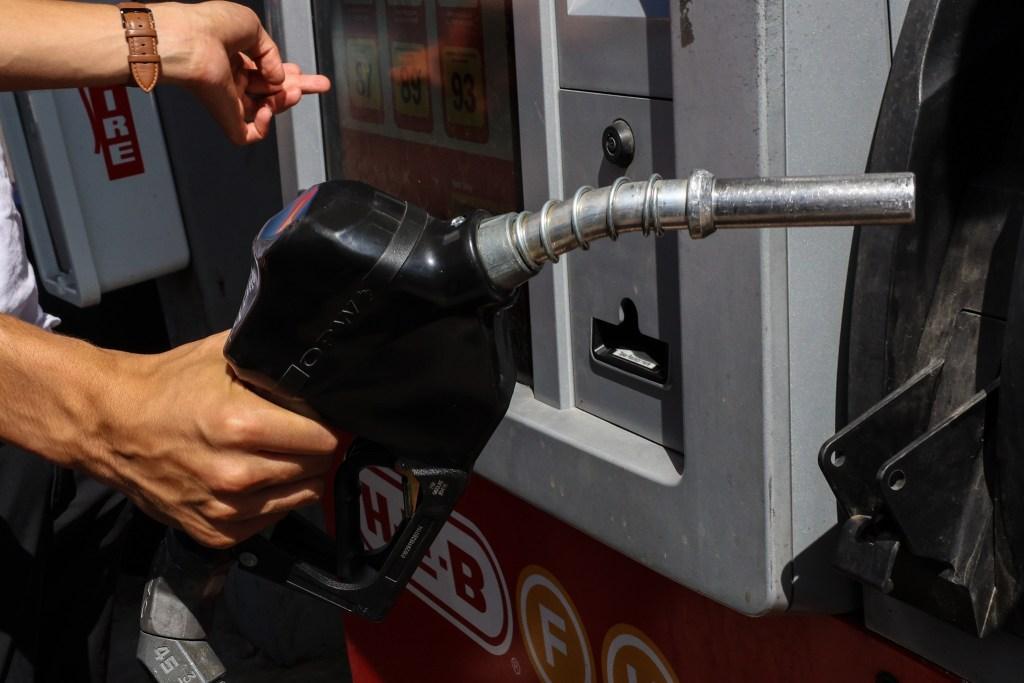
With gas prices having soared significantly in the last two years, candidates are concentrating on strategies to alleviate the financial strain on residents. Nationally, average gas prices have increased by over a dollar since last year, with current rates hovering around $4.30 to $4.40 per gallon.
Both Talarico and Paxton have proposed the suspension of the federal gas tax, albeit with different timelines; Talarico’s ban would be temporary, while Paxton advocates for a permanent cessation. Currently, the federal gas tax stands at 18.4 cents per gallon for gasoline.
Talarico has also focused on the Low-Income Home Energy Assistance Program (LIHEAP), which aids families with their utility bills, despite only a small percentage of eligible households receiving assistance. In 2025, over 38 million households nationwide qualified for LIHEAP help, but only 15% received any aid, according to the Edison Electric Institute. Texas and California have the highest number of LIHEAP-eligible households that do not receive funding.
Talarico is advocating for expanded funding and eligibility criteria to ensure that families in hot states like Texas receive fair assistance. Conversely, Paxton has not put forth any specific proposals regarding LIHEAP.
However, the campaign trail is just one aspect of a larger picture, according to Cohan. Historically, Talarico and Paxton have differed significantly on climate issues. Paxton has frequently challenged the U.S. Environmental Protection Agency (EPA) in court to obstruct federal regulations concerning air, water, and emissions, opposing the Biden administration’s methane tax and various environmental standards.
“I will utilize every possible method to oppose Biden’s extreme climate agenda, especially when it jeopardizes Texas industry and jobs,” Paxton declared in 2024 regarding the EPA’s stricter air quality regulations.
In contrast, Talarico has supported legislation aimed at reducing greenhouse gas emissions. He authored a bill in 2021 seeking to lower emissions by 90% by 2050, compared to 1990 levels, and has pushed for the inclusion of climate change topics in K-12 curricula.
Talarico promotes a balanced approach to energy, advocating for both the oil and gas industry and investments in renewable energy. Recently, he expressed the need to “protect well-paying oil and gas jobs” while simultaneously fostering new opportunities in advanced technologies such as geothermal and hydrogen energy.
Cohan predicts the outcome of this race will have significant repercussions for U.S. energy policy in the coming years. “The victor in this Senate race could very well become the 51st vote for the majority in the next Senate session,” he noted. “This is a pivotal race that could influence the direction of future legislation.”