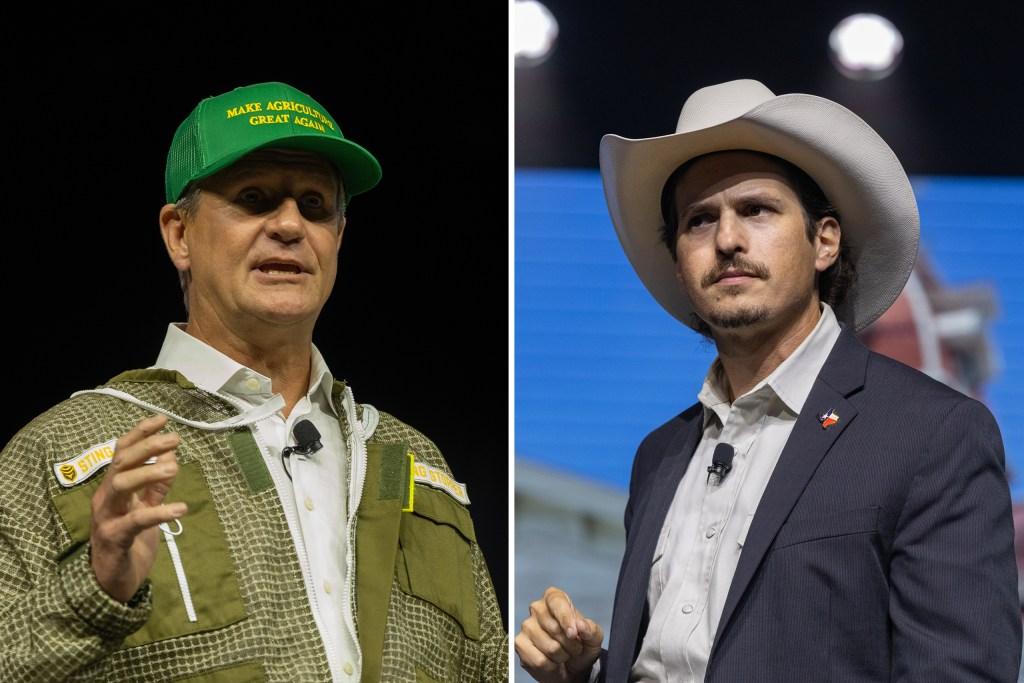








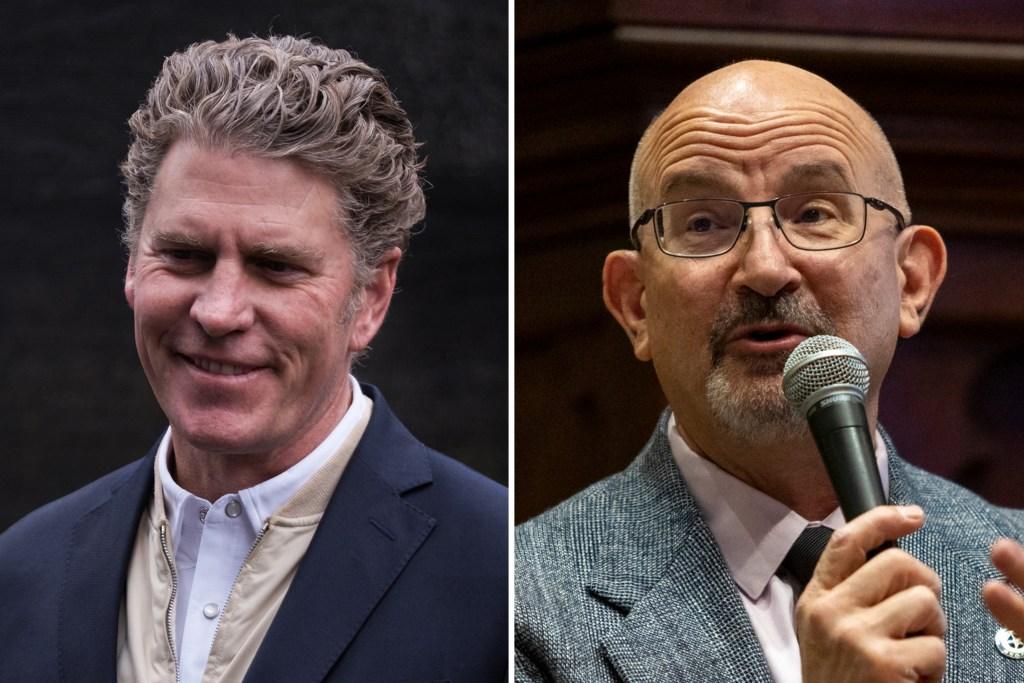
In Odessa, Jon Rosenthal had intended to dedicate his summer and fall to elucidating the complexities of the Texas Railroad Commission, the trio of officials overseeing the state’s oil and gas sector, while promoting himself as the ideal candidate for the role. However, the dynamics of the race shifted dramatically when his opponent, Bo French, made controversial posts on social media.
French, known for his far-right views, has built his political persona in Texas through inflammatory remarks, often crossing into racist territory. His campaign for the lesser-known regulatory body has mirrored this approach, as he has sought to steer the conversation toward issues like Chinese ownership of land, diversity and inclusion, immigration, and LGBTQ+ rights—topics largely outside the commission’s jurisdiction.
In September, French made headlines with his unfounded claims about the racial composition of the University of Texas-Austin, insinuating that South Asian students were displacing white students in academics and athletics. These comments thrust the race into the national arena, offering Rosenthal a rare opportunity to challenge the Republican stronghold within the commission, with the potential to become the first Democrat elected since the 1990s.
A state lawmaker and oil field engineer from Houston, Rosenthal has pledged to tackle chronic polluters, enhance oversight of natural gas facilities for emergency readiness, and impose fees on companies that dispose of oil and gas wastewater underground, directing the revenue towards plugging abandoned wells.
Despite a surge in campaign contributions following French’s controversial remarks, Rosenthal’s fundraising efforts have not matched those of past Democratic candidates. Meanwhile, French, undeterred by backlash from party members and the oil and gas sector, has reiterated his commitment to reducing energy costs, rolling back regulations, and opposing foreign ownership of oil and gas assets while advocating for anti-abortion policies.
The outcome of the election on November 3 will determine who joins the commission, which manages a large state agency with a budget of half a billion dollars. The commissioners are responsible for a range of critical issues, including drilling permit approvals and penalties for infractions, as well as overseeing pipeline construction and wastewater disposal programs.
At 56 years old, French is well-acquainted with the oil and gas industry, hailing from Midland, where his family owns French Oil, a local firm. However, his notoriety stems more from his leadership of the Tarrant County Republican Party and his divisive comments on various social issues, which have drawn criticism from fellow Republicans. Notably, Lieutenant Governor Dan Patrick advised French to step down from his party role following a controversial poll he conducted about religious groups.
Although GOP leaders have backed another Republican candidate during the primaries, French has continued to attract media attention for his provocative statements throughout the year. In March, he suggested that 100 million individuals should be deported from the United States, and in June, he described the Supreme Court’s reaffirmation of birthright citizenship as treasonous.
French has adjusted his messaging slightly on his campaign platform, asserting that the commission’s primary role should be to facilitate oil production, which he claims will enhance Texas’s refining sector. However, experts question how increased oil production could benefit refining if existing export restrictions remain in place, potentially leading to a market oversupply that could harm profits in Texas’s largest oil field, the Permian Basin.
Despite advocating for deregulation, French’s stance raises concerns, as the majority of Texas drilling occurs on private land with minimal federal oversight. He has publicly affirmed his belief that “Texas has oil and leaders who say yes to producing it,” emphasizing the need to keep radical elements away from the commission.
Rosenthal, a four-term state representative, represents the minority perspective on the commission, standing against French’s ten-point policy agenda. His commitments include targeting companies that habitually violate air pollution standards and implementing fees on wastewater injection, with the intention of utilizing the funds for orphan well remediation. His platform also advocates for stringent regulations on natural gas facilities to ensure resilience against extreme weather events.
Having previously overcome significant odds—unseating a long-term Republican incumbent in 2018—Rosenthal now faces a challenging landscape in this high-profile commission race. He is at a disadvantage in fundraising and marketing, outpaced by substantial financial backing for his opponent from right-wing donors.
Rosenthal, who has spent his career in the oil industry, often begins his campaign events by clarifying the commission’s functions and the need for increased scrutiny of certain companies, while also addressing the reasons behind rising energy costs during severe weather conditions. The necessity to respond to French’s provocative statements has diverted time from critical policy discussions.
“I still want to focus on the issues,” Rosenthal stated. “It has always been my intention to counter his incendiary and racist remarks. This race should center on facts, but the narrative has shifted due to the frequency with which I am questioned about his comments. It has become an unavoidable topic.”
As the election approaches, Rosenthal has recently outpaced French in fundraising for the first time since his campaign began, amassing nearly half a million dollars following the viral tweet incident. However, he still faces an uphill battle in winning over moderate Republican voters.
Interestingly, the oil and gas industry has not offered typical support for the Republican candidate, which could reflect the broader discontent with French’s rhetoric. Observers note that French’s controversial statements and the ensuing media coverage have inadvertently benefited Rosenthal by increasing public awareness of the often-overlooked regulatory agency.
Luke Warford, a Democrat who previously ran for the same position, commented on the significance of having an opponent like French, stating, “The biggest challenge is getting enough people to know the candidate, and that’s almost impossible without an incident like this. A terrible opponent is advantageous for winning, and the timing of the tweet was perfect for fundraising.”
Another former candidate, Sarah Stogner, noted that Rosenthal is navigating a different political landscape, where public dissatisfaction with Republican governance could provide him an opportunity to position himself as a viable alternative, irrespective of party lines. A recent poll from the University of Texas/Texas Politics Project indicates that Rosenthal holds a narrow lead over French, within the margin of error.
Both candidates have agreed to participate in a debate in Dallas, although French has yet to publicly acknowledge this potential engagement, marking the only confirmed debate across statewide races.