








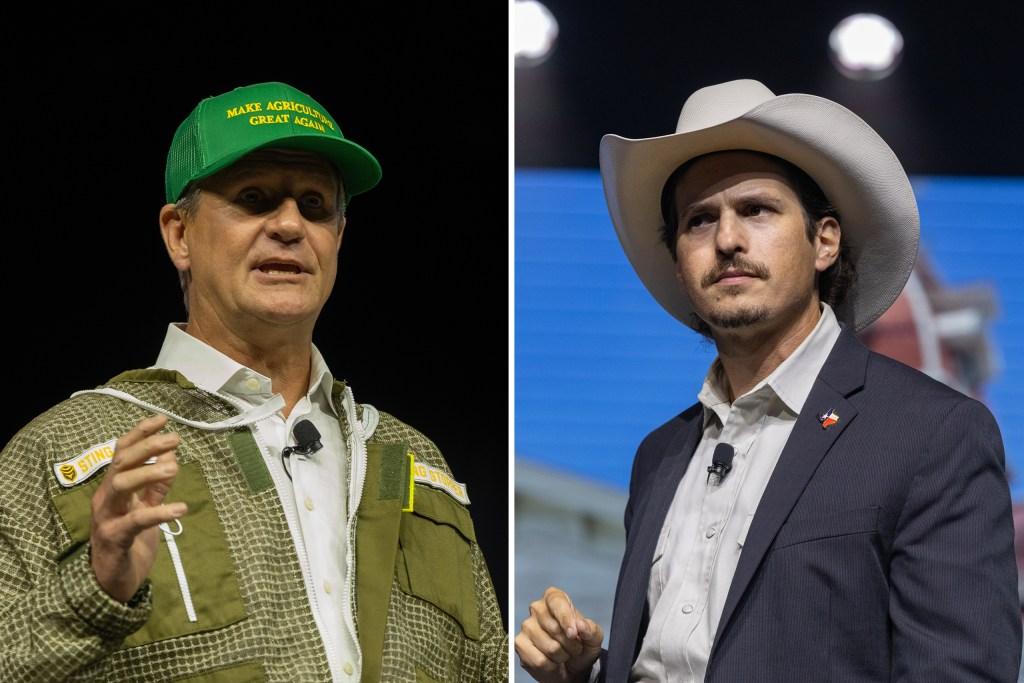
LUBBOCK — In a closely watched race for Texas agriculture commissioner, candidates Nate Sheets and Clayton Tucker find themselves on opposing sides of the political spectrum despite sharing a common Texan heritage and ambitions for the role. Both fifth-generation Texans from the Hill Country, they are vying for a position that will be filled for the first time in over a decade.
Sheets, a Republican, aims to revive profitability in agriculture for farmers and ranchers and eliminate harmful chemicals from food production. In contrast, Tucker, a Democrat, is focused on curbing the influence of “irresponsible” data center companies that he believes are depleting the state’s resources, while also tackling corporate monopolies.
The agriculture commissioner oversees a complex state agency with a biennial budget of $1.8 billion, which provides financial assistance to farmers, grants for rural infrastructure, manages the National School Lunch Program, and oversees crucial benefits like SNAP and WIC. The role also encompasses vital regulatory functions, including the management of scales in grocery stores and meat markets.
The victor of this election will face a challenging landscape for the agriculture sector, where rising inflation and droughts have left many farmers and ranchers struggling. The industry has encountered numerous hardships in recent years, including wildfires, increasing operational costs, and urban sprawl consuming agricultural land. Additionally, ranchers are currently battling the New World screwworm while awaiting the passage of a long-delayed Farm Bill by Congress.
Rebuilding public trust in the agriculture department is another critical task for the new commissioner, particularly following the controversial tenure of former Commissioner Sid Miller. Miller’s time in office was marked by various controversies, including the dissemination of misinformation and hiring a chief of staff who had previously pleaded guilty to commercial bribery.
“Texas farmers and ranchers are facing some of the toughest economic conditions we’ve seen in years,” stated Charlie Leal, chair of the Texas Agriculture Council. “We need a commissioner whose primary focus is the success of agriculture and the people who produce our food, fuel, and fiber. Agriculture needs to be the priority, not just one item on a list.”
Candidate Profiles
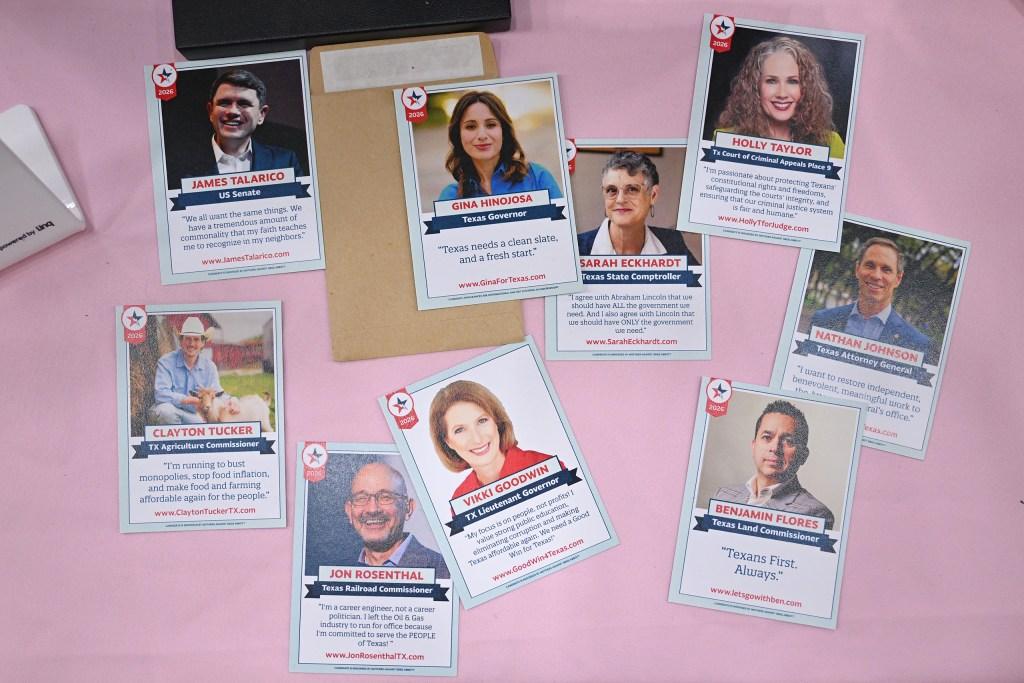
Tucker, 35, hails from Lampasas and has deep roots in agriculture, having worked on his family’s RX Ranch from a young age. His professional background includes roles as a water researcher and environmental compliance officer in Shanghai, as well as teaching kindergarten in Taipei. Since returning to Lampasas in 2016, he has been actively involved in political campaigns and grassroots organizations, aiming to advocate for agriculture and community needs.
His platform emphasizes the importance of ensuring that public school lunches are sourced from Texas, dismantling monopolies in the agricultural sector, and reducing the use of harmful chemicals in food. He believes in the potential for bipartisan support on issues like feeding children and promoting healthier food options.
Sheets, 56, grew up in Kyle and served in the U.S. Navy before establishing a successful honey business, Nature Nate’s. After selling the company in 2021, he transitioned to managing Honey Rock Ranch, a 10,000-acre operation. His campaign is centered on enhancing trade policies, promoting clean food, and driving economic growth in rural areas. Sheets is also focused on food security, intending to expand the Go Texan program to link consumers with local agricultural producers.
Key Issues
The rapid expansion of data centers is a significant issue in this election cycle, with many rural Texans expressing opposition to their construction. Tucker has capitalized on this sentiment, despite the agriculture commissioner not having direct authority over the data center industry. He aims to leverage his position to advocate for transparency in resource consumption by these companies.
Sheets, while initially quiet on the matter, has recently voiced concerns about data centers encroaching on agricultural land. He envisions a scenario where these companies contribute to local agricultural initiatives rather than receive tax incentives.
The campaign has taken a contentious turn, with allegations of ineligibility raised by Tucker against Sheets, citing non-compliance with agricultural business ownership requirements. Sheets has countered with his own claims regarding Tucker’s qualifications and has accused him of misrepresenting his agricultural experience.
As both candidates ramp up their campaigning efforts ahead of early voting, the race remains tight. A recent poll indicates Sheets leads Tucker by a narrow margin, yet many voters remain unfamiliar with both candidates. Political analysts suggest that this lack of awareness could favor Republican candidates in statewide races.