







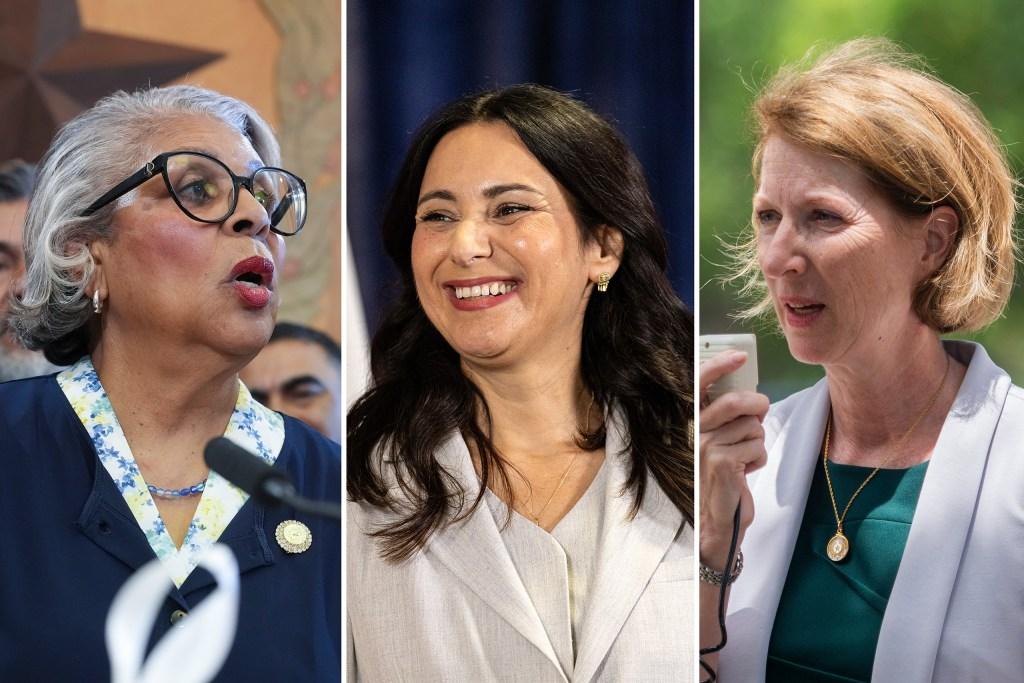
The recent election marks a pivotal moment in Texas politics, as the state prepares to welcome its first Democratic leadership in the top three offices—the governor, lieutenant governor, and House speaker—since 1995. However, the presence of Republicans remains significant as they continue to influence state governance.
In a clear indication of their commitment to bipartisan governance, the incoming Democratic leaders are actively enlisting Republicans for their transition teams. Governor-elect Gina Hinojosa has appointed a former Republican state representative as co-chair of her transition. Similarly, Lt. Gov.-elect Vikki Goodwin has chosen two former Republican senators to assist her, while presumptive House Speaker Senfronia Thompson has formed a transition team that includes both Democratic and Republican former speakers, notably former Republicans Joe Straus and Dade Phelan.
Hinojosa emphasized the importance of inclusivity during her first press conference as governor-elect, stating, “This is a transition for the whole state of Texas. We will have a bipartisan transition, and we will have a bipartisan administration and government in Texas.”
The Democrats’ recent electoral victories reflect a broader trend of political change in Texas, which saw a significant shift after President Donald Trump’s election by a 14-point margin just two years prior. Newly elected U.S. Senator James Talarico, who won against Republican Ken Paxton, cautioned against interpreting this outcome as an outright shift towards partisanship, asserting that voters were seeking change rather than allegiance to a single party.
As they take office, the Democratic leaders must navigate a divided government. While they won all statewide offices and a majority in the Texas House, the Republicans still control the state Senate. This division means any proposed legislation will require bipartisan support to reach Hinojosa’s desk.
Thompson expressed her intention to foster collaboration, stating, “Democrats and Republicans working together, we can make a difference in the state of Texas and the lives of the people that we represent.” She also announced plans to restore the tradition of bipartisan committee chairmanships in the Texas House, countering the previous Republican-led restrictions that marginalized Democratic voices.
The challenge for Democrats lies in balancing the need for popular legislation while addressing the expectations of their liberal base. Some activists have begun to voice concerns over the perceived leniency towards Republicans, with Texas commentator Michelle Davis arguing against allowing Republicans to hold key positions in House committees, based on their past governance practices.
Amid this political recalibration, Republicans who opposed outgoing leaders like Abbott and Patrick are finding new opportunities to influence the incoming administration. For instance, former GOP Representative Ernest Bailes, appointed by Hinojosa, had previously clashed with Abbott over school vouchers, yet both leaders are now focused on collaboration for educational improvements.
Thompson’s intention to work with former Republican speakers like Straus and Phelan underscores a willingness to build consensus, even amidst past conflicts with the hard-right factions of their party. Phelan, who faced challenges from conservative critics during his tenure, reiterated the importance of cooperation, stating that the Texas House functions best when prioritizing the needs of the people over party politics.
Goodwin, tasked with leading a Republican-majority Senate, has similarly appointed former GOP Senators Kel Seliger and Tommy Williams to aid her transition, signaling a desire for a more collaborative approach in the upcoming legislative session. Seliger’s history of opposition to Patrick’s leadership style further illustrates the potential for a more constructive legislative environment.
The current Democratic leadership is not the first to seek bipartisan cooperation, as historical precedents show that newly elected officials often reached across party lines for assistance. Notably, past Republican leaders like Rick Perry and David Dewhurst also appointed Democrats to key roles during their tenures.