








The Corpus Christi City Council made a narrow decision, voting 5-4 against accepting a $60,000 donation aimed at funding the application for a federal grant to support the development of a city-owned water treatment facility.
This vote, which took place on Tuesday evening, underscores the strength of the council’s anti-desalination faction just weeks before a critical vote on the potential revival of plans for the $978.8 million Inner Harbor desalination plant.
Local business and community leaders had pledged the funds in hopes of advancing the proposed desalination plant, which would provide a drought-resistant water supply by extracting salt from seawater sourced from Corpus Christi Bay.
The recent vote follows a contentious council meeting three weeks prior, where members opted not to pursue a grant from the U.S. Bureau of Reclamation. This federal program offers up to $120 million to assist in constructing desalination plants nationwide. Five council members expressed their objections to dedicating time and resources to a grant application for a project that has yet to gain approval and would take three years to complete.
These same five members voted against the $60,000 donation intended for grant application costs. Council Member Carolyn Vaughn voiced her concerns about the anonymity of the donors, labeling the funding as “dark money” and questioning the motivations behind the offer. “If the city’s going to take money from somebody, they should have names,” she stated. “It’s very frustrating because we have not approved Inner Harbor, so yet again this is being shoved down our throat.”
Council Member Kaylynn Paxson reiterated her earlier stance, emphasizing that there is still no approved project to warrant the application: “We still don’t have a project to apply this to that’s been approved.”
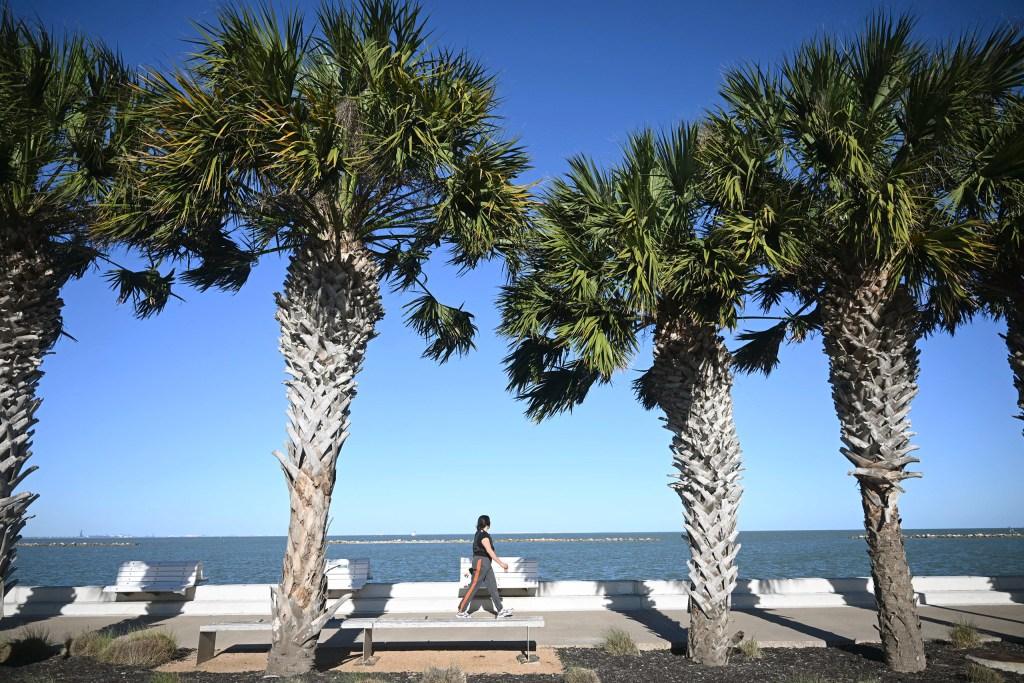
Corpus Christi has been facing severe drought conditions, nearly imposing emergency water-use restrictions earlier this year. However, recent rainfall from storms in the Hill Country has provided some relief, temporarily alleviating the water supply crisis until September 2028.
A coalition of local business owners formed Voices for Coastal Bend Energy, aiming to raise funds to cover the costs associated with the grant application. Nick Winkelmann, the city’s water department chief operating officer, estimated that the application process could cost up to $60,000, factoring in staff time and consulting fees.
The proposed desalination plant, originally budgeted at $1.2 billion and projected to treat approximately 30 million gallons of seawater daily by 2029, was paused by the City Council last September due to concerns over its costs and the environmental impact of salty discharge into the bay. The water department has since reduced the estimated cost to $980 million, with the council scheduled to revisit the project on September 1.
The deadline for the federal grant looms on August 26, and Dolley Trolley, executive director of Voices for Coastal Bend Energy, noted that the donors were enthusiastic about helping to remove perceived obstacles for council members. “It seems like it would be foolish not to apply for this grant,” she emphasized, highlighting the opportunity it represents for the community.
Despite the eagerness of some in the business community, council members remain wary about investing in the application process if the Inner Harbor project does not move forward. Council Member Gil Hernandez firmly stated, “It’s a simple no for me to apply for the grant because the City Council hasn’t yet approved the project.” He expressed concerns that applying for the grant could lead to complications down the line.
Council Member Mark Scott, one of the supporters of accepting the donation and advocating for the grant application, described it as a significant funding opportunity. While some council members expressed apprehensions about involving federal entities in the city’s plans, Scott maintained that the intent behind the offer was genuine and supportive of the project.
Scott clarified that the council’s decision was not about approving the Inner Harbor project itself but rather about accepting funds to prepare for a grant application should the project receive the green light.
Among the donors, David Loeb, a former City Council member and founder of Landlord Resources, indicated he was prepared to contribute $20,000 to support the application efforts had the council accepted the donation. He criticized the majority’s decision, stating it reflected a failure to collaborate effectively with various levels of government and local stakeholders. “It was sad but not surprising,” he remarked, viewing the donation as a long-term investment in securing a reliable water supply for the city.
Loeb concluded, “It’s a lot of money, but compared to how much money it returns, it’s a small amount of money. And it’s for the most critical issue of this community — water.”