








The recent elections have concluded, but the accountability of Texas officials is just beginning as public health funding faces significant cuts. The federal government has slashed $29.2 million from health organizations in Texas that conduct vital HIV testing in local communities, marking a troubling trend of diminishing public health resources across the state.
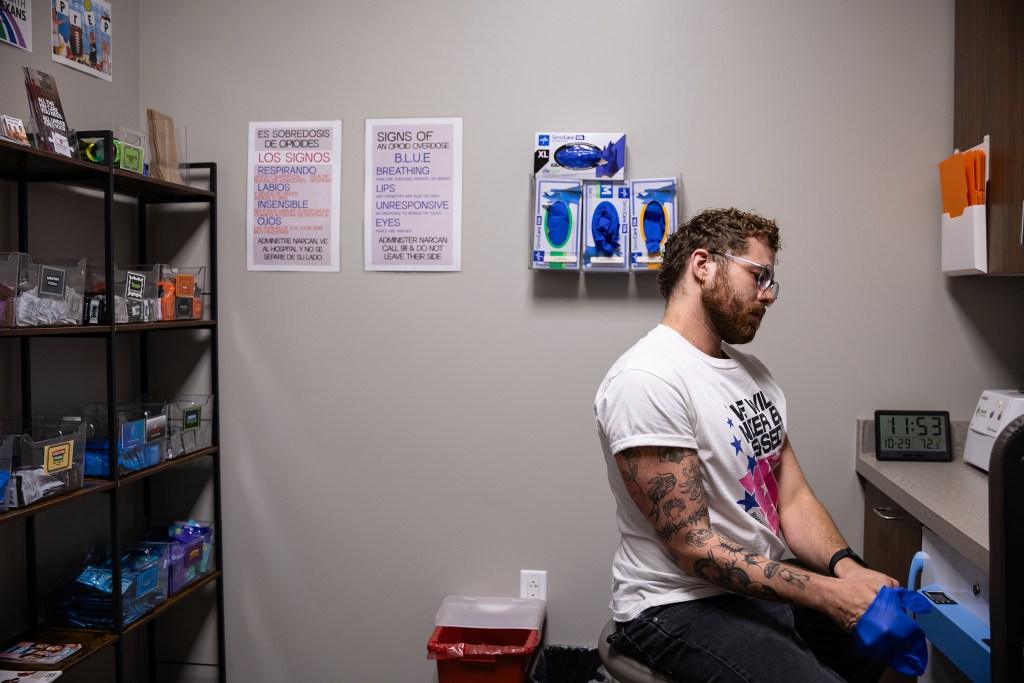
Texas previously ranked as the largest recipient of PS21-2102 funding, a federal grant program that provided financial support to 11 community-based organizations (CBOs) primarily located in urban areas over the past five years. These organizations play a critical role in the HIV prevention network, as they are often more trusted by the communities they serve compared to traditional clinics and have greater success in identifying individuals with positive HIV diagnoses. The funding from the federal government helped cover costs associated with HIV testing, connecting individuals to necessary care, and providing prophylactic treatments that significantly reduce the risk of infection.
Following the expiration of this grant, which the Centers for Disease Control and Prevention (CDC) allowed to lapse on September 30, many organizations are now racing to secure alternative funding sources or reduce their services. The CDC has not provided any comments regarding the situation.
Philip Keiser, a professor at the University of Texas Medical Branch specializing in HIV research, emphasized the essential role of CBOs in testing efforts. “Community-based organizations are the frontline in testing,” he stated. “They are embedded within their communities and have the trust necessary to encourage testing and outreach.”
Initiated in 2021, PS21-2102 allocated $239 million nationwide to community organizations, and its discontinuation coincides with the Trump administration’s broader efforts to undermine HIV eradication initiatives both domestically and internationally.
Philip Huang, director of Dallas County Health and Human Services and vice chair of the state’s Public Health Funding and Policy Committee, noted, “From the outset of this administration, it has been clear that HIV prevention efforts are under threat.”
In addition to the cuts specific to HIV services, Texas has seen a wider decline in public health funding, which has also affected pandemic-related grants aimed at immunization, laboratory capacity, and infectious disease outbreak investigations. Huang remarked that recent job cuts at the federal level have eliminated crucial administrative support and technical expertise that local health departments depend on, creating chaos and uncertainty in their operations.
Unlike previous HIV-related grants, which directly funded CBOs, the new federal funding model allocates a one-time sum to state health departments, with the Texas Department of State Health Services (DSHS) receiving over $5.2 million. However, only $1.2 million of this amount will be directed towards CBOs, raising concerns among advocates that state health departments may prioritize clinical testing over community-based efforts.
In Houston, Allies in Hope has been delivering HIV care for over forty years. The organization received approximately $441,000 annually from PS21-2102, which funded various prevention initiatives, including outreach and mobile testing units. CEO William Jeffrey Campbell expressed concern that without new funding sources, the organization will need to cut back on testing services.
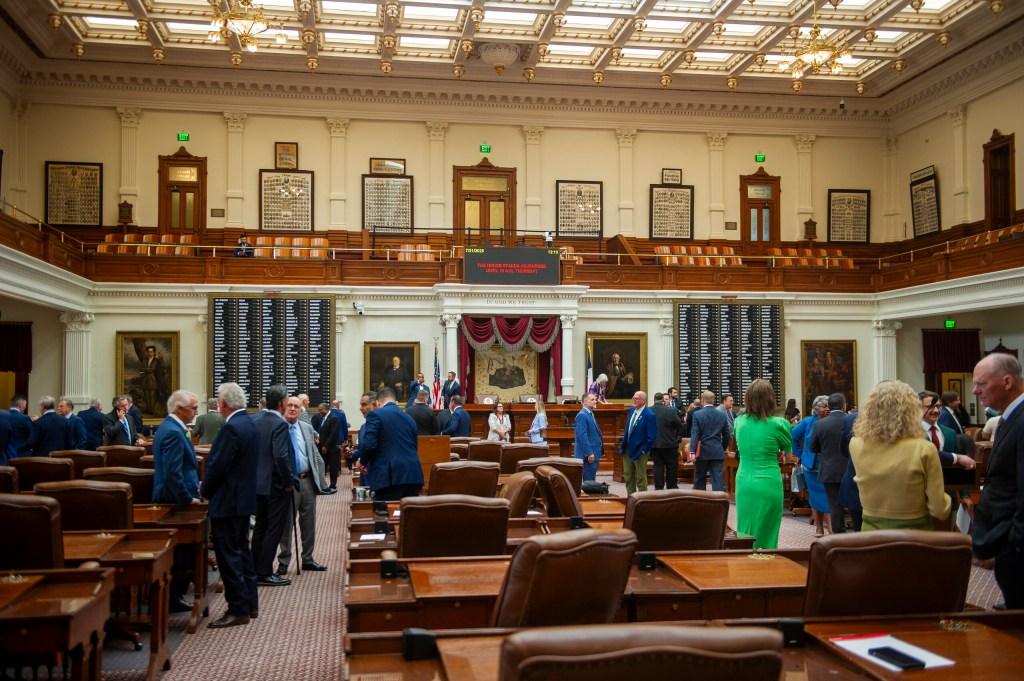
State Rep. Venton Jones, a Dallas Democrat and the first openly HIV-positive member of the Legislature, highlighted the urgency of addressing funding gaps as lawmakers prepare for the next legislative session. He pledged to advocate for the restoration of federal funding, stressing the importance of these resources in combating the epidemic. “This is a significant blow to our response efforts,” Jones remarked. “We need the federal government to reinstate these critical funds.”
Texas currently ranks fifth in the nation for new HIV diagnoses per capita, as reported by AIDSVu. Keiser pointed out that diverting funds from CBOs to support clinics is counterproductive, stating, “It’s like robbing Peter to pay Paul.”
CBOs are more effective in reaching vulnerable populations, often setting up testing stations in social settings like bars or nightclubs, which enhances their ability to identify positive cases. Between 2012 and 2017, CBOs diagnosed 1.4% of CDC-funded tests as new cases of HIV, compared to only 0.5% from local health departments, demonstrating their effectiveness in outreach.
Emma Sinnott, Vice President of Health Center Operations at Vivent Health in Austin, noted that many individuals in the community may distrust clinics due to stigma surrounding HIV. “Stigma prevents people from seeking care,” she stated, emphasizing the importance of outreach to improve access to testing.
Vivent Health utilized its PS21-2102 funding to support outreach initiatives and HIV awareness programs, which accounted for 30% of its funding for HIV prevention. While the organization is better positioned to absorb the immediate impact of the grant loss, Sinnott expressed concerns about reduced outreach capacity and the potential need to charge for testing services in the future.
Laura La Fuente, assistant director of Austin Public Health, emphasized the necessity of maintaining diverse access points within the public health system to ensure individuals can get tested and treated effectively.
The Trump administration initially set an ambitious goal of eradicating HIV by 2030 but has since implemented policies that have hindered progress. In the aftermath of the COVID-19 pandemic, the administration’s skepticism towards the CDC has led to significant cuts in funding for public health programs, including those targeting HIV prevention.
Experts argue that investing in HIV prevention programs is economically beneficial. A single case of HIV can cost up to $1 million in treatment over a patient’s lifetime, making early detection and treatment crucial in reducing transmission rates. “Cutting funding for testing is penny wise and pound foolish,” said Anthony Fojo, a professor at Johns Hopkins Medicine.
In San Antonio, the organization Black Efforts Against the Threat of AIDS was the largest recipient of PS21-2102 funds, covering 20% of its testing capacity. With the recent funding cuts, the organization is exploring alternative funding through grants and local support to maintain its testing efforts. Executive Director Michele Durham noted that reduced funding will lead to fewer people being tested and more undiagnosed individuals potentially transmitting the virus.
“We cannot afford to slow down our efforts at this critical moment,” Durham warned. “It is essential for both our community and our nation to stay proactive in combating this epidemic.”
For mental health support for LGBTQ youth, individuals can contact the Trevor Project’s 24/7 toll-free support line at 866-488-7386. For trans peer support, the Trans Lifeline can be reached at 877-565-8860, and trained crisis counselors are accessible through the Suicide and Crisis Lifeline by calling or texting 988.