








The recent election may have concluded, but the imperative to hold Texas officials accountable is just beginning. A focus on transparency and accountability is crucial as new revelations come to light.
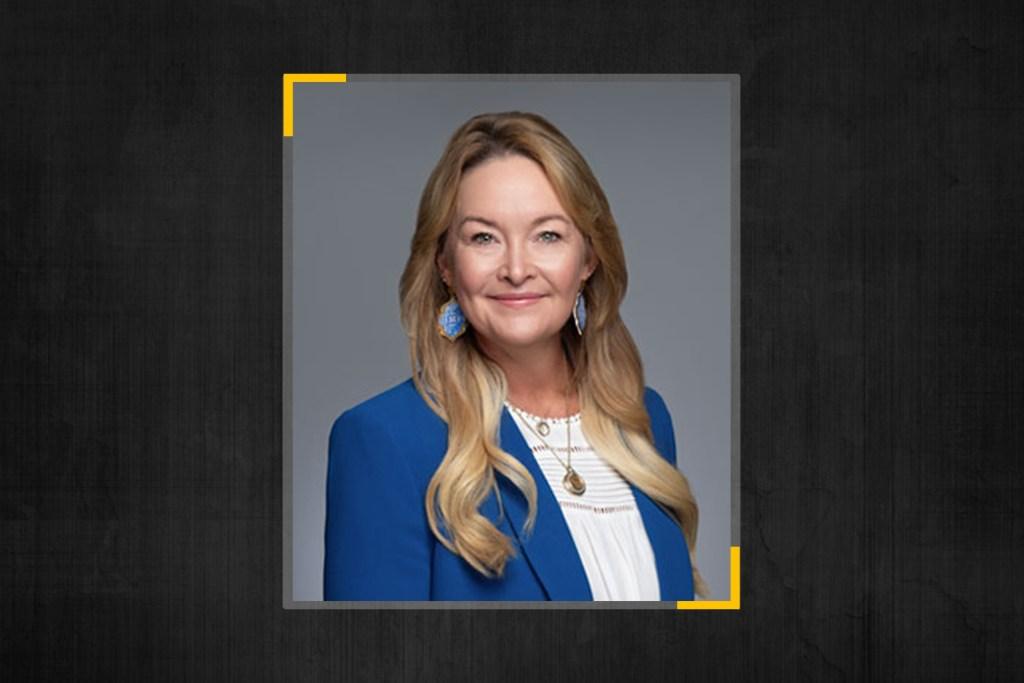
In June, Shandra Carter, the former executive director of the Texas Juvenile Justice Department, stayed for three nights at a luxury boutique hotel in Stockholm, themed after the iconic Swedish pop group ABBA. This establishment is located within the same building as a museum dedicated to the band.
Carter, who had been leading the agency since 2022, was in Europe following a training session she conducted approximately five hours away at a psychiatric hospital. She was preparing for an upcoming presentation in Helsinki on effective staffing and behavioral reinforcement strategies.
The Backstage Hotel Stockholm charges an average of $900 per night, significantly exceeding the U.S. State Department’s maximum allowance of $293 for federal employees traveling to the city. Travel records indicate that Carter billed Texas taxpayers around $9,000 for her 12-day trip to Europe this summer.
After earning an annual salary of $237,802, Carter unexpectedly resigned last month, providing no explanation. This decision came shortly after inquiries were made regarding her travel expenses. Newly obtained records reveal how her extravagant travel habits may have influenced her departure, particularly during a period when the agency faced chronic staffing shortages linked to “insufficient pay” and a recent lockdown of youth facilities she had implemented.
On October 23, the day of her resignation, Carter communicated with a colleague, stating she had been instructed to either “resign or be terminated” and had to make a decision that day. She did not disclose who had issued that directive.
In a letter addressed to the agency’s board chair and the governor’s office, she acknowledged that “concerns regarding this travel may have contributed substantially to the decisions about my employment.”
Carter emphasized the need for an “accurate account of the circumstances,” especially in light of potential public information requests, legislative inquiries, or media scrutiny surrounding her trip.
Records reviewed indicate that Carter’s state-funded travel, which included another international trip to Australia, amounted to nearly $34,000 from late July 2025 to late September 2026.
The Texas Juvenile Justice Department oversees five youth prisons housing around 740 juveniles convicted of felony offenses, as well as three reentry centers aimed at assisting youths reintegrating into society after incarceration.
In response to inquiries, Carter defended her travel expenditures, asserting that they were essential for advancing agency goals, such as the design of new juvenile facilities. She claimed transparency with agency staff regarding the rationale and anticipated costs of her trips.
Carter acknowledged that it was reasonable for taxpayers, legislators, and the media to scrutinize agency spending, particularly amid significant staffing and operational issues. She maintained that the professional activities associated with her travels were intended to help address those very challenges.
While Texas law does not impose limits on lodging expenses for state employees traveling internationally, it mandates that agencies select travel arrangements that are the “most cost-effective considering all relevant circumstances.”
Carter noted in her letter that she had informed her advisor in the governor’s office about her European travel plans. However, the governor’s office has not commented on what officials knew regarding the travel or their involvement in her resignation.
A spokesperson for the Texas Juvenile Justice Department, McKenzie Garrett, stated that Carter’s travel facilitated valuable professional relationships and opportunities for knowledge exchange that continue to benefit the agency. The international collaborations have enabled the agency to engage with leading researchers and practitioners, share best practices, and investigate the potential use of virtual reality technology for staff training and therapeutic interventions.
Interim Executive Director Sean Grove has ordered a review of travel policies and requested that the department’s Office of Internal Audit examine executive travel practices to enhance oversight and improve processes.
Carter’s initial engagement in Europe involved training staff at a forensic psychiatric hospital in Växjö, Sweden. She arrived in Copenhagen two days early to adjust to the time difference, leading to additional hotel costs of approximately $1,200. She then took an early-morning train to Växjö on the day of the training.
Following the training, she was scheduled to present at an international forensic mental health conference in Helsinki five days later, accompanied by Deputy Executive Director Evan Norton, whose travel expenses were about $6,000, roughly a third less than Carter’s.
While Carter claimed reimbursement for the maximum daily meal allowance of approximately $1,700 for each day of the trip, including on conference days when lunch was provided, Norton sought reimbursement only for his actual meal expenses, totaling less than $800.
Carter’s travel to Australia in September for six days cost around $8,800. This trip, along with a visit to South Dakota, was intended to inform planning and design for two new juvenile justice facilities in Texas, which represent a significant capital investment of approximately $304 million. Construction on these new facilities began last month and is expected to add about 200 beds by 2029, funded by the Legislature in 2023.
In her final correspondence, Carter informed staff about her resignation decision and instructed them to cancel her travel plans. The scrutiny surrounding her travel and the agency’s overall operational challenges highlights the need for greater accountability within state departments.