







Texas health officials have put forth a proposal to dramatically increase licensing fees for certain hemp businesses, with potential hikes reaching as high as 13,000%. This move has raised concerns among many in the industry, who argue that such changes will favor large, out-of-state companies while threatening the viability of small local operations.
Proponents of the proposed changes argue that they are essential for enhancing oversight of an industry they claim has spiraled out of control.
In late December, the Texas Department of State Health Services unveiled a series of proposed regulations aimed at tightening control over consumable hemp products. These include establishing a minimum purchase age of 21, implementing age verification processes, and enforcing mandatory product recalls—measures that have garnered some support within the hemp industry. However, the two most contentious aspects of the proposal are the introduction of new testing requirements and the steep increases in licensing fees. Specifically, manufacturer licenses would rise from $250 to $25,000 per facility per year, while retail registrations would jump from $150 to $20,000 per location per year.
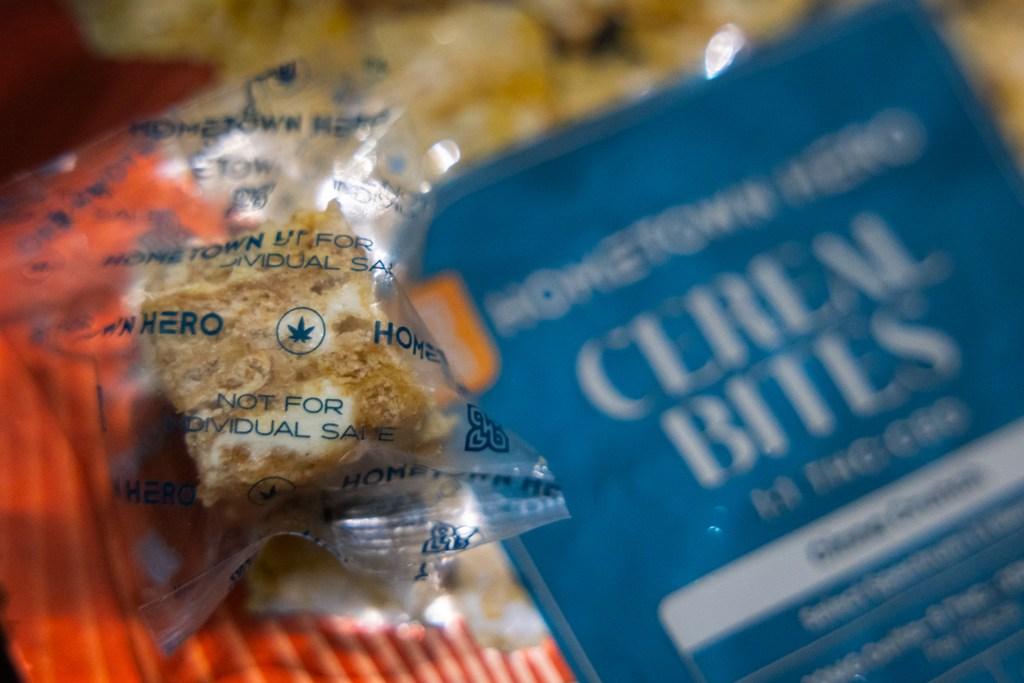
Industry stakeholders argue that the new testing requirements for THC levels in consumable hemp products would effectively eliminate the use of hemp flower in the production of items such as edibles and smokeables, given that hemp flowers typically contain THC levels above the proposed limit. They contend that this restriction would pave the way for a surge in synthetically derived THC products.
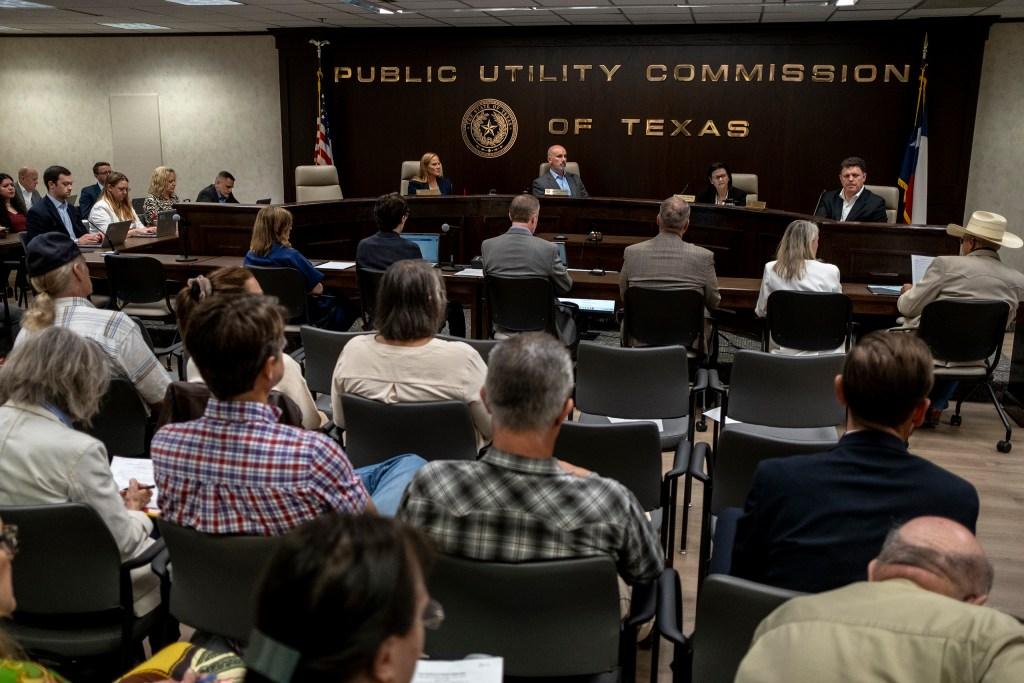
Scott Stubb, owner of Kemah-based Sublingwell Cannabinoids and Euphorics, expressed his concerns during a public hearing on the proposed rules. “The proposed regulations would eliminate around 80% of what shops like ours sell, including natural hemp flower. The $20,000 fee per shop raises serious questions about our ability to remain operational,” he stated.
Hemp distributors have characterized the increased licensing fees as a fundamental shift in who can afford to operate legally within Texas. Heather Fazio, director of the Texas Cannabis Policy Center, criticized the Department of State Health Services’ fiscal analysis, which assumes that most retailers will be able to pay the proposed $20,000 fee, thus generating over $200 million in annual revenue. Fazio argued that this assumption is unrealistic and that many small businesses would be compelled to close rather than face such exorbitant costs.
Fazio further contended that licensing and registration fees should reflect the reasonable costs of effective regulation, rather than serve as a revenue-generating mechanism that ultimately drives businesses out of the market. “The department’s own estimates indicate that the increased costs of administering these regulations would be minimal. It remains unclear why such drastic fee increases are warranted,” she remarked.
Supporters of the fee increase maintain that it is a necessary measure to safeguard children from hemp products and advocate for enhanced penalties for hemp retailers operating without licenses. Betsy Jones, director of policy and strategy at Texans for Safe and Drug-Free Youth, stated, “Given that cannabis is a billion-dollar industry, it is fair for those profiting from the sale of these products to contribute fees that help cover the costs associated with regulation and the societal impacts of these substances.”
Aubree Adams, director of Citizens for a Safe and Healthy Texas, called for additional regulations, including raising the minimum purchase age to 25 and requiring hemp businesses to contribute to public education, data collection, and treatment initiatives.
Veterans have also voiced their opposition to the elimination of naturally derived hemp flower products, emphasizing their reliance on such items for managing conditions like PTSD and anxiety. Adam Peterson, a combat veteran from San Antonio, shared, “After experiencing severe side effects from various pharmaceuticals, the natural health products derived from hemp have been transformative for my well-being.” He cautioned that a total ban on THC would severely limit access to effective medicine.
Fazio warned that restricting access to regulated hemp flower would not reduce consumer demand; rather, it would likely drive individuals back into the unregulated market, undermining the public health objectives the proposed regulations aim to achieve.
Both the Texas Alcoholic Beverage Commission and the Texas Department of State Health Services have formulated new rules to regulate the consumable hemp market in response to an executive order from Governor Greg Abbott. The agencies are collaborating because neither has comprehensive jurisdiction over all retailers selling consumable hemp products. For instance, TABC regulations do not cover approximately 8,000 licensed hemp retailers under the Department of State Health Services, which includes smoke shops and gas stations that do not sell liquor. Similarly, TABC has not proposed any changes to licensing fees for businesses selling consumable hemp products.
This executive order followed extensive debates in the Texas Legislature over the past year regarding a potential ban on consumable hemp products or the imposition of stricter regulations. A total ban, which received approval from both the House and Senate, was ultimately vetoed by Abbott last summer. He subsequently placed THC regulation on the agenda for two special sessions, but lawmakers failed to reach a compromise by the end of the second session. Rather than convene a third special session, Abbott chose to issue his executive order, creating tension with Lt. Gov. Dan Patrick, a strong advocate for a ban on consumable hemp products.
Initially, representatives from the THC industry celebrated Abbott’s order as a positive development, believing it would help solidify THC’s status as a legitimate industry in Texas. However, some industry members now view the proposed rules as akin to a ban.
Hayden Meek, owner of Delta Denton in Denton, remarked, “When the governor vetoed that bill, he echoed our concerns. Yet adopting a fee structure from that same bill undermines that progress. A $20,000 fee is a minor expense for multi-state corporations, but for a single-location shop like mine, it feels like a death by 20,000 cuts.”
The public comment period is set to conclude on January 26, though the timeline for implementing any approved rules remains uncertain.