








The heated rivalry depicted in the series “Heated Rivalry” has transcended mere entertainment to become a significant cultural touchstone, particularly in the realm of sports and LGBTQ+ representation. The show, which gained popularity on HBO Max after its origins with the Canadian streaming service Crave, showcases a groundbreaking gay romance set against the backdrop of competitive hockey.
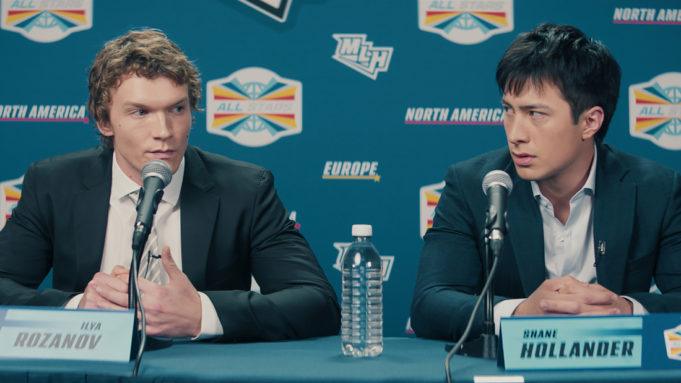
Set in 2008, the narrative introduces viewers to Shane Hollander and Ilya Rozanov, two rising stars in the world of junior hockey. Their paths cross during a championship in Regina, Saskatchewan, and as they ascend to prominence with their respective teams in Montreal and Boston, their relationship evolves from friendship to romance. The series adeptly navigates the complexities of their lives, illustrating the pressures they face in a sport steeped in traditional masculinity.
The dynamics of their relationship are poignantly illustrated through various milestones, such as their first sexual encounter after filming a commercial together and the subsequent challenges they face regarding their identities. Shane, often portrayed as the wholesome face of hockey, grapples with public scrutiny as he navigates his relationship with Ilya, who is deeply influenced by the cultural expectations of his homeland.
While “Heated Rivalry” draws inspiration from the real-life rivalry between hockey greats Sidney Crosby and Alexander Ovechkin, it also shines a light on the pervasive toxicity surrounding masculinity in men’s sports. The series explores the often unacknowledged struggles of LGBTQ+ athletes in environments where homophobia is rampant, making the representation of a gay relationship in hockey particularly significant.
Despite some production limitations, such as filming locations that do not authentically reflect the story’s settings, the series compensates with emotionally resonant moments. For instance, a powerful scene featuring an American player celebrating a championship win by publicly embracing his boyfriend underscores the show’s commitment to representation and inclusivity.
However, the series does have areas that could benefit from further development. The absence of more authentic French dialogue, which would reflect Shane’s life in Montreal, and a lack of exploration into the casual homophobic language prevalent in hockey culture are notable gaps. These elements could enrich the narrative and provide a fuller context to the characters’ experiences.
As the first season concludes, the chemistry between the lead actors is palpable, driving both the plot and audience engagement. Their evolving relationship leads to profound revelations about love and vulnerability, particularly highlighted during Ilya’s return to Russia for his father’s funeral, where he confronts deep-seated family issues with Shane’s support.
With the first season’s success, there is hope that future installments will address these narrative shortcomings and continue to explore the complexities of love, identity, and personal growth within the fiercely competitive world of hockey.