





Exploring Fort Worth’s Vibrant Art Scene
Fort Worth, Texas, a city that beautifully blends its rich cultural heritage with modern innovation, has cultivated an impressive landscape of art installations and public murals that tell the stories of its diverse community. From energetic street art that captures the essence of local life to tranquil installations that invite contemplation, Fort Worth offers a unique tapestry of artistic expression that engages residents and visitors alike. As the city continues to grow, so does its commitment to public art, making it a significant focus for both urban developers and art enthusiasts.
Art in Fort Worth is more than just decoration; it serves as a vital part of the community’s identity. Public murals and art installations contribute to the city’s cultural economy while providing a platform for local artists to showcase their talents. These creative expressions often highlight social issues, honor historical figures, or celebrate the city’s vibrant culture. As the city evolves, so does its art, enriching the urban landscape and encouraging community interaction.
Public Murals: A Canvas of Community Expression
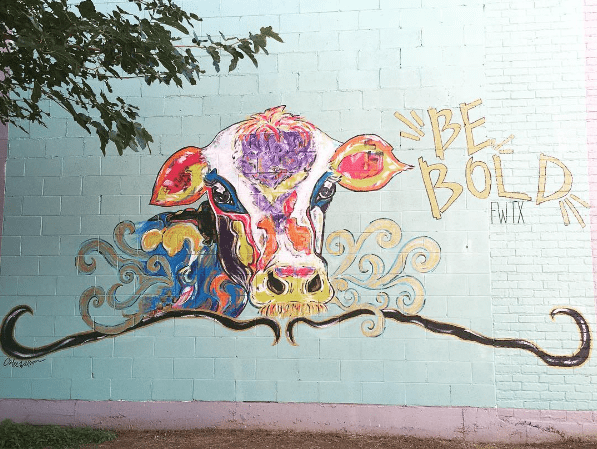
Public murals in Fort Worth represent a powerful artistic movement where walls become the canvas for community voices. These murals capture the essence of diverse cultures, showcasing stories, struggles, and aspirations in a visual format that resonates with many. The city has embraced this art form, encouraging both established and emerging artists to contribute to its vibrant scene. Notably, areas like the Cultural District and the Near Southside have become hotspots for breathtaking murals.
The Near Southside, known for its eclectic vibe and entrepreneurial spirit, features numerous murals that serve as landmarks within the neighborhood. Artists like James David and Michael A. D. have transformed old buildings into colorful narratives, exploring themes ranging from local history to contemporary social issues. The “Fort Worth Mural Project” has played a crucial role in uniting artists and businesses, sparking collaboration that enhances community engagement.
In contrast, the Cultural District showcases murals that reflect Fort Worth’s artistic heritage, often drawing inspiration from its renowned museums and galleries. Murals like “The Spirit of Fort Worth” capture the city’s values and history, incorporating iconic symbols that resonate with residents. Each stroke of paint contributes to a larger story, inviting passersby to engage with Fort Worth’s rich tapestry of art.
The Impact of Public Art on Community Identity
Public murals serve as a cultural mirror, reflecting the values, histories, and aspirations of the communities in which they reside. They often promote dialogue around pressing social issues, making art an accessible medium for advocacy and education. Artists frequently draw inspiration from local history, immigrant experiences, and social justice movements. The nature of public art allows these themes to be shared broadly, making it an integral part of the community’s identity.
Moreover, the transformation of urban spaces through murals can enhance the sense of place, fostering community pride. Residents often view murals as symbols of ownership and pride in their neighborhoods, leading to increased engagement in local affairs. As a result, murals are not just artistic expressions but also tools for community development, incubating a love for local culture and an appreciation for creative expression.
Collaborations between local artists, community leaders, and government agencies have been pivotal in expanding the public art scene. Events like “Murals in the District” showcase local talent while encouraging community participation. The engagement fosters deeper connections among residents and cultivates a sense of belonging that is crucial for thriving neighborhoods.
Art Installations: Transforming Spaces and Perceptions
Beyond murals, art installations across Fort Worth offer dynamic experiences that often encourage interaction and reflection. These installations vary widely, from immersive sculptures to thoughtful pieces strategically placed throughout the city. Each installation invites viewers to engage with the environment and consider their relationship to the space they inhabit.
Locations like the Fort Worth Botanic Garden and Trinity Park feature installations that enhance the natural beauty of the surroundings. Sculptures made from reclaimed materials blend seamlessly with the landscape, reinforcing themes of sustainability and connection to nature. The “Las Tres Mujeres” sculpture in the city’s Cultural District exemplifies how installations can honor cultural heritage while reimagining public spaces.
The Role of Art in Urban Development
Art installations play a critical role in urban development, often serving as focal points that attract visitors and stimulate economic growth. They create aesthetically pleasing environments that enhance property values and encourage tourism. In Fort Worth, art has become an integral part of urban planning, where installations contribute to the city’s identity and allure.
Urban installations in areas like Funky Town are not just decorations; they stimulate conversations about space and place, often challenging observers to re-imagine their surroundings. For instance, the interactive “Chalkboard” installation invites community members to engage by expressing their thoughts and ideas, creating a living art experience that evolves over time.
The city’s commitment to public art is evident through initiatives that encourage developers to integrate art into their projects. This practice not only beautifies the city but also supports local artists, providing opportunities to showcase their talents in high-traffic areas. By aligning art with urban development, Fort Worth sends a powerful message about the importance of culture in enhancing quality of life.
Spotlight on Local Artists
The artistic pulse of Fort Worth can be felt through the works of local artists whose talents contribute to the city’s creative landscape. Notable artists like Phoebe D. Wilfong and Granville Adkins have left an indelible mark on the city’s public art scene with their compelling works that reflect not only their unique styles but also the spirit of Fort Worth.
Phoebe D. Wilfong, known for her vibrant colors and dynamic compositions, often draws inspiration from the city’s cultural nuances. Her murals frequently feature themes of resilience and community, inviting viewers to connect with the emotional narratives embedded within her art. With pieces displayed prominently across the city, Wilfong has played a pivotal role in shaping the Fort Worth narrative through her artistic lens.
Granville Adkins has also become a prominent figure in the Fort Worth art scene. A multifaceted artist, Adkins specializes in large-scale installations that draw from the landscape and cultural history of Texas. His innovative approach allows him to merge different mediums, creating immersive experiences that engage audiences on multiple levels. Through his work, Adkins emphasizes the importance of storytelling in art, ensuring that the city’s history remains alive through contemporary expression.
The Growing Importance of Artist Communities
As Fort Worth’s art scene flourishes, the community of artists is becoming increasingly interconnected. Networks like the Fort Worth Art Collective have formed to support artist collaboration, providing a platform for sharing resources, ideas, and opportunities. These communities not only help elevate individual artists but also enhance the overall vibrancy of the city’s art ecosystem.
Such collaborations often lead to unique projects that resonate with both the artistic community and the public. For instance, artists frequently participate in joint mural projects or collaborative installations that foster unity and showcase diverse talents. This synergy not only enriches the art but also promotes local pride and cultural engagement.
Furthermore, artist residencies and mentorship programs in Fort Worth offer invaluable support to emerging talents, ensuring that the city’s artistic legacy continues to thrive. By advocating for inclusivity and encouraging diverse voices, Fort Worth is paving the way for a dynamic arts community that reflects the richness of its heritage while embracing modernity.
Planning Your Artistic Journey in Fort Worth
A visit to Fort Worth promises a rewarding experience for art lovers eager to explore the city’s public art scene. To make the most of your journey, consider planning your route around some of the most iconic installations and murals the city has to offer. Here’s a guide to help you navigate the artistic landscape:
- The Stockyards District: Home to several historic murals that pay homage to Fort Worth’s cowboy culture and the region’s pastoral roots, this area is a must-see. Don’t miss the mural dedicated to the famous Fort Worth cattle drives.
- The Near Southside: Wander through one of the city’s most vibrant neighborhoods filled with hip cafes and stunning murals created by local artists. Collectively, these works create a living gallery where you can revel in creativity.
- Cultural District: Featuring institutions such as the Kimbell Art Museum and the Amon Carter Museum, the Cultural District offers a blend of traditional and contemporary art, including thought-provoking installations that showcase the inherent beauty of the area.
- Trinity Park: Spend a day outdoors while discovering nature-inspired art installations that enhance the scenic beauty of this beloved park. Whether you’re walking or picnicking, the art adds an extra layer of charm to your visit.
Engaging with local art not only enriches your experience in Fort Worth but also supports the artists and communities that contribute to the city’s vibrant culture. Whether you’re an art aficionado or simply curious about the creative expressions around you, Fort Worth’s art scene is a vibrant tapestry waiting to be explored. Enjoy wandering the streets, discovering new murals, and immersing yourself in the culture that makes this city truly unique.
With ongoing developments and new art initiatives consistently emerging, Fort Worth’s commitment to public art and community engagement continues to grow. As the city thrives, so does its art, offering a fascinating glimpse into the stories that shape this dynamic urban environment. For residents and visitors alike, the art installations and murals of Fort Worth stand as testaments to the power of creativity in transforming public spaces.