







The U.S. Department of Justice announced on Friday its intention to proceed with a proposed $68 million settlement involving a Texas land developer, accused of exploiting Hispanic residents. This decision comes despite concerns raised by a federal judge regarding the adequacy of the agreement in addressing victim compensation.
During a recent hearing, U.S. District Judge Alfred H. Bennett expressed skepticism about the settlement’s lack of provisions for compensating those harmed. He questioned a federal prosecutor about the $20 million allocated for police and immigration enforcement, emphasizing that such concerns were not part of the original lawsuit against Colony Ridge, a developer known for its extensive subdivisions north of Houston. “I thought I was dealing with … folks who had been defrauded, with allegations of above-market interest rates, improper foreclosures,” Bennett remarked, holding the original lawsuit and the settlement side by side.
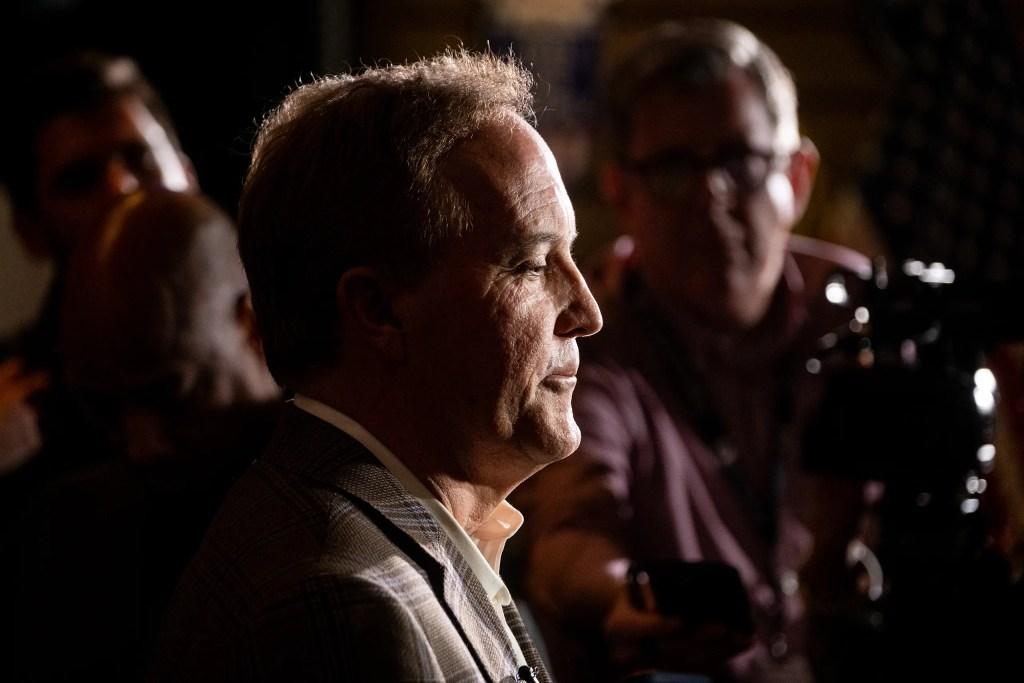
Judge Bennett pressed the Justice Department on the rationale behind allocating funds to law enforcement, asking, “Who in the settlement room said it would be a good idea to give $20 million to law enforcement?” The source of this provision was identified by Justice Department senior prosecutor Varda Hussain as stemming from the office of Texas Attorney General Ken Paxton, whose office had filed a similar lawsuit that is also expected to be resolved through the settlement. Paxton’s office has not commented on the matter.
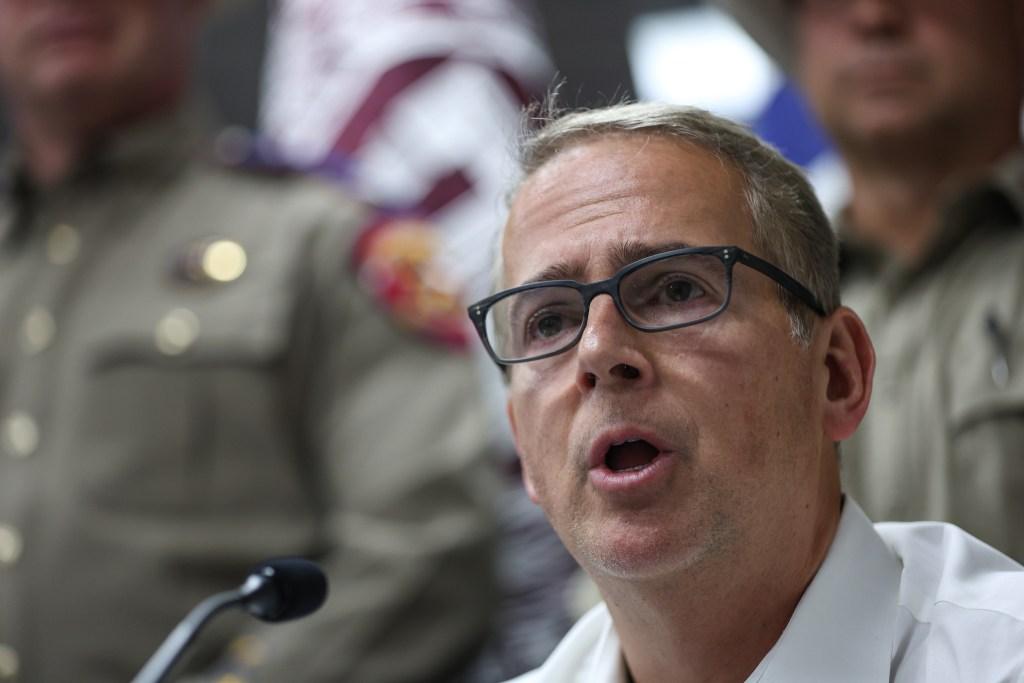
Hussain, who serves as principal deputy chief at the Justice Department, maintained that the federal government stood by the law enforcement funding despite neither the federal nor state lawsuits addressing concerns related to crime. She noted that Colony Ridge residents expressed worries about crime in the community following the lawsuit’s filing.
The settlement aims to conclude a three-year legal battle in which the Justice Department and the Consumer Financial Protection Bureau accused Colony Ridge of misleading tens of thousands of Hispanic consumers into taking out high-interest loans they could not afford, ultimately benefiting from foreclosures on their properties.
Former attorneys and investigators involved with the Justice Department and the CFPB expressed shock at the settlement reached under the Trump administration, which did not include measures to compensate victims. An analysis by the collaborating news organizations revealed that among the 183 housing and civil enforcement settlements announced by the Justice Department since 2018, only 6% lacked victim compensation, and none allocated funds for police or immigration enforcement.
Judge Bennett noted that including such a provision in a case of predatory lending is unprecedented. Approximately an hour into the hearing, he inquired whether the Justice Department and Colony Ridge’s attorneys would consider revising the settlement to secure his approval. Colony Ridge attorney Jason Ray indicated that revisions could be considered, but Hussain stated the Justice Department was not interested in making changes.
Instead, the Justice Department opted to pursue the settlement without seeking judicial approval, citing a federal law provision that allows this course of action. This decision means there will be no court oversight to ensure Colony Ridge adheres to the settlement terms. Johnathan Smith, a former deputy assistant attorney general for civil rights during the Biden administration, expressed concern that the case would effectively disappear without enforcement, stating that the Justice Department would not be able to sue Colony Ridge on the same claims in the future.
Smith characterized the settlement as a “get out of jail free card,” arguing that it neglects the victims and leaves them without recourse or assurance that their grievances will be addressed. The Justice Department did not immediately respond to Smith’s criticisms, but during the hearing, Hussain asserted that the department would ensure Colony Ridge complies with the settlement. In a court filing, the developer claimed it had already begun implementing provisions, including stricter lending standards.
Keilah Sanchez, a former landowner in Colony Ridge, expressed dismay over the settlement, which she believes fails to aid past victims. “It’s unbelievable, but at this point, I don’t expect much from these agencies,” she lamented.