









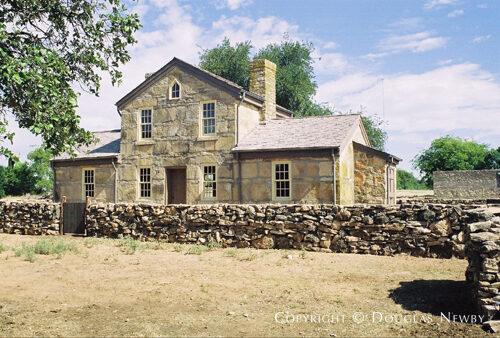
Texas Architecture: A Journey Through History and Modernity
Texas, a state rich in culture and history, boasts a diverse architectural landscape that mirrors its multifaceted identity. From the colonial missions that helped shape the early settlements to the modern skyscrapers that pierce the Texas skyline, the evolution of architecture in this vast state tells a compelling story of change and continuity. Architectural styles in Texas reflect not only the practical needs of its inhabitants but also the artistic aspirations of each era.
As one travels through Texas, numerous architectural marvels can be seen, each telling a part of the story of the state’s development. From the striking beauty of historic buildings to the sleek lines of contemporary designs, Texas offers a visual feast that captures the eye and stirs the imagination. This article delves into the historical roots and modern innovations of architecture in Texas, highlighting key styles, significant buildings, and the cultural influences that have shaped the state’s unique architectural narrative.
Historic Architecture: A Legacy of Diverse Influences
Colonial Beginnings: Spanish Missions
The foundation of Texas architecture can be traced back to the Spanish colonial period, with the establishment of missions in the early 18th century. The San Antonio Missions, including the renowned Mission San José, are prime examples of this style, characterized by thick adobe walls, arched corridors, and bell towers. These missions not only functioned as religious centers but also as community hubs, showcasing the blend of Spanish and Native American influences that defined early Texas.
The construction of these missions was rooted in practicality, designed to withstand the harsh Texas climate while offering a space for spiritual and communal gatherings. The **Mission San Juan Capistrano**, for instance, displays a beautiful blend of indigenous craftsmanship and European design principles. The use of local materials created structures that were both aesthetically pleasing and resilient, embodying the resourcefulness of early settlers.
As Texas transitioned from Spanish to Mexican rule, the architectural style evolved further. The emergence of the Mexican or Tejano architecture incorporated elements such as tile roofs, wrought iron details, and colorful facades. This style illustrated the melding of cultures, making the architecture of Texas a reflection of its socio-political changes. Buildings such as the Spanish Governor’s Palace in San Antonio stand as testaments to this rich historical tapestry, with intricate masonry and ornamental details that speak to the artistry of the time.
19th Century Growth: The Rise of Eclecticism
The 19th century heralded a period of expansion and diversification in Texas architecture, particularly with the influx of settlers and the increasing prosperity of towns and cities. Throughout this era, Eclectic architecture took root, drawing inspiration from various styles, including Victorian, Gothic Revival, and Beaux-Arts. The famous Texas home often featured a combination of these influences, resulting in a visually stimulating environment reflective of the creative spirit of the time.
One of the notable architectural feats from this era is the Texas State Capitol in Austin, completed in 1888. Constructed from pink granite, this grandiose structure exemplifies the Renaissance Revival style, boasting intricate interior designs and expansive grounds. The Texas State Capitol not only serves as the seat of government but is also a beloved symbol of Texas identity, embodying both history and pride.
The industrial revolution brought about new materials and technologies, which further influenced architectural designs. The use of steel frames and large glass windows made it possible for taller structures to emerge. The Palace Theatre in downtown Houston showcases this transition beautifully, presenting a façade that captures the glamour of the 1920s while remaining functional for the growing urban population. This melding of old and new has become a hallmark of Texas architecture, as towns worked to preserve historic sites while integrating modern elements.
Modern Architecture: Innovation Meets Tradition
Contemporary Masterpieces
The modern era of architecture in Texas is characterized by a bold departure from tradition, embracing innovation and sustainability. Contemporary architecture reflects a commitment to creative expression, functionality, and environmental consciousness. Architects like Michael Hsu and Rick Archer have become prominent figures in the Texas architectural scene, known for their innovative designs that often incorporate natural materials and local influences.
One prime example of modern architecture in Texas is the iconic Texas A&M University’s John C. Mather Building for Energy and the Environment. This building blends cutting-edge sustainable technology with school spirit and function, showcasing a commitment to both education and environmental responsibility. Green roofs, rainwater harvesting systems, and energy-efficient designs exemplify how contemporary architecture in Texas is addressing pressing environmental concerns.
Another standout is the Perot Museum of Nature and Science in Dallas, designed by renowned architect Thom Mayne. The museum features a distinctive angular façade that challenges traditional forms, representing a dynamic space for science and education. The innovative use of materials and attention to interactive design create an engaging environment that speaks to the future of Texas architecture.
The Urban Landscape: Blending Old and New
As Texas cities continue to grow and evolve, the architectural landscape has become a vibrant tapestry of the old and the new. Urban areas such as Austin, Dallas, and Houston are witnessing a revitalization of historic neighborhoods, where adaptive reuse of historic structures complements modern development. These adaptations preserve the narrative while meeting contemporary needs, creating a rich cultural milieu.
For instance, the High Line Park in New York City has inspired similar projects in Texas, leading to the transformation of disused railway lines into vibrant urban parks. One such project is the Katy Trail in Dallas, which has transformed an abandoned railway corridor into a thriving recreational space while retaining the essence of its historical roots.
Moreover, the juxtaposition of historic buildings against modern skyscrapers, especially in cities like Austin and San Antonio, captures the essence of Texas’s architectural journey. The incorporation of glass towers alongside *Mission-style buildings* exemplifies how Texas embraces its past while looking forward, creating a unique skyline that tells a story of resilience and growth.
The Cultural Impact on Texas Architecture
A Melting Pot of Styles
The diverse cultural heritage of Texas is a significant factor in its architectural evolution. The state’s history reflects a blend of Native American, Spanish, Mexican, and Anglo influences, resulting in a rich tapestry of styles that is unique to the region. This blending of cultures is most vividly illustrated in the fusion of architectural elements seen in Texas homes and public spaces.
For instance, the Mission Revival style, which gained popularity in the early 20th century, draws heavily from the historic missions that dot the landscape. It combines Spanish colonial motifs with American architectural traditions, reflecting the state’s cultural diversity. Meanwhile, Mid-Century Modern homes echo the post-war boom, showcasing an embrace of new materials and an appreciation for open spaces and integration with nature.
Texas’s architecture also reflects the historical migration patterns into the state. Artists, craftspeople, and builders from various backgrounds have left their mark, resulting in a tapestry that includes everything from *traditional ranch houses* to *contemporary lofts*. This cultural mosaic is evident in cities like Houston, where international influences have contributed to an eclectic cityscape.
Preservation Efforts and Future Developments
As modern Texas continues to develop, preservation efforts play a crucial role in maintaining the historical character and integrity of the state’s architectural heritage. Organizations such as the Texas Historical Commission actively work to protect historic buildings and promote awareness about Texas’s architectural legacy. Through programs aimed at preserving these sites, they contribute to the ongoing narrative of Texas architecture.
Future developments in Texas will likely see an increasing emphasis on sustainable architecture and smart city designs, responding to demographic shifts and climate considerations. Urban planners and architects are challenged to innovate while respecting the rich historical context, creating spaces that are both functional and reflective of the state’s diverse heritage.
The journey of Texas architecture—from its historic roots to modern innovations—continues to inspire and captivate. As the state evolves, its architectural landscape will undoubtedly reflect the ongoing dialogue between past and present, highlighting the resilience of its culture and the creativity of its people. Whether through the preservation of historic landmarks or the rise of contemporary designs, one thing remains clear: Texas architecture is an essential chapter in the story of the state, and its future is as dynamic as its past.