








Exploring Austin’s Historic Districts: A Blend of Charm and History
Austin, Texas, is renowned not only for its vibrant music scene and innovative tech industry but also for its remarkable historic districts that offer a glimpse into the rich tapestry of the city’s past. These districts are testament to the evolution of Austin, showcasing architectural styles that range from Victorian homes to mid-century modern buildings. Visitors and residents alike are charmed by the unique narratives these areas tell, making them prime spots for exploration and appreciation.
The historic districts of Austin provide an enchanting escape from the hustle and bustle of modern life. With beautifully restored buildings, lush parks, and a strong sense of community, it’s no wonder that these neighborhoods are coveted destinations for those looking to experience the city’s authentic culture. As urban development continues to rise, preserving the history and character of these districts becomes increasingly crucial, allowing future generations to enjoy the stories encased within their architectural facades.
The Evolution of Historic Districts in Austin
The story of Austin’s historic districts is intertwined with the city’s growth throughout the years. From its establishment in the 1830s as the capital of the Republic of Texas, Austin began to develop a unique architectural identity. This development was influenced by various cultural elements, including the arrival of German settlers and the impact of the cattle industry.
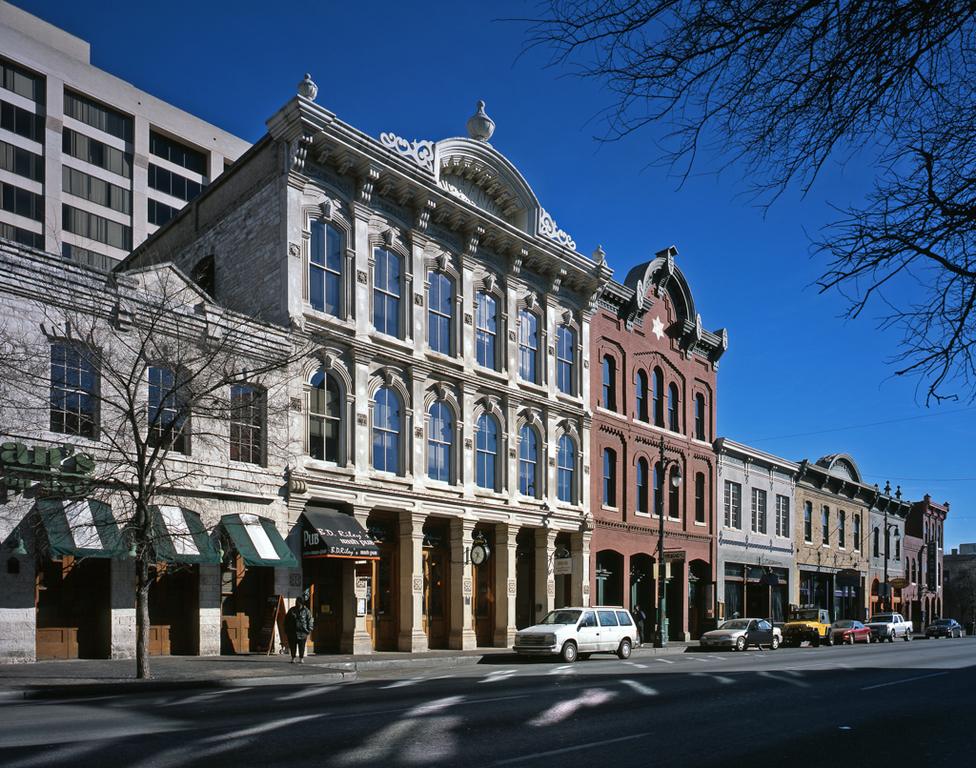
One of the city’s oldest neighborhoods, the Old West-style district along South Congress Avenue, served as a hub for trade and commerce throughout the late 19th century. Many of the buildings in this area reflect the Romanesque and Victorian styles prevalent during that era. Today, these buildings house modern shops, restaurants, and galleries, blending the old with the new and creating a vibrant atmosphere that resonates with locals and tourists alike.
The preservation of these historic sites has become a critical aspect of Austin’s urban planning. In the 1970s, city officials recognized the need to protect and maintain the architectural integrity of several neighborhoods. The establishment of conservation districts paved the way for regulations that would help retain the charm and character of these places, ensuring they remain vibrant parts of the city’s landscape.
Notable Historic Districts in Austin
1. The Clarksville Historic District
One of the most significant areas in Austin is the Clarksville Historic District, which is known for its rich African American history. Established during the 1860s, this neighborhood developed as a home for newly freed slaves and is considered one of the city’s oldest historically black communities.
Walking through Clarksville, visitors can admire houses built in various architectural styles, including Craftsman bungalows and California Mission Revival homes. The area has retained its historical character, with many buildings listed on the National Register of Historic Places. This preservation allows residents and visitors to appreciate the unique history that is woven into the very fabric of the community.
The area is also recognized for its thriving arts scene and culinary offerings. Local residents and businesses work hard to maintain the spirit of Clarksville while integrating modern amenities. This blend of history and contemporary culture creates a dynamic environment that attracts people from all walks of life.
2. The Historic Old West District
Adjacent to the lively South Congress area lies the Historic Old West District, where visitors can experience the charm of old-time Texas. This neighborhood features well-preserved buildings that date back to the 1800s, showcasing architectural influences from the region’s early settlers.
The buildings here are primarily constructed using local stone and wood, reflecting the available materials during Austin’s early days. Visitors often wander through the streets, taking note of the various businesses that occupy these storied structures, from intimate coffee shops to eclectic boutiques. The district is a living museum of sorts, where each glance tells a story about the past and present of Austin.
In addition to the historic buildings, the atmosphere of the Old West District is enhanced by open-air markets and community events. The annual South Congress Arts Festival draws crowds eager to engage with local artists and enjoy live music, further solidifying the district’s role as a cultural hub in Austin.
3. The East Austin Historic District
East Austin has undergone significant transformation over the years, evolving from a predominantly African American and Latino area to a thriving urban neighborhood. The East Austin Historic District reflects this evolution, intertwining rich cultural heritage with modern development.
This district is characterized by bungalows and colorful shotgun houses, many of which have been lovingly restored. East Austin is a testament to the city’s commitment to preserving cultural history while fostering new growth. Local organizations are dedicated to supporting community-led initiatives that ensure the voices of long-time residents are heard during ongoing gentrification.
Art plays a crucial role in the district’s identity, with murals and public installations adorning many buildings. The vibrant street art scene encapsulates the spirit of East Austin, showcasing the creativity of local artists and reflecting the community’s diversity. Coffee shops, restaurants, and bars in the area have become favorite spots for residents and visitors looking to experience Austin’s famous food scene in a cozy, historic setting.
Significance of Preserving Historic Districts
The preservation of historic districts in Austin is vital for several reasons, including cultural identity, economic vitality, and community heritage. These neighborhoods serve as testimonies to the city’s evolving narrative and provide opportunities for residents to connect with their past.
Culturally, historic districts offer a unique lens through which to view Austin’s history, showcasing how various cultural influences have shaped the city. For many residents, these areas are imbued with personal stories passed down through generations. Preserving historic architecture helps to honor these narratives, giving them a place within the urban landscape.
Economically, historic districts can be advantageous for local businesses. The charm and allure of these neighborhoods often attract tourists, who contribute to the local economy by dining, shopping, and exploring. Furthermore, historic areas tend to draw in homebuyers who appreciate the unique character and architectural details that new developments may lack.
Community heritage is preserved through education and engagement. Local schools and organizations often conduct programs that explore the history of these neighborhoods, fostering a sense of pride and ownership among current residents. By understanding the significance of these areas, community members are more likely to become invested in their preservation, ensuring future generations can enjoy their charm and history as well.
The Future of Austin’s Historic Districts
The future of Austin’s historic districts hinges on the delicate balance between preservation and development. As the city continues to grow and attract new residents, the challenge will be maintaining the unique character that defines these neighborhoods.
Community dialogue will play an essential role in this process. Local governments, preservation organizations, and residents must engage in conversations about the potential impacts of development on historic areas. This public engagement can lead to policies that prioritize preservation efforts while accommodating growth. With continued advocacy and community involvement, historic districts can thrive amidst change.
Technology can also play a significant role in preserving history. Enhanced digital archives, virtual tours, and augmented reality applications can help bring the narrative of these districts to life for those unable to visit physically. Meanwhile, social media serves as a platform for residents to share their stories and celebrate their neighborhoods, fostering a sense of belonging.
As Austin continues to grow as a vibrant multicultural hub, its historic districts present the opportunity to maintain a connection to the past. By investing in preservation and engaging with residents, the charm and unique stories of these neighborhoods will undoubtedly endure, enriching the city for generations to come.
Discovering the Charm of Austin’s Historic Districts
For anyone looking to explore the historic districts of Austin, a delightful journey awaits. Each area offers a wealth of experiences, from picturesque streets filled with character to captivating cultural events. Whether it’s a casual stroll through Clarksville, an afternoon of shopping in the Old West District, or enjoying local cuisine in East Austin, visitors will discover that these neighborhoods are much more than just historic sites—they are lively communities bursting with character and charm.
As you immerse yourself in the stories, architecture, and artistry of these areas, you’ll find a sense of connection to the history that helped shape Austin. Each brick and beam narrates tales of resilience, community, and transformation, reminding us of the beauty of preserving what has come before. So pack your walking shoes and your sense of adventure; Austin’s historic districts await your exploration!