






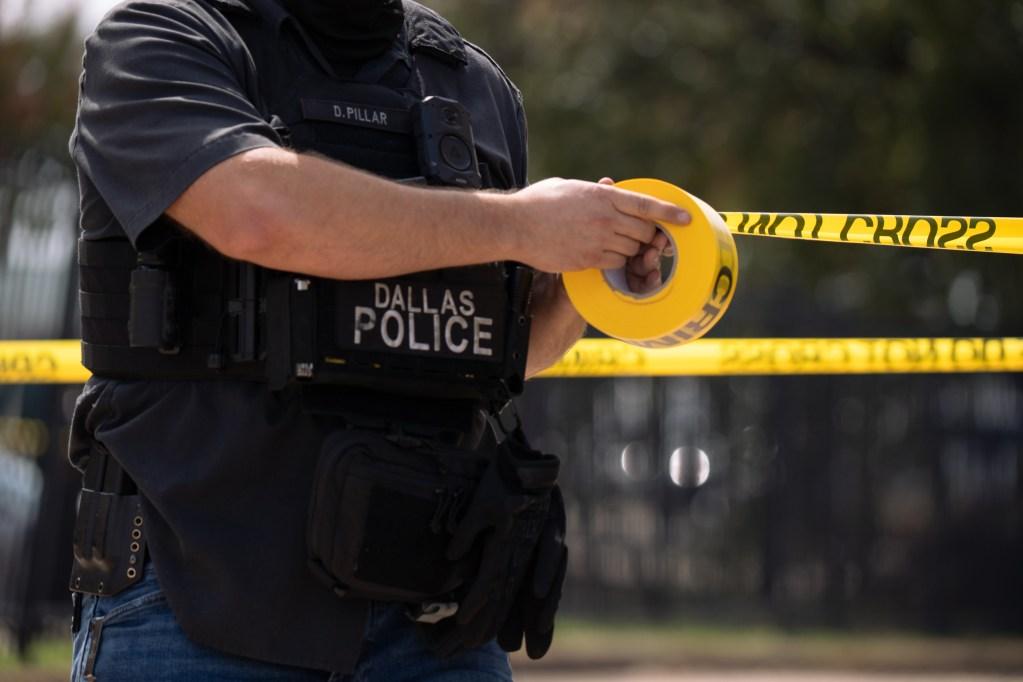
DALLAS — Texas Attorney General Ken Paxton has filed a lawsuit against city officials in Dallas, alleging violations of a voter-approved initiative designed to significantly enhance the city’s police force.
Background: In 2024, Dallas voters passed Proposition U, amending the city charter to mandate the hiring of hundreds more police officers and allocate additional tax revenue for policing and public safety pensions. Proponents of this measure expressed concerns over rising crime and public disorder, despite a decrease in crime rates since the pandemic’s peak and national recognition for the city’s effective anti-crime initiatives.
The charter amendment stipulates that Dallas leaders allocate at least half of any new revenue generated each year towards public safety pensions, with any surplus funds directed towards hiring more officers and increasing starting salaries for new recruits. It also requires the city to maintain a minimum of 4,000 sworn police officers, adjusting for population growth.
This initiative was championed by Dallas HERO, a group partly financed by Monty Bennett, a prominent hotelier and Republican donor in the Dallas area. In 2025, a joint report by WFAA, The Texas Tribune, and ProPublica highlighted concerns from critics about the potential for budget constraints on other vital city services as a result of this commitment to public safety funding.
Reason for the lawsuit: Paxton, who is currently vying for a Senate seat in a highly competitive Republican primary on March 3, accused Dallas officials of violating the charter amendment through inadequate funding of the police department. He emphasized the importance of adhering to voter mandates for law enforcement funding.
“When voters demand more funding for law enforcement, local officials must immediately comply,” Paxton stated in a press release. He articulated the need to support law enforcement amid increasing challenges and asserted that the lawsuit seeks to enforce compliance with the city’s own charter.
Paxton criticized the city’s budget chief for underestimating the amount of surplus funds available for the mandated measures, alleging that the city reported an additional revenue of $61 million when it should have been $220 million. However, the basis for this figure remains unclear, as neither the lawsuit nor the city’s budget documents provide a detailed explanation. A request for comment from Paxton’s office was not immediately answered.
City response: A spokesperson for the city declined to provide comments, citing the ongoing litigation.
Wider implications: The current budget reflects a more than 5% increase in police spending, amounting to $37.7 million. At the time the Dallas City Council approved the budget in September, the police force had approximately 3,200 sworn officers. The new directive requires the hiring of at least 350 additional officers this fiscal year. As of November, the police department’s personnel count had risen to 3,314. However, city officials have indicated that reaching the 4,000-officer threshold mandated by the charter may not be achievable until the end of the decade, according to reports from The Dallas Morning News.