








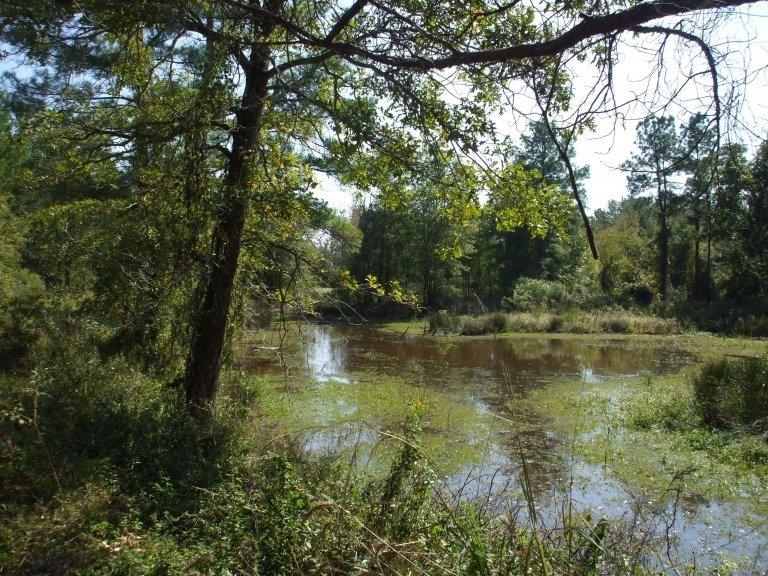
Exploring the Heart of Texas: Wildlife Refuges and Conservation Areas
Texas, the second-largest state in the United States, boasts a rich tapestry of wildlife and natural landscapes that are as diverse as its culture. Among the state’s many treasures are its wildlife refuges and conservation areas, which play a crucial role in protecting habitat and promoting biodiversity. These areas not only safeguard countless species but also provide Texans and visitors alike with a unique opportunity to connect with nature.
As urban development and climate change pose significant threats to wildlife, Texas has made strides to preserve its natural heritage. The state is home to a network of wildlife refuges and conservation areas that offer critical habitat for countless species. From vast wetlands to arid deserts, each area is a testament to successful conservation efforts and a reminder of the importance of protecting our environment.
The Importance of Wildlife Refuges in Texas
Wildlife refuges in Texas serve as sanctuaries for a myriad of species that might otherwise be endangered or extinct. The mission of these refuges extends beyond mere preservation; they also facilitate research, educational programs, and recreational opportunities for the public. Visitors can engage in birdwatching, hiking, photography, and various eco-friendly activities while being surrounded by the stunning scenery that characterizes the Lone Star State.
One of the primary benefits of wildlife refuges is their role in maintaining viable ecosystems. They function as critical habitats for both resident and migratory species. For instance, the Aransas National Wildlife Refuge, located on the central Texas coast, is renowned as a wintering habitat for the endangered whooping crane. Protecting such habitats is imperative not just for the species they host, but for the overall health of regional ecosystems.
In addition to their ecological significance, these refuge areas also contribute to local economies through eco-tourism. By attracting visitors who wish to experience Texas’ natural wonders, refuges help stimulate economic growth in surrounding communities. This symbiotic relationship highlights the dual role that conservation areas play in promoting environmental health while supporting human livelihoods.
Notable Wildlife Refuges in Texas
1. Aransas National Wildlife Refuge
Established in 1937, the Aransas National Wildlife Refuge spans over 115,000 acres along the Gulf Coast. It is primarily known for providing essential habitat for the whooping crane and is the only place in the U.S. where these magnificent birds are known to nest. Every winter, the refuge becomes a sanctuary for these cranes, drawing birdwatchers and wildlife enthusiasts from across the nation.
The area features a mix of marshes, estuaries, and uplands that support a diverse array of wildlife. Visitors may also encounter a variety of species, including alligators, deer, and countless bird species such as ospreys and roseate spoonbills. In addition to birdwatching, the refuge offers hiking trails, a visitor center with educational exhibits, and opportunities for photography.
Efforts to maintain and restore natural habitats within the refuge are ongoing, and this commitment has resulted in a thriving environment that continues to attract researchers and conservationists. Educational programs aimed at increasing awareness about the importance of biodiversity are paramount in fostering a conservation-minded community.
2. South Texas Refuge Complex
The South Texas Refuge Complex includes multiple areas, such as the Lower Rio Grande Valley National Wildlife Refuge and the Santa Ana National Wildlife Refuge. This complex represents one of the most diverse ecosystems in the United States, home to over 500 species of birds, numerous mammals, reptiles, and unique plant life.
The refuges in this complex protect critical habitats threatened by urban expansion and agricultural development. The Lower Rio Grande Valley is recognized for its exceptional birdwatching opportunities, featuring species that are rarely found further north. Birding hotspots, trails, and observation platforms enhance visitor experiences while promoting conservation.
Santa Ana National Wildlife Refuge, in particular, is famous for its lush subtropical landscape. The refuge not only serves as a haven for wildlife but also as a site for serious ecological research. Conservation initiatives here focus on habitat restoration, as well as fostering safe passage for migratory species through urban landscapes.
3. Big Bend National Park
Big Bend National Park is perhaps one of Texas’s most iconic natural areas, known for its dramatic desert landscapes, rugged mountains, and the winding Rio Grande. While it is not exclusively a wildlife refuge, the park plays a vital role in local and regional wildlife conservation. This vast area is home to a diverse range of fauna, including black bears, coyotes, and Mexico’s rarest bird species, the hummingbird.
Visitors to Big Bend can explore more than 800,000 acres of wilderness, where hiking, camping, and stargazing are popular activities. The park’s commitment to conservation is evident in its management practices, which focus on preserving natural processes and protecting native species from invasive threats.
The park serves as a prime opportunity for scientific research, as its remoteness and unique habitats provide valuable insights into desert ecology. Educational programs are offered to enlighten visitors about the park’s ecological diversity and the ongoing conservation efforts necessary to ensure its survival.
Conservation Challenges in Texas
Despite the successes of conservation areas and refuges, Texas faces numerous challenges in wildlife preservation. Urbanization, agricultural expansion, and climate change continuously threaten the delicate balance of ecosystems across the state. As human populations grow, natural habitats are increasingly fragmented, placing immense pressure on wildlife and reducing their chances of survival.
One of the most pressing issues is the degradation of wetlands, which provide essential services such as flood protection, water filtration, and wildlife habitat. Efforts are being made to restore these areas, but they often require significant investments of time and resources. Additionally, wildlife corridors essential for migration are becoming obstructed by roads and urban development, further complicating the survival of migratory species.
The impact of climate change cannot be understated; rising temperatures and shifting weather patterns are altering habitats, forcing species to adapt or face extinction. For Texas’ wildlife, adaptation may not be an option. As these changes become increasingly pronounced, wildlife managers will need to implement innovative strategies to mitigate negative impacts on both flora and fauna.
The Role of Communities in Conservation
Community engagement is a crucial component of effective wildlife conservation in Texas. Numerous grassroots organizations work tirelessly to raise awareness and mobilize support for local conservation initiatives. These organizations often provide volunteers, develop educational programs, and promote sustainable practices among residents.
Recreational activities, such as nature walks and clean-up events, foster a connection between communities and their surrounding environments. By engaging citizens in hands-on conservation efforts, these organizations help cultivate a population that values and understands the necessity of preserving Texas’ rich biodiversity.
In addition, partnerships with schools and educational institutions have enabled conservation groups to reach younger audiences. Programs focused on environmental education teach children the value of ecosystems and the importance of conservation, nurturing the next generation of wildlife advocates. Through these efforts, communities not only encourage stewardship of natural resources but also promote a lasting legacy of conservation in Texas.
Looking Ahead: The Future of Texas Wildlife Conservation
The future of wildlife conservation in Texas hinges on collaborative efforts among government agencies, non-profit organizations, and local communities. As the state grapples with ongoing environmental challenges, innovative strategies will be key to ensuring the survival of many species. Adoption of conservation practices such as habitat restoration, sustainable land use management, and climate resilience planning will be imperative to protect Texas’ unique wildlife.
Moreover, increasing public awareness through education and outreach initiatives can enhance community involvement and foster a deeper understanding of the complexities of wildlife conservation. As Texans unite in their efforts to preserve their ecological heritage, the legacy of their commitment to conservation will resonate for generations to come.
True appreciation of nature and the urgency of its protection lie within the hearts and minds of those who inhabit these lands. Texas wildlife refuges and conservation areas not only protect wildlife but also serve as a reminder of our responsibility to hold steadfast in the fight for a sustainable future.
The tapestry of life that continues to thrive in these refuges is a testament to what can be accomplished when communities come together for a common cause, and with continued dedication, the future remains bright for Texas’ rich and diverse wildlife.