








A recent assessment of Corpus Christi’s water crisis timeline has been extended by three months, following significant rainfall in April. While this precipitation has alleviated immediate emergency concerns, it has not been enough to completely resolve the ongoing drought affecting the region.
Initially, city officials were preparing for a Level 1 water emergency, which occurs when water demand is expected to outstrip supply within a six-month period, by September. However, the recent rains have pushed this projection back to December, providing city leaders additional time to strategize for the impending crisis.
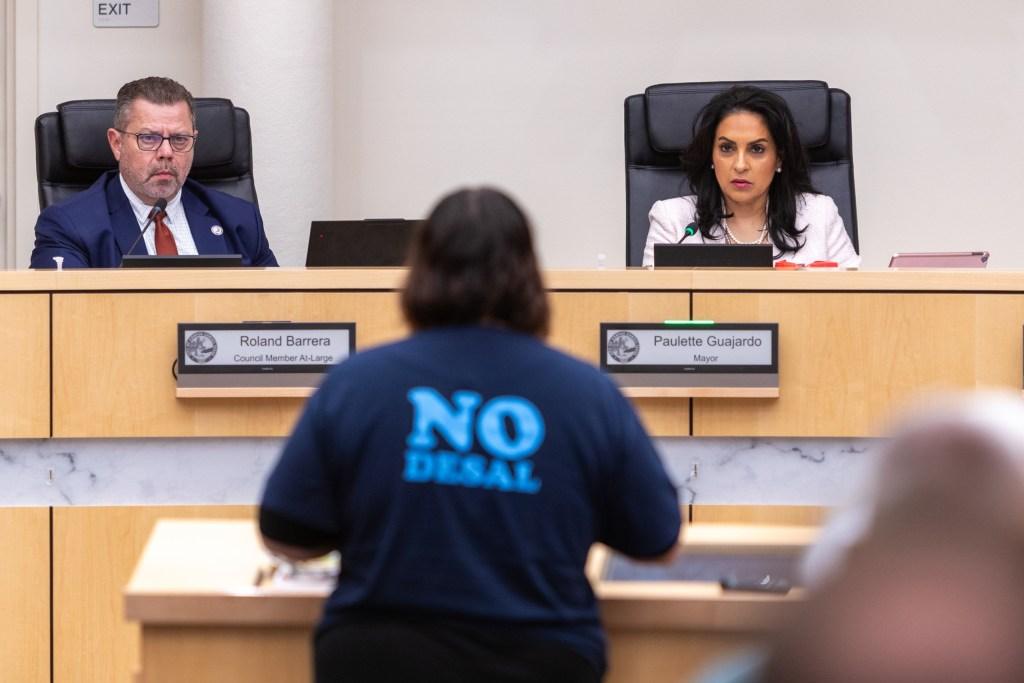
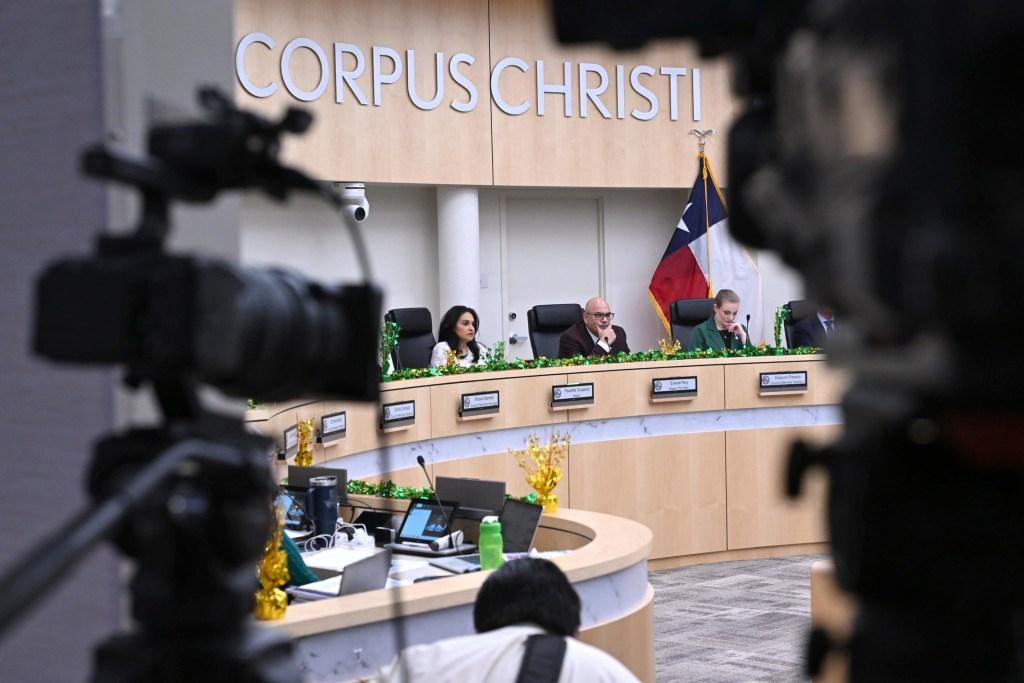
“This delay offers some very encouraging news,” stated Nick Winkelmann, the chief operating officer of Corpus Christi’s water department, during a City Council meeting on Tuesday.
The improved forecast is primarily attributed to Lake Texana, one of the city’s key reservoirs, which saw its capacity rise from 55% to 76% last month. In contrast, the two other reservoirs that support the city are at critically low levels: Lake Corpus Christi is just over 10% capacity, while Choke Canyon sits at a mere 7% capacity.
Winkelmann cautioned that while the current data is promising, it does not account for any potential rainfall in the future. The city has been relying on a combination of temporary measures, including the addition of more than a dozen newly drilled wells, to provide sufficient water for its population of 318,000 residents, along with a substantial petrochemical industry and an additional 200,000 people across a seven-county area.
Industrial usage constitutes approximately 60% of Corpus Christi’s total water demand. In anticipation of the emergency, city leaders have been developing an emergency curtailment plan, with a vote scheduled for June 2. The water department’s proposal includes a 25% reduction in water usage for all customers, including residents and oil refineries, during a Level 1 emergency.
Under the proposed plan, the monthly baseline water usage for residents would be set at 8,000 gallons per household, which would be reduced to 6,000 gallons during an emergency. Any usage beyond this threshold would incur additional charges of $4 for each extra 1,000 gallons used, with charges increasing to $8 for amounts exceeding 8,000 gallons.
Commercial entities, such as businesses and apartment complexes, would have their baseline water usage assessed individually, based largely on their average monthly consumption from 2021 to 2023. Council Member Eric Cantu expressed concern about categorizing apartment residents as commercial customers, emphasizing that “apartments are homes also.”
In response, Winkelmann indicated that the water department plans to consult with the local apartment association this week to explore potential solutions.