









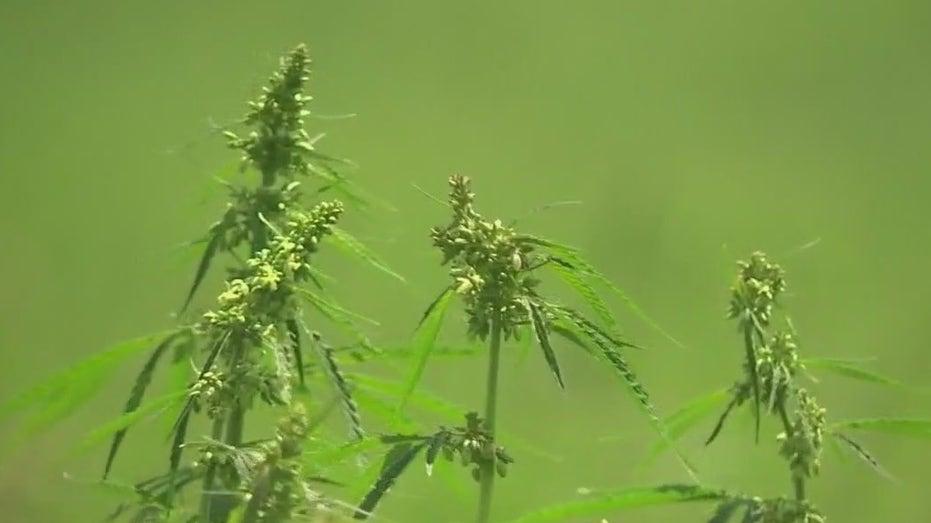
Texas lawmakers are gearing up for another legislative session that could bring significant changes to the state’s THC industry. A recent public hearing held by the Texas Senate Committee on Health and Human Services focused on the societal impacts associated with the consumption of THC products.
During the hearing, lawmakers examined the correlation between THC use and rising health care costs, increased mental health emergency detentions, and the potential for THC-induced psychotic disorders. Although no immediate decisions were reached, any proposed amendments to THC regulations will be presented during the 2027 legislative session, which begins in January.
At the hearing, law enforcement officials and medical professionals provided testimony, highlighting concerns regarding the safety of THC products available in Texas. Steve Dye, Chief of the Allen Police Department, noted discrepancies between labeled THC content and actual amounts found in seized products. “When we’ve tested these products in a certified lab, we’ve often found that the THC content far exceeds what’s indicated on the label,” he stated.
Experts are alarmed by the increasing medical emergencies linked to THC consumption. Dr. Dominic Lucia, an emergency medicine specialist, reported a dramatic rise in poison center calls related to THC, skyrocketing from 700 in 2018 to over 2,600 in 2025. He also emphasized a troubling increase in emergency department visits due to cannabis overdoses, particularly among youths.
Supporting these claims, Dr. Manda Hall of the Department of State Health Services revealed that from January 2021 to May 2026, the Texas Poison Center Network received over 10,000 calls related to THC exposure, with more than half involving individuals aged 19 or younger.
Amid ongoing disputes in the hemp industry, Senator Charles Perry, Vice-Chair of the Senate Committee, expressed plans to introduce a new bill aimed at banning THC. Perry previously authored a bill in 2025 that sought to prohibit the sale of consumable hemp products containing any detectable THC, a measure that was ultimately vetoed by Governor Greg Abbott, who recommended stricter regulations instead.
In response to new rules enforced by the Department of State Health Services, which require lab testing for THC levels, many vendors across Texas have had to remove smokable hemp products from their inventory. The hemp industry is now embroiled in legal challenges against these regulations, claiming they threaten the viability of their businesses.
Senator Perry criticized the hemp industry, suggesting that they deliberately create legal challenges to delay regulations while expanding their market. “They know they are going to get laws passed against them, and then they sue and tie it up for decades,” he stated.
Industry representatives, however, are pushing back against the criticisms emphasized during the committee hearing. Lucas Gilkey from Hometown Hero, an Austin-based hemp company, remarked on the negative portrayal of hemp products, highlighting their benefits for veterans and others in need.
The Texas Hemp Business Council echoed these sentiments in a statement, advocating for evidence-based evaluations of hemp-derived products. They argued that regulations should not be overly restrictive, as prohibition often leads consumers to unregulated markets, heightening risks.
While no resolutions were made during the Senate Committee hearing, stakeholders anticipate that discussions around THC regulation will intensify as the upcoming legislative session approaches.