





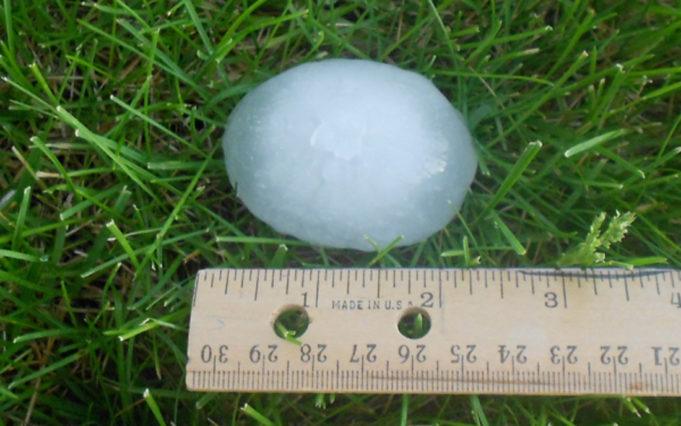
Hailstorms can be quite daunting, especially for residents of North Texas, where they are a common occurrence during storm season. Known as the hail damage capital of the United States, many drivers find their vehicles pockmarked with golf ball-sized dents after a storm.
Many people instinctively believe that traditional bodywork is the only solution for hail damage. While this method is certainly an option, it tends to be more costly and time-consuming, often involving extensive repainting. For those looking to save money and time, paintless dent repair (PDR) is frequently the more advantageous choice due to its affordability and efficiency.
There is a common misconception that PDR is only suitable for minor dents, such as those caused by shopping carts or parking lot incidents. In reality, paintless dent repair is widely utilized for a significant number of hail damage repairs across North Texas each year.
Provided that the paint remains intact, a skilled PDR technician from a local company like TrueForm Dent Repair can typically remove dents without the need for sanding, fillers, or repainting. Modern PDR techniques can address hundreds of dents on a single vehicle while preserving the original factory finish, which is crucial since factory paint generally lasts longer than a subpar repaint.
Many believe that traditional bodywork guarantees a superior and more durable outcome. However, this is not always the case. Traditional repairs often involve sanding, applying fillers, repainting, and blending colors, which can negatively impact a vehicle’s resale value if the repainting is noted in vehicle history reports. Color matching can also pose challenges, especially for older cars that have been exposed to the harsh Texas sun.
PDR circumvents these issues by reshaping the original panel rather than replacing or covering it. This process not only maintains the integrity of the vehicle but also preserves its value.
Another prevalent myth is that insurance companies frown upon paintless dent repair. In truth, many insurers prefer PDR for hail claims because it is generally more economical and quicker than traditional methods. PDR requires fewer replacement parts and repainting materials, which can expedite the claims process, allowing drivers to get back on the road sooner during peak hail season. It’s important to note that just because an insurance adjuster suggests a specific repair shop, you are not obligated to accept their recommendation; you have the right to choose a repair service you trust.
In summary, paintless dent repair is often a faster and more cost-effective alternative to traditional bodywork for hail damage. However, it is essential to select a repair shop that will provide honest assessments about when PDR is appropriate and when traditional repairs are necessary.