






Residents of East Austin, particularly those living near the Colorado River, are voicing their concerns over a significant development project approved by the Austin City Council with minimal public involvement. The initiative, which encompasses 2,600 acres, aims to introduce housing, retail spaces, and offices, with Amazon’s robotics division set to become the primary tenant.
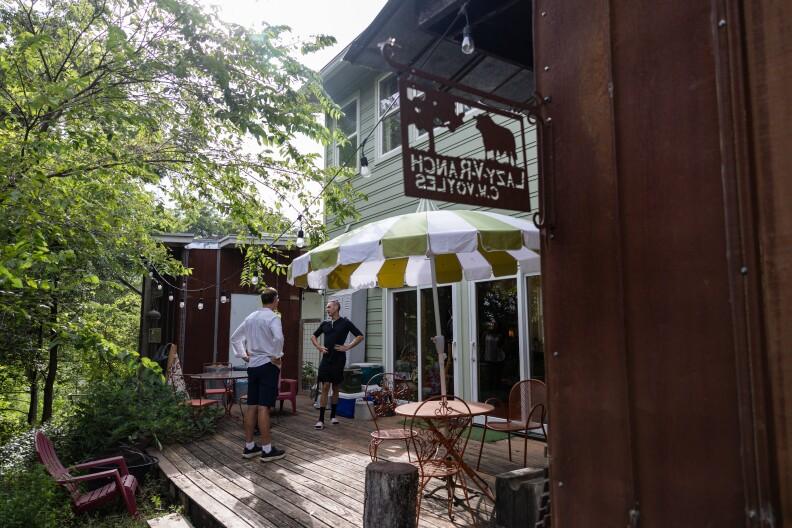
Lee Edwards, president of the South East Colorado River Neighborhood Association, has resided on Hergotz Lane for nearly two decades. He described the area as a unique river community, characterized by its natural beauty, wildlife, and a strong sense of connection among neighbors. “This is a river neighborhood, a river community,” he emphasized, noting the tranquility and rural feel despite its proximity to urban infrastructure.
His neighbor, Garrett Tung, who has lived nearby for five years, echoed this sentiment, highlighting the peaceful lifestyle and the remarkable wildlife that inhabit their surroundings. The community is affectionately referred to as Dog’s Head due to the shape of the river that curves around the neighborhood.
Despite the charm of the area, the recent approval of the development has sparked anxiety among residents, who feel blindsided by the city’s planning process. Edwards and Tung expressed their discontent, stating that the rapid progression of the project has caught them off guard. “The way that this has been done has been shocking,” Edwards remarked, asserting that while the neighborhood is not opposed to development, the lack of transparency is concerning.
Residents were informed of the development only two days before the council’s decision, learning about the project from informal channels rather than official notifications from the city. Edwards recounted receiving a call from a friend who spotted the agenda item, which led to a hastily organized neighborhood meeting and subsequent appearances at the city council.
The developer’s attorney stated that the project has been in discussion for several years, yet city officials have not clarified why the community was excluded from early planning stages. They indicated that the expedited decision-making was necessary to secure Amazon as a tenant.
Tung emphasized the need for community input moving forward, expressing a desire for clearer communication regarding the project’s impact on local traffic and the environment. He articulated that residents want to be involved in shaping the development, ensuring it aligns with the needs of the community.
Austin City Council Member José Velásquez, who represents the area, acknowledged the residents’ concerns and voted against the project, stating, “I feel we could’ve done better.” He assured that efforts would be made to improve communication with the community during major developments in the future.
Edwards is committed to protecting the interests of his neighbors, advocating for a development that respects both the environment and the existing community. He believes that thoughtful planning is essential to create a project that serves the residents’ needs.
Tung added that the development should provide tangible benefits to the neighborhood, favoring residential and well-planned retail options over industrial use. “It’s not heavy industry and data centers and all these companies and industries that make such bad neighbors,” he stated.
While construction has commenced, significant decisions remain, and Velásquez has promised that community members will be involved in the ongoing process. The final approval of the development is not anticipated until next year, leaving residents hopeful for a more inclusive planning approach.