








Proposals for new data centers are emerging in various neighborhoods throughout Texas, raising numerous questions among residents about their potential impact. However, information regarding these projects is often limited, as companies frequently cite the need to protect proprietary information to maintain a competitive advantage.
Tech firms can enter into nondisclosure agreements with local officials, which restrict the sharing of information and allow them to use shell companies to obscure their identities in public records. Additionally, data concerning energy and water consumption submitted to the state and its power grid operator is often challenging to access, incomplete, or simply not available to the public.
Information Accessibility Varies
The extent of accessible information about a data center project can vary significantly based on local regulations, the necessity of tax incentives, and whether the project requires rezoning or special permits. How a project will secure its power and water supply also influences the availability of information.
Residents and policy experts are utilizing local and state public records, as well as private data companies, to uncover details about data centers. In some instances, data center proposals necessitate approvals from city councils or county commissions, providing an opportunity for community input and additional details.
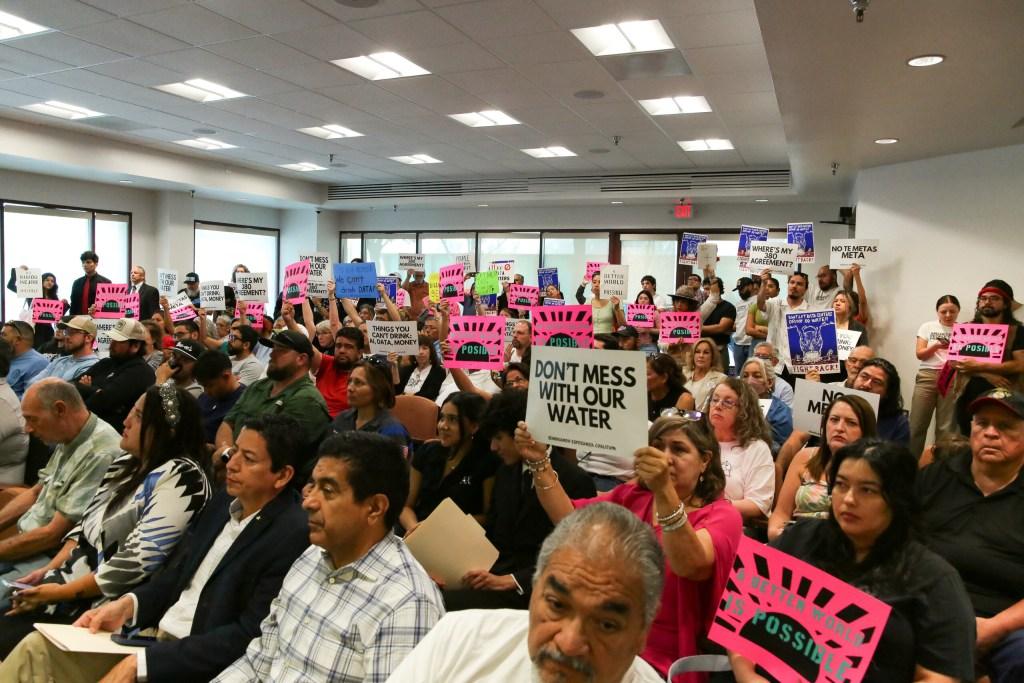
If a proposed data center is situated in an area governed by a local zoning board or if the developer is attempting to use public land, public meetings and notices may be available, allowing residents to voice their opinions as mandated by the Texas Open Meetings Act.
Understanding Property Ownership
Most property records, including deeds and land surveys, can be accessed through the county where the property is located. Contacting the county clerk’s office is recommended for assistance. Some county appraisal districts offer online tools for property searches that may help identify property owners. However, it can be challenging to determine if a data center is involved in a property transaction due to the use of obscure company names.
The Texas Comptroller and Secretary of State maintain databases containing some public information from mandatory business filings, including franchise tax accounts, though accessing the Secretary of State’s database incurs a fee per search.
Energy Consumption Insights
Large data center developments must receive approval from the Electric Reliability Council of Texas (ERCOT) to connect to the state’s power grid. While ERCOT considers project-level data private, it provides aggregate information about total power requested by all large projects. As of June, ERCOT reported requests for 466,497 megawatts from data centers, a figure that exceeds the highest power level the grid has ever provided.
Energy experts express skepticism that all proposed projects will materialize, noting that developers often rush to submit requests in hopes of establishing early-stage projects that could later be leased for profit. To assess the viability of a data center project, experts recommend examining the financial backers, land agreements, and local government partnerships, as well as water rights and energy sources.
Water Usage Information
Information regarding water consumption by data centers is often scattered across various local utilities and regulatory bodies. To obtain specifics, individuals may need to submit a request under the Texas Public Information Act, although such requests can be denied due to privacy concerns. Most data centers are located within public municipal utilities, and the process for acquiring water data can be complicated.
In cases where data centers obtain water from wells, local groundwater conservation districts may have relevant information. However, the existence of these districts varies across the state, and establishing one requires political will. The Texas Alliance of Groundwater Districts provides an interactive map with district information.
Tax Breaks and Economic Incentives
Data center developers often seek tax incentives from state and local governments to lower operational costs. These incentives generally require commitments to job creation or economic development. Exemptions include the state’s 6.25% sales tax on relevant purchases and the cost of electricity, although the specifics of tax breaks are not publicly disclosed due to proprietary information laws.
While the Texas Comptroller maintains records of projects qualifying for exemptions, many applications are submitted through shell companies, making it challenging to identify the projects. Local tax abatement agreements are also available on the Comptroller’s website, but the lack of categorization means that individuals must know the company name to find relevant information.
Air Quality and Emissions
Permits issued by the Texas Commission on Environmental Quality (TCEQ) will indicate if a data center is constructing an on-site power plant or installing generators that emit air pollutants. However, many preconstruction permits do not require public input. The TCEQ can issue “permits by rule” for emissions from backup generators without public participation, which has led to calls for stricter regulations requiring comprehensive permit applications that consider all pollution sources.
Individuals can search for permit information through the TCEQ’s central registry, which provides access to various permit applications and their statuses.
Additional Resources for Data Center Information
Data compiled by companies like Data Center Map and Cleanview can provide valuable insights into operating and proposed data centers in Texas. The Houston Advanced Research Center has released reports on the potential impacts of data centers on water resources. Various environmental organizations also offer resources and presentations on how to engage with TCEQ permits related to data centers.
For those seeking a comprehensive understanding of data centers in Texas, numerous organizations and resources are available that detail their energy consumption, water usage, and local community interactions. Some companies, like Meta, have also shared information about their sustainability initiatives and community engagement efforts.