






Unveiling Arlington’s Historic Neighborhoods
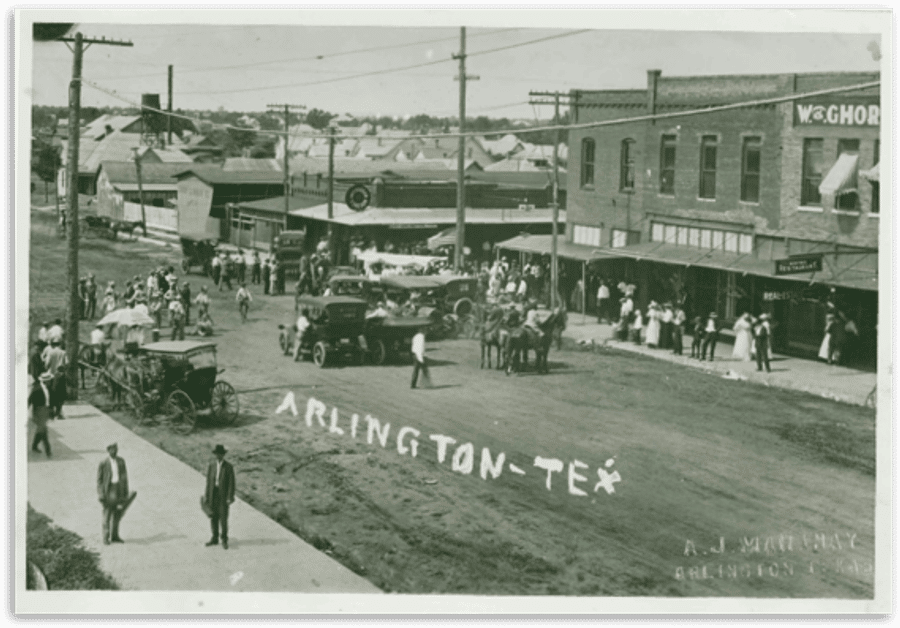
Arlington, Texas, known for its mix of urban excitement and small-town charm, has a rich tapestry of history woven through its neighborhoods. As one of the fastest-growing cities in the United States and a pivotal hub between Dallas and Fort Worth, Arlington is not only a modern destination with vibrant entertainment options but also home to areas that tell the story of its past. From mid-century marvels to Victorian charm, the historic neighborhoods of Arlington are a treasure trove waiting to be explored.
This article delves into several of Arlington’s historic neighborhoods, illuminating their unique characteristics and historical significance. Whether you’re a resident looking to deepen your understanding of your community or a visitor eager to discover the roots of this energetic city, exploring these neighborhoods offers a glimpse into Arlington’s evolution over the decades.
1. The Heart of the City: Downtown Arlington
Downtown Arlington is often recognized as the heart and soul of the city, where history meets modern urban development. This neighborhood boasts beautiful restored buildings that house a variety of shops, restaurants, and cultural establishments. Stroll through the streets, and you’ll notice the blend of old and new that defines this area.
A prominent landmark is the historic Arlington Theatre, which first opened its doors in the late 1940s. This venue has hosted countless performances and films and continues to serve as a cultural hub. The theatre’s Art Deco influence enhances the vibrant atmosphere, making it a must-visit stop for anyone looking to experience Arlington’s cultural heritage.
Several murals and public art installations dot the streets, celebrating Arlington’s history and its diverse community. The area’s revitalization over the years has not only preserved its historical elements but also infused it with a youthful energy that attracts residents and tourists alike. Notable eateries such as The Grease Monkey and Lincoln Square invite visitors to enjoy a meal while absorbing the neighborhood’s rich history.
Architectural Highlights
The architectural style in Downtown Arlington reflects a range of periods, showcasing the city’s evolution. From early 20th-century buildings designed in the Beaux-Arts style to sleek modern constructions, the architectural diversity is evident. Many of these historic structures have been preserved, offering a window into the past while serving contemporary purposes.
Particularly notable is the former Arlington City Hall, a beautiful structure that illustrates the civic pride of the early 20th century. While it now functions differently, its exterior has remained largely unchanged, serving as a reminder of the city’s governmental history.
Exploring these architectural gems not only entertains but also educates, revealing stories of entrepreneurship, creativity, and resilience that have shaped Arlington over the years. As visitors walk through the streets, they are walking in the footsteps of those who laid the foundations for Arlington’s future.
2. Historical Richness in the Johnson Station Neighborhood
The Johnson Station neighborhood presents another layer of Arlington’s historical narrative. Established in the early 1900s, this area was once the site of the Texas Electric Railway station, making it a vital transportation hub. The development of the railway spurred growth and attracted families seeking the conveniences of city life.
Today, Johnson Station retains its historical character with an array of vintage homes, many of which have been lovingly restored. This neighborhood showcases the Craftsman-style architecture that gained popularity in the early 20th century, marked by boxy shapes, low-pitched roofs, and expansive porches that invite community interaction.
Walking down the tree-lined streets, visitors can appreciate the quaint charm of historic bungalows adorned with lush gardens and inviting front porches. Each home tells a story of the families who once inhabited them and provides insight into the sociocultural dynamics of the time.
Community Engagement and Preservation Efforts
In Johnson Station, community engagement plays an essential role in maintaining the neighborhood’s historic integrity. Residents actively participate in preservation efforts, and local organizations often host events aimed at celebrating the history and promoting awareness of their heritage. These gatherings foster community spirit and encourage deeper connections among residents and newcomers alike.
The neighborhood is also home to various local businesses that embrace and honor the area’s historic character. Shops and cafes often blend modern sensibilities with nostalgic aesthetics, creating an inviting atmosphere that pays homage to the past while embracing contemporary trends.
Visitors and residents are encouraged to engage with the community through scheduled events such as historical tours, home and garden tours, and neighborhood cleanup days. This active involvement in preserving the area’s history not only honors its past but also enhances the overall quality of life for its residents.
3. The Allure of the Fielder House District
Founded in the late 19th century, the Fielder House District is one of Arlington’s most enchanting historic neighborhoods. Named after the Fielder family, prominent figures in the area’s early development, the district features a range of architectural styles, including Victorian, Colonial Revival, and Bungalow styles. Each home is a testament to the craftsmanship of the period, characterized by intricate detailing and structural elegance.
The Fielder House Museum, located within the district, serves as a focal point for visitors interested in learning about Arlington’s historical narrative. The museum, housed in a beautifully restored home, offers guided tours that delve into the life of the Fielder family and the broader themes of Arlington’s history. Visitors are often captivated by the personal stories that bring the house’s history to life.
The surrounding neighborhood exudes a vintage charm, with streets adorned by majestic oak trees and meticulously maintained gardens. Residents frequently partake in neighborhood gatherings and events that celebrate the heritage of the area, creating a tight-knit community atmosphere that is both welcoming and vibrant.
Preserving Historical Significance
Efforts to maintain the historical significance of the Fielder House District are evident in the commitment of its residents. The Arlington Historic Preservation Society regularly partners with local government entities to develop resources aimed at preserving the architectural integrity of the neighborhood. Such initiatives help maintain property values while ensuring that future generations have access to this rich history.
Additionally, educational workshops focusing on restoration techniques and historical preservation are held regularly, providing homeowners with the tools and resources they need to care for their vintage properties. This spirit of collaboration and commitment to preservation has fostered a sense of pride among residents, further enhancing the community’s historical allure.
4. The Bohemian Vibe of the Older East Side
On the eastern edge of Arlington, the Older East Side neighborhood captures a unique and eclectic spirit distinct from the city’s other historic areas. With homes ranging from vintage cottages to mid-century ranch-style dwellings, this neighborhood reflects the artistic energy of its residents. Many artists have made this area their home, contributing to its bohemian vibe.
Exploring the Older East Side is an adventure in local art and creativity. Street art, murals, and installations can be found adorning fences and buildings, making it a living gallery for those who wander through. Local coffee shops and independent boutiques often feature works from local artists, providing platforms for creativity and collaboration.
This thriving artistic community hosts events such as open studio tours, art fairs, and live music nights, where local talent can be showcased. These gatherings contribute to the vibrant character of the neighborhood and attract art enthusiasts from all over Arlington and beyond, making it a key cultural hub within the city.
Cultural Integration and Community Growth
The Older East Side has embraced cultural diversity, drawing residents from various backgrounds and fostering a welcoming environment. This melting pot of cultures is celebrated through various community events, food festivals, and cultural exchanges that emphasize unity and shared human experiences.
The neighborhood also boasts several parks and green spaces where families congregate for picnics, playdates, and outdoor activities. This integration of cultural and recreational opportunities provides residents with a well-rounded living experience, balancing the artistic vibe with community engagement.
As more individuals and families are drawn to the area, the Older East Side continues to evolve while maintaining its historical roots. This ongoing transformation reflects Arlington’s larger narrative of growth and development, showcasing the ability of historic neighborhoods to adapt while preserving their unique identities.
Arlington’s historic neighborhoods not only offer a glimpse into the past but also weave a narrative of community, resilience, and creativity. Each area holds stories of the individuals who have shaped it and contributes to the vibrant identity of the city today. Exploring these neighborhoods allows visitors to appreciate the rich history of Arlington, ensuring that the stories of the past remain integral to the fabric of its future.