






The Rich Tapestry of Arlington’s Historic Theaters and Performing Arts Centers
The city of Arlington, Texas, is often celebrated for its rich cultural landscape and vibrant entertainment scene. Nestled conveniently between the bustling Dallas and Fort Worth urban hubs, Arlington boasts a collection of historic theaters and performing arts centers that have stood the test of time and continue to captivate audiences. These venues not only reflect the city’s artistic evolution but also contribute significantly to the local economy and community spirit.
From grand stages to intimate settings, Arlington’s theaters have hosted a diverse array of performances, including live concerts, theatrical productions, film screenings, and more. The enduring legacy of these venues highlights the importance of preserving arts and culture, making Arlington a significant player in the Texas performing arts scene. As we explore these historic theaters and performing arts centers, it becomes clear that they are more than just places to watch a show; they serve as vital community hubs that foster creativity and connection.
The Historic Arlington Music Hall
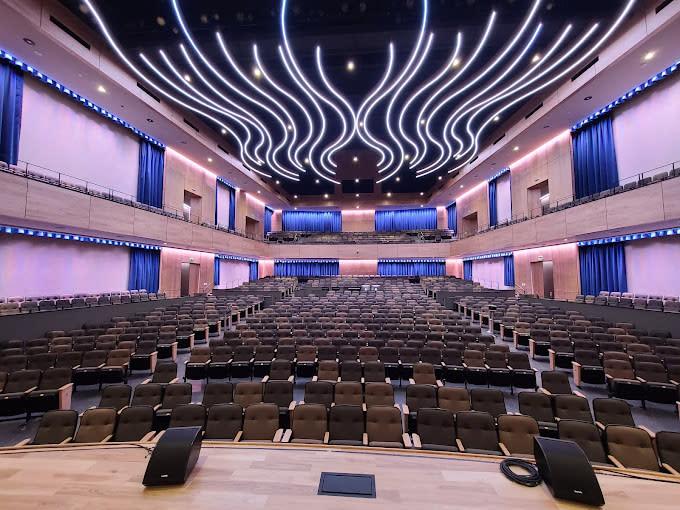
One of the crown jewels of Arlington’s performing arts landscape is the Arlington Music Hall. Founded in 1950, this iconic venue has been the center of musical and theatrical performances for generations. Originally established as a movie theater, the hall was transformed into a premier performance space, showcasing an array of local, national, and international artists. The hall itself is a stunning architectural feat, featuring elegant art deco elements that harken back to its mid-20th-century roots.
The Arlington Music Hall has hosted an impressive lineup of performances over the years, including legendary musicians such as Willie Nelson and Johnny Cash, as well as modern-day acts like Gary Allan and LeAnn Rimes. Its versatility allows for a range of events, from classical concerts to contemporary theater, making it a cornerstone of Arlington’s cultural identity. The venue’s intimate setting, with a seating capacity of around 1,000, allows for a personal connection between performers and audiences, enhancing the overall experience.
In addition to its vibrant performances, the Arlington Music Hall serves as a valuable community resource. It frequently collaborates with local schools and organizations, offering workshops and educational programs designed to inspire the next generation of artists. The hall not only preserves the history of performing arts in Arlington but actively works to cultivate its future, demonstrating the vital role that such institutions play in societal development.
Community Engagement Through Arts
The Arlington Music Hall is dedicated to fostering community engagement through various arts initiatives. Throughout the year, they host a range of events that celebrate local talent, such as talent shows and themed festivals. These initiatives provide a platform for aspiring artists to showcase their works while simultaneously enriching the cultural landscape of the city.
Moreover, the hall plays host to special events that focus on specific themes, such as Black History Month celebrations or programs supporting local veterans. These events not only entertain but also educate and promote social discussion, thereby increasing the community’s involvement in the arts.
The Levitt Pavilion Arlington
Another essential landmark in Arlington’s cultural scene is the Levitt Pavilion. Known for its stunning outdoor concert series, the Levitt Pavilion offers a unique setting for both artists and audiences. Opened in 2008, the pavilion features a state-of-the-art performance stage surrounded by a spacious lawn that accommodates thousands, making it a favorite spot for summer concerts and community gatherings.
The Levitt Pavilion’s commitment to providing access to live music and performing arts is evident in its programming. The venue hosts over 50 free concerts each year, drawing talent from various genres, including rock, jazz, country, and folk. This accessibility breaks down financial barriers and allows individuals and families to enjoy high-quality performances without the constraint of ticket prices. The pavilion’s outdoor atmosphere also fosters a sense of community, transforming the lawn into a gathering space for celebrating cultural diversity.
A Family-Friendly Atmosphere
Designed with families in mind, Levitt Pavilion Arlington often hosts family-friendly events and movie nights, ensuring that people of all ages can experience the joy of live performance. With a commitment to engaging the community, the pavilion also collaborates with local schools and arts organizations to provide educational programs for children. Such initiatives not only promote the arts but also enhance youth development through exposure to creativity and teamwork.
The Levitt Pavilion is an exceptional example of how performing arts can contribute to the well-being of a community. By providing a space where families can gather and enjoy entertainment together, the pavilion helps to strengthen community bonds and support local artists alike.
The Historic 1881 Theater
Stepping back in time, the 1881 Theater stands as a testament to Arlington’s historical significance. Originally built as a church, this venue has evolved into a theater space that hosts dramatic performances, concerts, and community events. The theater’s charm lies in its vintage ambiance, with exposed brick walls and antique decor, providing an authentic backdrop for a variety of creative productions.
Today, the 1881 Theater is home to the Arlington Theater Company, which produces a range of original plays and classic works, emphasizing local storytelling and talent. This company has developed a strong reputation within the theater community, contributing to the cultural tapestry of Arlington through its emphasis on theatrical innovation and artistic expression. The theater also promotes local playwrights by showcasing their works, thereby enriching the cultural dialogue within the community.
A Platform for Emerging Artists
The significance of the 1881 Theater extends beyond its historical architecture. It serves as an incubator for emerging talent, providing aspiring actors, directors, and playwrights with practical experience and opportunities to hone their craft. The theater offers workshops and training sessions aimed at nurturing skills in various aspects of performance and production, ensuring that the vibrant art scene in Arlington continues to thrive.
Furthermore, the venue fosters collaboration among local arts organizations, creating a comprehensive network that encompasses diverse disciplines and styles. This collaborative spirit not only enriches the local performing arts scene but also significantly boosts community engagement, as residents come together to support one another’s creative endeavors.
Impact on Local Economy and Society
The arts and culture sector, particularly the historic theaters in Arlington, plays a critical role in driving the local economy. Studies have shown that communities with strong arts programs experience enhanced economic growth, increased tourism, and a robust job market. The theaters contribute significantly by attracting both local residents and tourists who come to experience the vibrant performances, creating demand in nearby restaurants, hotels, and shops.
Moreover, the presence of these cultural venues elevates Arlington’s profile as a destination for arts and entertainment in Texas. Tourists are increasingly drawn to the area, spurred by a rich calendar of events and performances hosted by local theaters. Economic impact reports indicate that these venues can generate millions in revenue annually, underscoring their importance to the city’s financial health.
Enhancing Quality of Life
Beyond economic contributions, the historic theaters profoundly impact the quality of life in Arlington. Cultural amenities have been linked to various social benefits, including fostering community ties, enhancing educational outcomes, and promoting diversity through artistic expression. By providing access to a variety of performances and artistic programs, Arlington’s theaters play a pivotal role in creating a vibrant community that celebrates its cultural heritage.
Moreover, participation in the arts has been shown to reduce stress and promote mental health. The emotional connection fostered between performers and audiences in these venues creates shared experiences that bring people together, strengthening the social fabric of the community. It is this powerful connection that makes Arlington’s historic theaters and performing arts centers irreplaceable landmarks.
The Future of Performing Arts in Arlington
As Arlington continues to grow and evolve, so does its commitment to preserving and promoting the arts. The historic theaters and performing arts centers remain vital to this mission, adapting to new trends while holding true to their foundational values. Looking forward, it is essential to ensure that these venues receive the necessary support and investment required to thrive in an ever-changing cultural landscape.
Engaging the community is central to the future success of Arlington’s performing arts. By fostering partnerships with schools, businesses, and local organizations, these theaters can expand their reach and further support local talent. Initiatives aimed at securing funding and resources for arts programming are crucial in maintaining the momentum that has been built over the years.
Encouraging the Next Generation of Artists
Furthermore, as the spotlight on Arlington grows, it is essential to nurture the next generation of artists and creative thinkers. Opportunities for young people to engage in the arts—through workshops, internships, and hands-on experiences—can inspire a lifelong passion for creativity. Ensuring that young people have access to quality arts education is fundamental to cultivating future generations of performers, artists, and audiences.
The future of performing arts in Arlington is bright, anchored by historic venues that have paved the way for artistic innovation. With continued community support and engagement, Arlington’s theaters can continue to flourish, enriching both the local community and the broader cultural landscape of Texas.