







Austin City Council has decided to remove an item from its agenda that was set for a vote on the implementation of artificial intelligence (AI) security cameras in city parks. This decision came amidst protests from community members who are opposed to the use of AI surveillance, who hailed the council’s move as a “temporary victory.”
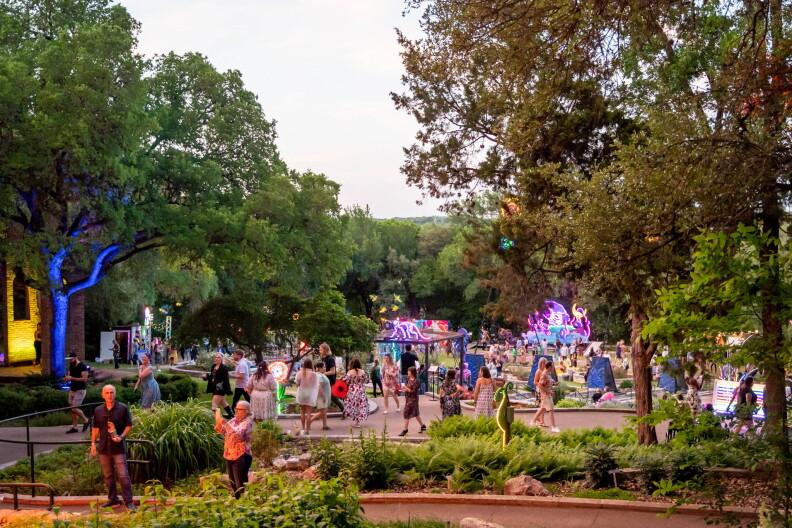
During a recent work session, the council chose to pull the item, which had been slated for a vote later in the week. Despite the postponement, protesters gathered to express their relief and celebrate, voicing their concerns regarding AI surveillance in public spaces like parks and swimming pools.
While the council will not deliberate on the matter this week, the discussion surrounding AI surveillance is expected to continue. A protester noted, “It’s the Live View Technologies contract, and it was pulled in the last hour from the agenda.”
The city council has been contemplating the installation of security cameras as a measure to combat vehicle break-ins in parks. One protester questioned the effectiveness of spending approximately $2 million on AI cameras that communicate with park-goers through robotic voices, stating, “It is difficult to understand how this translates to greater safety for Austinites.”
The proposed five-year contract would incur an annual cost of about $400,000, sourced from the Parks and Recreation Department’s budget. Although the council will delay its vote, the discussion regarding security cameras in parks is expected to resurface next week.
Amanda Ross, the division manager for natural resources at the Parks and Recreation Department, emphasized the need for safety in public spaces, stating, “Our goal is to serve the community members who want to visit the spaces and don’t feel safe because of break-ins.” However, she also acknowledged the potential discomfort that surveillance cameras might create among park visitors.
The department had previously initiated a pilot program that involved the installation of camera trailers in parks to address increasing reports of break-ins. The presence of these cameras reportedly led to more than a 50% reduction in car burglaries and other crimes while they were deployed until August 2025.
Council Member Krista Laine highlighted the effectiveness of the cameras, citing specific cases where their absence led to a resurgence in vehicle break-ins at parks like St. Edward’s Greenbelt Park.
During the work session, a police officer testified about the importance of camera technology in solving crimes, explaining that without it, investigations would rely heavily on witness accounts, which are often scarce in fast-paced burglary situations.
Critics of the proposed surveillance cameras have raised concerns about the potential misuse of taxpayer funds, as well as issues surrounding data privacy and monitoring by the AI surveillance providers. One concerned citizen expressed apprehension about the safety of her child in public areas equipped with such technology, referencing disturbing incidents linked to AI systems.
In response to these concerns, some council members have suggested the introduction of the TRUST Act, which aims to regulate the adoption of surveillance technologies, including banning facial recognition and preventing data collection for marketing purposes, along with mandating annual reports.
Mayor Watson proposed delaying further discussions on the matter until the next scheduled meeting later in the month to ensure that the community can engage in a thorough examination of the issues at hand.