


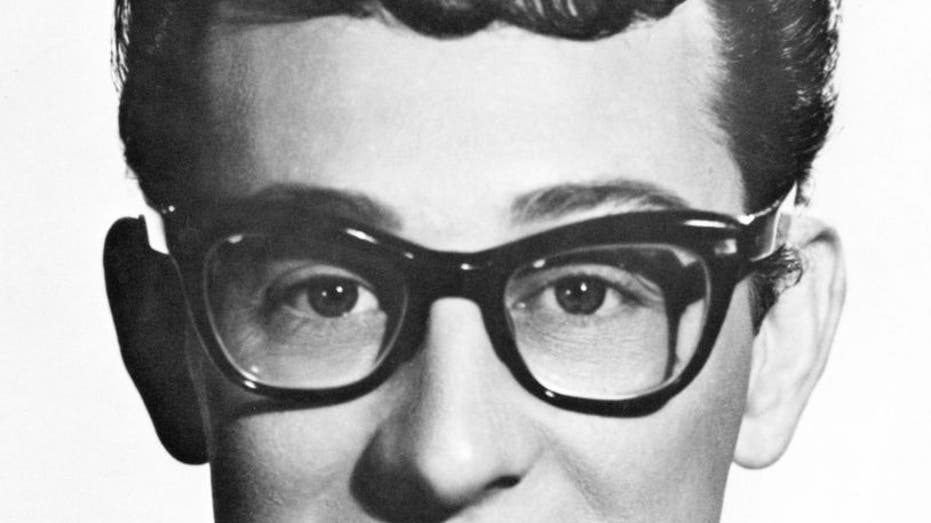
On February 3, 2026, the music world commemorates the 67th anniversary of a tragic event that came to be known as “The Day the Music Died.” This somber day marks the loss of three legendary musicians: Buddy Holly, Ritchie Valens, and Jiles Perry Richardson Jr., famously known as The Big Bopper, who perished in a plane crash near Clear Lake, Iowa, on February 3, 1959.
The musicians had chartered the flight to escape the frigid conditions of a tour bus that lacked heat. In a twist of fate, Valens and The Big Bopper secured their seats on the plane through a coin toss and a favor. The crash, which also claimed the life of the pilot, Roger Peterson, occurred shortly after takeoff, casting a long shadow over the music industry.
Timeline of Events
On that fateful day, Holly, The Big Bopper, and Valens were en route to Fargo, North Dakota, as part of their Winter Dance Party Tour, which spanned 24 cities in just three weeks, with Holly as the primary headliner. Accompanying them were Waylon Jennings and Tommy Allsup, who served as backup musicians. They had just performed to a sold-out audience of over 1,500 fans at the Surf Ballroom in Clear Lake on February 2, 1959.
Following the performance, Holly arranged for a flight aboard a 1947 Beechcraft Bonanza to ensure a more comfortable journey. Two other musicians were given the option to join him for a fare of $36 each. Jennings, who was initially set to fly, relinquished his seat to The Big Bopper due to a cold, while Allsup was set to fly until Valens proposed a coin toss for the seat, ultimately winning the chance to board.
The plane took off around 1 a.m. from Mason City Airport but tragically crashed only minutes later in a cornfield, resulting in the immediate deaths of all four individuals on board.
The funeral for Buddy Holly took place on February 7 in Lubbock, Texas, attracting over a thousand mourners at the Tabernacle Baptist Church. While his birth name was Holley, he adopted Holly as his stage name, which remains iconic to this day.
Legacy and Memorials
In a poignant reflection on the past, Waylon Jennings later recounted in his autobiography how he felt regret for being on the bus that night, expressing that his last words to Holly were ominously, “I hope your damn plane crashes!” This statement has haunted him throughout his life.
In 1988, a dedicated fan, Ken Paquette, erected a stainless steel monument at the crash site, where the landowners have also planted four trees in memory of the lost musicians. The city of Lubbock honored Holly’s legacy in 1997 by purchasing and renovating a historical building to establish the Buddy Holly Center, which houses an extensive collection of memorabilia and serves as a pilgrimage site for fans worldwide. Annual events are held to celebrate both Holly’s birthday and the anniversary of this tragic day.
Musical Contributions
Buddy Holly achieved significant success in 1957 with his hit “That’ll Be the Day,” which topped charts in both the US and UK, followed by another classic, “Peggy Sue.” Ritchie Valens, known for his groundbreaking adaptation of the Mexican folk song “La Bamba,” became a pioneer of Spanish-speaking rock and roll with his 1958 hit. He also reached number two on the American charts with “Donna.” The Big Bopper is remembered for his iconic songs like “Chantilly Lace” and “Running Bear,” with “White Lightning” marking a significant milestone as George Jones’s first number-one hit in 1959.
The impact of this tragic event continues to resonate, ensuring that the legacies of Holly, Valens, and The Big Bopper remain alive in the hearts of music lovers around the world.