








Exploring Austin’s Historic Landmarks and Monuments
Austin, Texas, often celebrated for its vibrant music scene and eclectic culture, is also home to numerous historic landmarks and monuments that narrate the rich tapestry of its past. From the early days of settlement to modern architectural feats, these sites provide a glimpse into the evolution of the city and offer visitors an opportunity to immerse themselves in its history. Each landmark tells a unique story, inviting both locals and tourists to explore and appreciate the heritage that shapes Austin today.
As one of the fastest-growing cities in the United States, Austin has managed to preserve many historical sites amidst rapid development. Architectural enthusiasts, history buffs, and casual visitors alike will find these landmarks dotted throughout the city. Whether you are strolling through the bustling streets or wandering through serene parks, Austin’s historic sites provide a profound understanding of the city’s identity and cultural significance. This article will guide you through some of these remarkable locations, showcasing their history and contemporary relevance.
The Texas State Capitol: A Monument of Grandeur
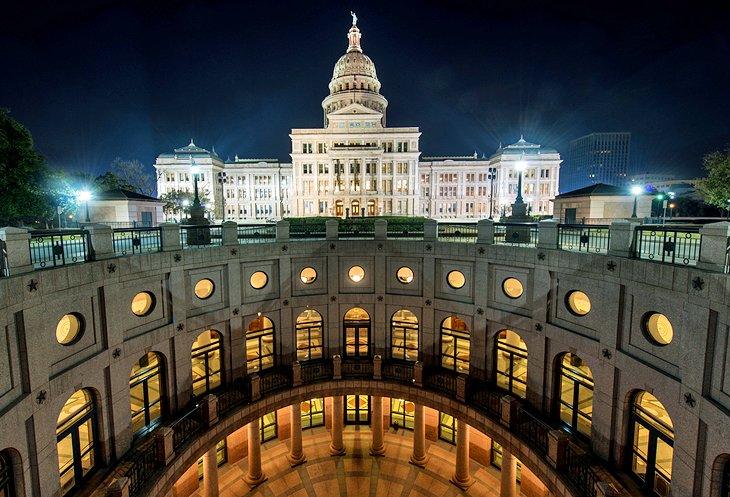
# The Texas State Capitol stands as an emblem of Austin’s political heritage. Completed in 1888, this Italian Renaissance-style building is the seat of government for the state of Texas. With its distinctive pink granite facade, the Capitol is the largest state capitol building in the United States and is even taller than the U.S. Capitol in Washington, D.C. Visitors are often captivated not only by the sheer size of the structure but also by the intricate details that adorn its interior and exterior.
The Capitol is home to numerous historical art pieces, including portraits of notable Texas leaders and intricate murals that depict significant events in Texas history. Free guided tours are available, allowing visitors to explore various chambers, including the House of Representatives and the Senate. The tour provides insights into Texas legislation, the history of the building itself, and the role the Capitol plays in contemporary governance. Moreover, the surrounding grounds boast a stunning array of monuments and memorials commemorating veterans, civil rights leaders, and other pivotal figures in Texas history.
Visitors can also enjoy the stunning panoramic views of downtown Austin from the Capitol grounds, especially at sunset when the golden hues reflect off the building’s historical architecture. The Texas State Capitol isn’t just a government building; it’s a vital part of the community’s identity, a gathering place for celebrations, protests, and civic engagement.
The Driskill Hotel: A Touch of Elegance and History
Initially opened in 1886, the Driskill Hotel is a stunning example of Romanesque architecture and a beloved landmark in Austin. Designed by renowned architect Jasper Newton Driskill, the hotel has served as a luxury accommodation since its inception, attracting numerous influential visitors, including U.S. presidents and Texas governors. The hotel’s lavish interiors—including a grand ballroom, polished marble floors, and lavishly decorated guest rooms—reflect an era of opulence that has been preserved throughout its history.
The Driskill Hotel is not only known for its elegant architecture but also for its captivating ghost stories. Some guests and staff claim to have encountered the spirit of Sarah, the daughter of the hotel’s original owner, who is said to roam the halls. The hotel’s eerie yet enchanting atmosphere adds an intriguing layer to its already rich history.
Today, visitors can enjoy a coffee in the iconic Driskill Bar or partake in an afternoon tea in the stunning lobby. The hotel regularly hosts events, from weddings to art shows, making it an active part of Austin’s modern cultural scene while still respecting the history that surrounds it. Strolling through the lobby is a journey back in time, as guests can marvel at the vintage decor and imagine the many stories held within its walls.
The Colorado River: A Source of Life and Recreation
The Colorado River, flowing gracefully through Austin, is not just a natural resource but a historic landmark in its own right. Historically, the river provided sustenance and transportation for indigenous tribes long before European settlers arrived. Today, it serves as a vital recreational space for the city’s residents and visitors alike. The banks of the Colorado River host a plethora of activities from hiking and biking to paddle boarding and swimming, making it an essential part of Austin’s outdoor lifestyle.
Landmarks along the river, such as the iconic Congress Avenue Bridge, offer stunning views, especially famous for the spectacular nightly view of the bat colony that roosts beneath the bridge during warmer months. Seeing the bats take flight at dusk is a unique Austin experience that attracts spectators from all over the world. The river also hosts numerous events throughout the year, including the popular Austin Reggae Festival and the beloved Battle of the Bands during South by Southwest (SXSW).
Community efforts to preserve the ecological and aesthetic beauty of the Colorado River are ongoing, with city initiatives aimed at maintaining clean water and habitats for wildlife. Parks like Zilker Park and Lady Bird Lake provide ample green space along the river, creating tranquil retreats for those enjoying the city’s vibrant urban life.
The Battle of San Jacinto Monument: Commemorating Texas Independence
The Battle of San Jacinto Monument stands tall in nearby La Porte, Texas, and is a crucial monument commemorating Texas’s declaration of independence from Mexico. Standing at 567 feet, it is the tallest war memorial in the United States. The monument symbolizes Texas pride and the valor of those who fought during the famous battle on April 21, 1836. This location was pivotal, earning Texas its freedom and eventually leading to its admission as a state in the Union.
Visitors to the monument are encouraged to climb the 250 steps to the observation deck, where they are rewarded with breathtaking views of the San Jacinto Battleground and the surrounding areas. The site also includes a museum detailing the events leading up to the battle and the significant figures involved in Texas’s quest for independence. With interactive exhibits and audiovisual presentations, the museum makes history accessible and engaging for visitors of all ages.
At the monument, visitors can reflect on the sacrifices made by Texan soldiers, with a variety of markers detailing important moments of the battle scattered throughout the grounds. It serves not only as a historical site but as a gathering place for celebrations, including annual events commemorating Texas Independence Day, where locals and tourists alike come together to honor the past.
Historic Sixth Street: The Heart of Austin’s Entertainment District
Sixth Street is known as the live music capital of the world, and for good reason. This historic thoroughfare, lined with colorful buildings and neon signs, has transformed from a center of commerce in the late 19th century to the vibrant entertainment hub it is today. The street is famous for its bustling nightlife, live music venues, and bars, each with its own distinct character and story.
Walking down Sixth Street, visitors can catch performances ranging from country music to rock and blues. Many of the venues are housed in historic buildings that once served as theaters, saloons, and professional offices, preserving the architectural charm from earlier eras. For instance, the historic “Old Pecan Street” draws interest for its narrative of Austin’s past, while its quirky shops and eateries showcase the city’s creative spirit.
Throughout the year, Sixth Street hosts various festivals and events, including the Pecan Street Festival, a celebration of local art, music, and food that pays homage to the area’s cultural heritage. With its live music, street performers, and food vendors, Sixth Street embodies Austin’s lively atmosphere, attracting both locals and tourists who wish to immerse themselves in the city’s artistic and musical legacy.
The Lyndon Baines Johnson Library and Museum: A Tribute to a Legacy
Another significant landmark in Austin is the Lyndon Baines Johnson Library and Museum, established to honor the life and presidency of one of America’s most influential leaders. Located on the campus of the University of Texas, the library features extensive collections of documents and archives that chronicle Johnson’s political life, the Great Society programs, civil rights advancements, and the Vietnam War. The museum serves as an educational resource for students and the public, providing insights into the political landscape of the 1960s and the complexities of leadership during turbulent times.
The library’s modern architecture, designed by the renowned architect IM Pei, is a sight to behold, featuring grand spaces filled with historical exhibits, photographs, and films detailing Johnson’s presidency. Special exhibits often highlight key issues he grappled with, such as education, voting rights, and healthcare reform. Visitors can explore the interactive displays that offer a comprehensive understanding of the era and its lasting impact on American society.
In addition to its permanent exhibits, the Johnson Library hosts events, lectures, and educational programs aimed at engaging the community and inspiring discussions around leadership and civic responsibility. It stands as a powerful reminder of the influence of political figures on the course of history and the importance of informed citizenry.
Conclusion: Embracing Austin’s History
Austin’s historic landmarks and monuments are more than just relics of the past; they represent the enduring spirit and resilience of a city that continues to evolve while honoring its roots. From government buildings to natural landmarks, each site contributes to the city’s narrative, encapsulating the essence of Texas’s rich cultural heritage. As we explore these diverse sites, we preserve not only the history of Austin but also the memories and experiences that define its unique character.
With every visit to these landmarks, residents and tourists alike forge a deeper connection to Austin’s past and present, ensuring that the stories and lessons of history remain alive for future generations. Whether through guided tours, museum exhibits, or simply wandering the streets, the opportunity to connect with Austin’s rich history is bountiful and inviting. So grab your walking shoes, embark on a historical journey, and discover what makes Austin truly one-of-a-kind.