









Austin, Texas – Recent rainfall has led to an influx of storm runoff into the Highland Lakes chain, resulting in increased water levels. However, officials from the Lower Colorado River Authority (LCRA) caution that it is premature to conclude whether this boost will be sufficient to avert a water shortage in the upcoming summer months.
In Central Texas, significant rainfall towards the end of the week has contributed to the rise in water levels across local lakes. Despite the positive change, LCRA representatives emphasize the necessity for caution as the summer approaches.
Local resident Robert Weiss, who operates a charter and scuba diving business on Lake Travis, noted the visible changes along the shoreline. “This cable right here, with algae lying on it, was above water last weekend. I use that as my gauge,” Weiss explained. He expressed optimism, stating that the steady increase in water levels is beneficial for his business, contrasting it with the dramatic rises experienced last July.
“It’s been a gradual rise, which is really good. I’m hopeful for the summer since the lake level is starting a bit higher,” Weiss added, believing that this will help sustain water levels through the hotter months.
Current Highland Lakes Conditions
Data from the LCRA reveals a significant improvement in water storage compared to last year. On May 1, 2025, the combined storage of Lakes Travis and Buchanan was at only 47%. As of now, that figure has surged to 84% capacity. Specifically, Lake Travis stands at 74% full, while Lake Buchanan boasts an impressive 97% capacity.
The statistics illustrate this shift:
- May 1, 2025: 945,634 acre-feet in combined storage, 47% capacity
- May 1, 2026: 1,673,262 acre-feet in combined storage, 84% capacity
- Lake Buchanan level:
- May 1, 2025: 998.73 feet above mean sea level
- May 1, 2026: 1018.63 feet above mean sea level
- Lake Travis level:
- May 1, 2025: 635.61 feet above mean sea level
- May 1, 2026: 663.87 feet above mean sea level
Implications of Recent Rainfall
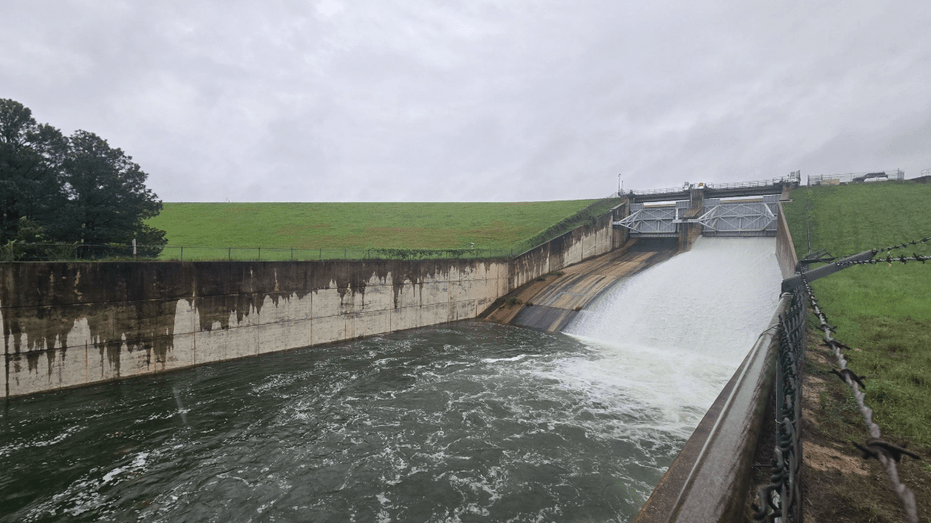
At the Lake Bastrop Dam, the recent rains were significant enough to require the partial opening of one gate, allowing water to flow through Spicer and Piney Creeks into the Colorado River. LCRA officials remarked on the beneficial impact of the April rains, which have provided essential moisture for agriculture and natural vegetation while also mitigating wildfire risks. Furthermore, increased rainfall typically results in reduced water usage as residents postpone lawn watering.
Despite these positive developments, Weiss urges continued water conservation efforts. “Just because we’re getting rain now and the grass looks green doesn’t mean we should let our guard down. We need to keep conserving water,” he advised, highlighting the ongoing challenges of drought management.
Future Projections
Looking ahead, the LCRA’s long-range forecasts indicate a potential decline in water levels during the summer months. However, projections also suggest that an unusually wet July and August could provide a much-needed boost. Meanwhile, the current models indicate that water capacity will likely remain above critical thresholds that trigger drought contingency measures.
Boat docks that are currently out of the water in several coves may remain stranded throughout the summer. Nonetheless, the possibility of a Gulf storm making landfall in Central Texas during hurricane season could alter the situation significantly. The National Oceanic and Atmospheric Administration (NOAA) has recently forecast above-average rainfall for Central and South Texas in May, offering a glimmer of hope for continued recovery.