






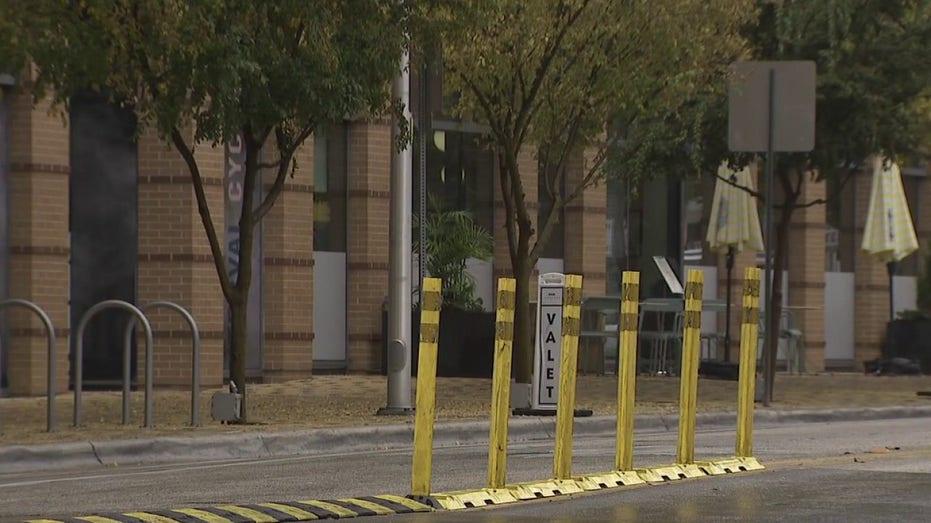
Austin’s Vision Zero initiative has recently concluded a pilot program aimed at reducing left-turn crashes involving pedestrians in downtown Austin. This program, which involved the installation of delineator posts and speed humps, has produced promising results.
From 2020 to 2024, Austin recorded 204 left-turn crashes involving pedestrians, with a staggering 70 percent of these incidents resulting in injuries. The pilot program, which targeted 16 specific intersections throughout the city, sought to address this alarming trend.
The intersections where the improvements were made include:
- 5th St. at Rio Grande St.
- 5th St. at San Antonio St.
- 5th St. at Brazos St.
- 5th St. at San Jacinto Blvd.
- 5th St. at Trinity St.
- 5th St. at Neches St.
- 5th St. at Red River St.
- Barton Springs Rd. at Dawson Rd.
- Susquehanna Ln. at Manor Rd.
- Oltorf St. at Wickersham Ln.
- Sheraton Ave. at S. Congress Ave.
- Oltorf St. at Douglas St.
- Powell Circle at S. 1st St.
- Mesa Dr. at Steck Ave.
- St. John’s Ave. at Lamar Blvd.
- Woodrow Ave. at Anderson Ln.
The funding for this initiative stemmed from a mix of operational budgets and bonds approved by Austin residents in the elections of 2016, 2018, and 2020. Joel Meyer, the transportation safety officer for Austin Transportation and Public Works, explained that the selection of these intersections was based on a detailed analysis of crash histories, intersection geometry, and the need for geographic diversity in the areas targeted.
Data collected from the pilot program revealed a remarkable 46 percent reduction in left-turn crashes involving pedestrians, alongside a 32 percent decrease in crashes involving cyclists and scooter riders. Additionally, the overall economic costs associated with these crashes were reduced by an impressive 82 percent, taking into account medical expenses, property damage, and the impact on quality of life.
“We’ve gathered substantial data, allowing us to assess the effectiveness of these measures within our broader strategy for enhancing safety,” Meyer remarked.
This pilot program marks a pioneering effort in Texas and contributes to a growing body of research from other major cities such as New York, Portland, and San Francisco. Meyer noted, “The safety improvements we observed align closely with the findings from other cities, confirming our expectations for enhanced safety. However, we were somewhat surprised by the extent of the crash reductions.”
Although the pilot program has concluded, the city plans to maintain the delineator posts and speed humps at the tested intersections due to their durability and effectiveness. There are intentions to expand these safety measures to additional locations throughout Austin.
“We are optimistic about the potential to replicate these successful interventions across the city wherever appropriate. These low-cost solutions can be implemented in many areas, enhancing public safety,” Meyer added.