






Discovering the Historic Homes of Corpus Christi, Texas
Corpus Christi, Texas, known for its stunning coastline and rich cultural tapestry, is also home to a treasure trove of historic homes that reflect the city’s diverse past. These residences, ranging from Victorian mansions to Spanish revival structures, tell compelling stories of the people who shaped this coastal city. A stroll through the neighborhoods of Corpus Christi offers more than just picturesque views; it provides a window into its dynamic history.
The historic homes of Corpus Christi showcase an architectural variety that mirrors the city’s evolution through the decades. Each home has been preserved or restored not just as a house, but as a part of the city’s story. Visitors and locals alike can appreciate the unique craftsmanship, design elements, and the cultural narratives that each home represents. From the late 19th century to mid-20th century, Corpus Christi’s architecture offers a timeline of the styles and influences that have made this city what it is today.
The German-Texas Heritage of the Sweeney House
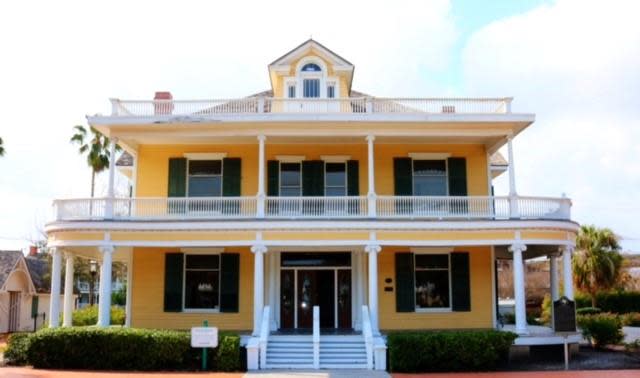
The Sweeney House, built in 1904, stands as a testament to the German-Texan influence in South Texas. Located at 403 E. Avenue C, this charming residence features classic elements of the Arts and Crafts movement blended with southern architectural styles. The home was commissioned by a prominent local businessman who played a crucial role in the development of Corpus Christi during the early 20th century.
This historic residence is characterized by its intricate woodwork, tall ceilings, and expansive porches that offer a vantage point to enjoy the southern sun. Inside, visitors can find numerous antique furnishings that transport them back to a time when grace and craftsmanship were paramount. The restoration efforts undertaken by local historians have ensured that much of the original integrity of the house remains, allowing it to serve as a education hub for future generations.
The Sweeney House isn’t just a place to learn about architecture; it’s also a community space where various local events and gatherings take place. The legacy of its original inhabitants is celebrated through these events, making it a vibrant part of the local culture. Visitors can often find guided tours available, which provide deeper insights into the life that once thrived in this historic home.
Architectural Features of the Sweeney House
- Arts and Crafts Elements: The use of natural materials and handcrafted details highlight the home’s connection to the Arts and Crafts movement.
- Spacious Verandas: Expansive outdoor spaces invite residents and visitors to embrace Texas’ warm climate.
- Original Woodwork: The hand-carved wood details depict the meticulous craftsmanship celebrated in this era.
- Historical Significance: The house serves as an essential piece of the local narrative regarding the city’s commerce and development.
The Majestic McGloin House
The McGloin House, built in the 1920s, stands out as an exquisite example of Spanish Revival architecture. Located at 2526 Upper Broadway, this stunning home reflects the artistic influences brought to Corpus Christi by early settlers from Spain. Its distinctive tiled roof and ornate wrought-iron balconies evoke the charm of Mediterranean estates.
As one of the most photographed homes in the area, the McGloin House attracts those interested not only in its intricate facade but also in its lush garden that has been meticulously kept over the years. Inside, the home boasts stunning stained glass windows and vintage Spanish tiles, showcasing the luxury that characterized early 20th-century living. The layout is designed for both entertaining and family life, with spacious rooms that exude warmth and charm.
Over the years, the McGloin House has served various purposes—from a private residence to a venue for parties and cultural events. Its historical significance and continued use as a gathering place for the community imbue it with a living history that captivates both residents and visitors alike. Regular tours of the home highlight its architectural beauty and the stories of the families who called it home throughout the decades, making it a must-visit for anyone interested in Texas history.
Architectural Features of the McGloin House
- Spanish Revival Style: The architectural features include arched doorways, clay tile roofing, and ornate detailing.
- Stained Glass Windows: Unique windows bathe the interior in colorful light, enhancing the home’s historical mystique.
- Gardens and Landscaping: The gardens feature native plants and traditional Spanish motifs, providing a tranquil escape.
- Cultural Venue: The home functions as a cultural landmark for Corpus Christi, hosting various events and history discussions.
The Historical Reverie of the Bienville House
Perched gracefully at 718 S. Alameda Street, the Bienville House showcases the elegance typically associated with Victorian architecture. Built in the late 1800s, this home served influential families who played a pivotal role in the early development of Corpus Christi, embracing both beauty and functionality.
The house features quintessential Victorian elements—detailed woodwork, decorative gables, and expansive verandas—that create a sense of grandeur. Its recent restoration efforts have led to the preservation of its original paint scheme and many significant artifacts. Inside, visitors experience first-hand the intricacies of Victorian design with vibrant wallpaper, ornate furnishings, and period-appropriate decor that reflects the life of affluence enjoyed by its original residents.
Today, the Bienville House serves as both a museum and a cultural center, offering guided tours and educational programs that allow visitors of all ages to delve into the city’s historical narrative. The stories surrounding the families who resided here indicate the intersection of different cultures, making it a beacon of understanding in a modern context. Its walls are filled with tales of resilience, community, and architectural innovation, making every visit a journey through time.
Architectural Features of the Bienville House
- Victorian Detailing: Each aspect of the design—from the crown molding to the intricate railings—emphasizes the aesthetic choices of the era.
- Spacious Layout: Drawing-room styles and parlor areas reflect the emphasis on social gatherings popular at the time.
- Preservation of Artifacts: The house serves as a museum for historical artifacts that enhance understanding of local heritage.
- Community Education: Programs hosted here educate visitors about Victorian society and the history of Corpus Christi.
The Enigmatic House of the Fisher Family
Another cornerstone of Corpus Christi’s history is the Fisher Family House, a picturesque example of Colonial Revival architecture. Constructed in the early 1920s, this charming residence at 2825 S. Staples Street embodies the grace and elegance of its time while serving as a homage to one of the families deeply embedded in local lore.
The home’s design includes broad eaves, brick exteriors, and an inviting entrance complete with a grand staircase. Inside, the house boasts unique features such as hand-painted ceilings and vintage bathrooms that harken back to an era of understated wealth. The Fisher Family House is particularly notable for its hospitality and has been a gathering place for cultural events, art exhibitions, and community meetings over the years.
Visitors can often partake in tours that recapture the essence of the 1920s, allowing them to step back in time and experience life as a member of the Fisher family. The home’s role in the community has evolved, making it a beloved location for both private events and public celebrations of Corpus Christi’s vibrant culture. Its history serves as a powerful reminder of how architecture can embody the spirit of a people and a place over generations.
Architectural Features of the Fisher Family House
- Colonial Revival Elements: This style is marked by symmetry and classic detailing that pays homage to America’s colonial past.
- Intricate Ceiling Work: The hand-painted ceilings reflect the artistic flair prevalent among affluent homes of the 1920s.
- Gathering Spaces: The layout of the house emphasizes community and social interaction, crucial to the era’s lifestyle.
- Local Heritage: The house continues to host events, encouraging community engagement while preserving its historical significance.
Exploring Corpus Christi’s Historic Districts
The city of Corpus Christi is rich with historic districts that encompass many of these homes. The Hermann Park Historic District, for example, is a designated area that features an array of architectural styles with homes dating back to the 19th century. As you stroll through its tree-lined streets, the beauty of these historic structures is on full display, offering a glimpse into the opulent lifestyles of their original owners.
Among the various properties in the district, you will encounter beautifully maintained colonial, Victorian, and modernist buildings that speak to the eclectic tastes of their residents. Walking tours often highlight the stories associated with these homes, providing insight into how they contributed to the city’s development. From prominent families to notable local figures, the history of Corpus Christi is woven through each home, creating a palpable sense of place.
In addition to Hermann Park, the North Beach Historic District features historic coastal homes that capture the maritime spirit of Corpus Christi. This area has seen significant revitalization and is an ideal location for experiencing both the historical and modern vibrancy the city has to offer. These well-preserved homes reflect a range of styles, enhancing the scenic beach views and providing a unique backdrop for tourists and locals alike.
Experience and Community Engagement
- Walking Tours: Organized tours traverse historic districts, offering firsthand exploration of the city’s architectural heritage.
- Cultural Festivals: Events held at these homes and districts reveal the artistic and historical contributions to the town’s cultural richness.
- Volunteer Renovation Efforts: Community members engage in restoring and preserving these historic homes, fostering local pride.
- Public Programs: Museums and historic houses launch educational programs designed to connect the community with its history.
Why These Historic Homes Matter
The importance of historic homes in Corpus Christi extends beyond their architectural grandeur. These homes offer an enduring connection to the past, serving as repositories for the stories that define the city. They remind us of the cultural richness inherent in diverse architectural styles and the lives lived within their walls. By preserving these homes, Corpus Christi honors its heritage while providing future generations the opportunity to learn and grow.
Furthermore, historic homes drive tourism, bringing visitors eager to explore the legacies of those who paved the way for modern-day Corpus Christi. Investments in preservation enhance the community’s economic stability while fostering a greater appreciation for local history. Each home you visit contributes both to the narrative of the city and to its vibrant art and cultural scene today.
The allure of Corpus Christi’s historic homes is undeniable, offering visitors a chance to experience the beauty and complexity woven into the fabric of the city. Whether you’re a history buff, an architecture enthusiast, or simply someone looking to learn more about this fascinating locale, exploring these historic treasures can reveal the deep roots of community, culture, and innovation that make Corpus Christi a unique slice of Texas history.