







In a powerful revelation, Tiffany Tate, the CEO of The Family Place, a prominent domestic violence shelter in North Texas, has shared her personal journey as a survivor of narcissistic abuse. Her story aims to highlight that domestic violence transcends education, social class, and gender.
A CEO’s Personal Journey
Tate emphasizes the often “invisible” nature of emotional abuse, explaining how narcissists skillfully disguise their behaviors, leading victims to doubt their own sanity and reality. “I wanted to come on today to talk about my experience with narcissistic abuse as the leader of a domestic violence services program. I think it’s important that we share our story so that we can help others,” she stated.
Reflecting on her experience, Tate described the profound impact of this manipulation: “You question your sanity a lot because of the behavior of the narcissist.” Over time, she found herself grappling with her emotions and reality, asking if her feelings were valid.
Understanding Narcissistic Abuse
She explained that while narcissists often come off as charming and well-liked in public, their true nature remains hidden. This façade can lead victims to lose faith in themselves, feeling isolated even when surrounded by supportive community members. “I knew that something was wrong about four years in, but it took an additional four to five years to say, ‘Okay, I’m done,’” Tate shared, highlighting the difficulty of breaking free from such toxic relationships.
Overcoming Shame and Finding Support
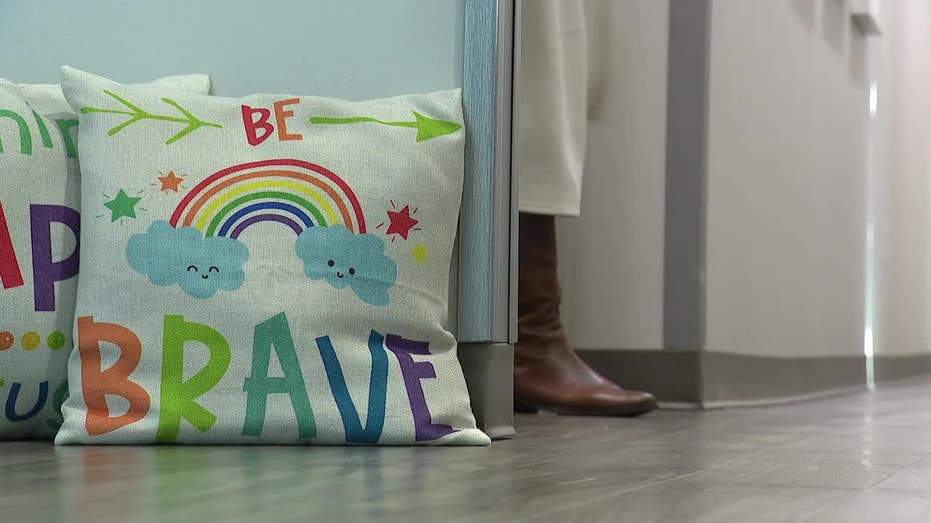
Tate expressed that recognizing various forms of pain is crucial, as not all suffering is outwardly visible. “I don’t necessarily see it as brave at this point. I feel and have felt a lot of shame around being in this position and doing the work that I do,” she admitted, underscoring that bravery can often feel like a burden during the healing process. She reassured those in crisis: “You’re safe. This is a safe space for you. We are here to support you. We tell them that there’s no timeline on their healing.”
One of the most impactful messages she wished she had heard earlier was, “No, you’re not crazy.” This affirmation, she believes, could have helped her trust her instincts sooner. Tate recounted a heartwarming moment when her children remarked on her laughter, a sound they had missed during her difficult times. “They hadn’t heard that for so long, and I didn’t realize that that’s what they were experiencing,” she reflected.
Resources and Support
Tate’s journey serves as a reminder that healing is possible and that support is available for anyone facing domestic violence. For those in need, the National Domestic Violence Hotline can be reached at 800-799-7233 or by texting “BEGIN” to 88788. Additionally, for emotional support, the National Suicide Prevention Lifeline offers help 24/7 at 1-800-273-8255 or by texting HOME to 741-741.
As Tiffany Tate continues her advocacy work, her experience underscores the importance of recognizing and addressing the complexities of domestic violence, ensuring that every survivor knows they are not alone.