








Exploring the Vibrant Tapestry of Texas Folk Art
Deep in the heart of Texas lies a rich heritage of folk art and handcrafted traditions that reflect the eclectic culture of its people. From the origins of its Indigenous communities to the vibrant influence of Mexican, German, and African American cultures, Texas folk art serves as a living history, capturing the spirit, struggles, and stories of those who call this vast state home. The unique blend of materials, techniques, and narratives results in an artistic expression that is as diverse as the population it represents.
The realm of Texas folk art encompasses an array of mediums, including pottery, textile design, woodworking, metalwork, and more. Travelers and locals alike are continually discovering new artisans and their creations. This article delves into the world of Texas folk art, exploring its historical roots, the artisans who dedicate their lives to these crafts, and its significance in today’s society.
The Historical Roots of Texas Folk Art
Texas folk art can be traced back for centuries to the Indigenous tribes that originally inhabited the region. Tribes such as the Comanche, Apache, and Caddo produced intricate pottery, beadwork, and textiles that were essential for their daily lives and ceremonial practices. These early artisans used natural materials, such as clay and animal hides, to create functional objects imbued with deep cultural meanings. This longstanding connection to the land deeply influences contemporary practitioners of folk art.
As European settlers began to arrive in Texas, they brought with them their own artistic traditions, blending their European techniques with Indigenous methods. The result was a unique fusion of styles that would pave the way for the rich tapestry of Texas folk art. For instance, the Texas-Mexican tradition of “retablos,” or small devotional paintings, emerged as a means of storytelling, often depicting saints and scenes from Mexican folklore. This fusion continues to thrive today, with many artists embracing their multifaceted heritage.
A pivotal moment in the recognition of Texas folk art came in the late 20th century, when a renewed interest in traditional crafts sparked a movement among artists and collectors. The Texas Folk Life Festival, first held in 1972, aimed to celebrate the diverse cultural heritage of the state by showcasing various forms of folk art. Over the years, these festivals have become essential platforms for artisans to display their work, foster community connections, and gain wider recognition.
Major Influences on Folk Art in Texas
The development of Texas folk art cannot be understood without acknowledging the various cultural influences that have shaped it. Primarily, three groups stand out: Native Americans, Mexican Americans, and European settlers. Each group has introduced distinctive techniques, motifs, and stories, enriching the overall artistic landscape.
- Native American Influence: Indigenous artisans often employed nature in their work, incorporating local materials and motifs emphasizing spirituality and storytelling.
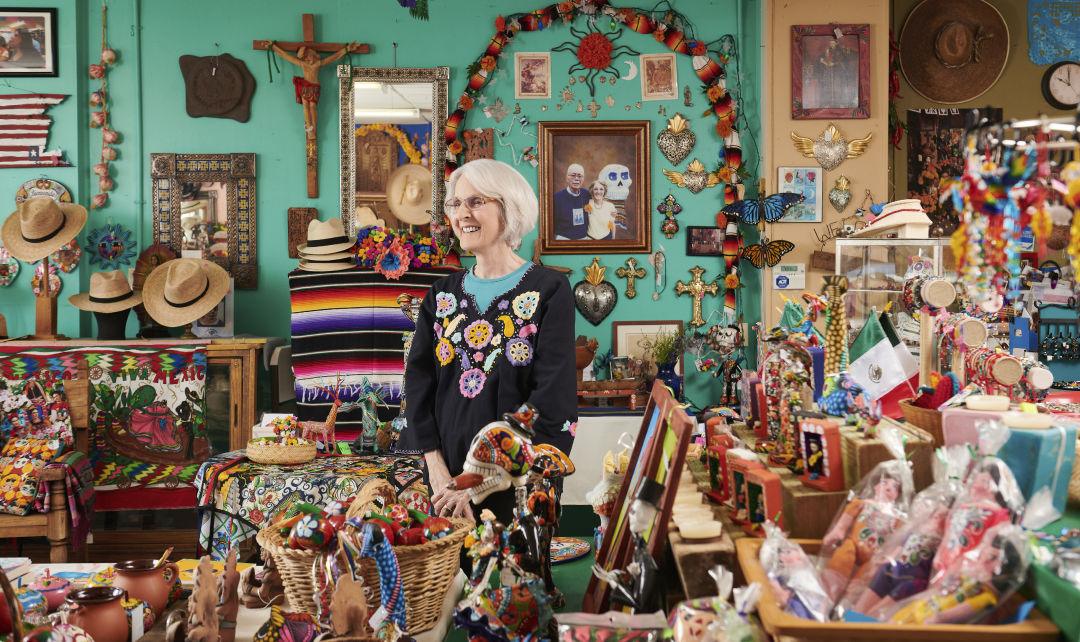
- Mexican American Traditions: The influence of Mexican culture is seen in vibrant colors, intricate designs, and themes drawn from folklore, such as Día de los Muertos celebrations and the significance of religious symbols.
- European Settlers’ Impact: Settlers introduced various crafting techniques, bringing influences from their homelands in Europe, which have resulted in a unique merging of Scandinavian, German, and Czech styles in Texas folk art.
Contemporary Artisans and Their Craft
Today, a new generation of Texas artisans continues the legacy of folk art through a dedication to traditional methods and innovative expression. Many artists focus on reviving age-old techniques, while others push the boundaries of folk art by incorporating contemporary influences. Their works often reflect their personal experiences and cultural identity, further enriching the state’s artistic heritage.
One notable artisan is Amelia Gonzalez, whose vibrant papel picado (perforated paper) artwork tells stories of family and culture. Drawing on her Mexican heritage, Gonzalez expertly crafts intricate designs that have become a staple in celebrations across the region. Her work not only demonstrates technical skill but also serves as a medium for cultural storytelling, bridging generations. Each piece conveys emotions tied to traditions such as Día de los Muertos and Quinceañeras, representing a blend of heritage and regional pride.
Another prominent figure in contemporary Texas folk art is James Crookes, a master potter from San Antonio specializing in traditional Texas pottery. Using ancient techniques, Crookes creates functional and decorative pieces that echo the craftsmanship of Indigenous artisans. His work not only highlights Texas’s rich ceramics tradition but also invites viewers to reconsider the history and cultural significance of pottery in their everyday lives.
Innovative Approaches to Traditional Crafts
Today’s artists are finding ways to push the boundaries of traditional crafts, embracing modern techniques while respecting their roots. Collaboration is increasingly becoming a cornerstone of the folk art movement, with artisans working together to fuse their respective techniques. This collaborative spirit serves to celebrate diversity, resulting in unique creations that inspire dialogue and bridge cultural gaps.
- Cross-Pollination of Techniques: Artisans are incorporating elements from various cultural traditions to create hybrid forms, such as blending Indigenous weaving methods with contemporary designs.
- Community Workshops: Many artists are reaching out to their communities through workshops, teaching traditional crafts to younger generations and helping preserve these practices.
- Digital Contemporary Folk Art: Moreover, some artists are utilizing digital media to expand their reach, creating virtual galleries and online marketplaces to display and sell their handcrafted works.
The Role of Folk Art in Contemporary Culture
As Texas continues to evolve as a cultural melting pot, folk art plays a crucial role in offering a sense of identity and heritage. For many, purchasing or displaying a handcrafted item serves as a connection to their roots and the stories of their ancestors. Artisans not only preserve traditional craft but also utilize their works to provoke thought about social and political issues facing their communities today.
Folk art festivals, craft fairs, and specialized events throughout the state celebrate these artisans and their contributions, fostering appreciation among audiences. Events such as the Texas Folklife Festival and festivals celebrating Latino and Native American art highlight the interconnectedness of culture and creativity. These gatherings allow artists to engage with the community and share their crafts while providing a platform for cultural exchange.
Additionally, folk art has found its way into public spaces, further embedding it within Texas’s cultural fabric. Murals adorned with intricate designs capture the attention of passersby, inviting them to explore the stories behind the artwork. Public installations encourage dialogue about the power of art to represent a community’s shared history and collective identity.
The Social and Economic Importance of Folk Art
The impact of folk art extends beyond aesthetic appreciation; it also holds significant economic importance in Texas. Artisans contribute to local economies by attracting tourists and drawing attention to small businesses. Many artisans operate from home studios or small workshops, creating jobs and promoting entrepreneurship within their communities.
- Tourism: Folk art attracts visitors eager to explore authentic Texas culture, contributing to local tourism and stimulating the economy.
- Craft Entrepreneurship: Many artists have launched successful businesses around their crafts, providing workshops, classes, and tutorials that educate the public and preserve traditions.
- Giving Back to the Community: Some artisans reinvest a portion of their profits back into the community, supporting local initiatives focused on preserving cultural history.
The Future of Texas Folk Art
The future of Texas folk art appears promising, as both established artisans and emerging talents continue to explore new ways to engage with their culture. As the world becomes increasingly digital, the challenge remains to maintain a connection with traditional craftsmanship while adapting to modern sensibilities. However, the passion shown by Texas artisans assures that folk art will not only survive but will thrive in the years to come.
As cultural dynamics shift and new generations emerge, there is an opportunity to celebrate the legacy of folk art while creating room for innovation. The storytelling inherent in folk art ensures that the narratives of Texas’s diverse communities will endure, bridging the past and present in meaningful ways.
Art as an Agent of Social Change
Furthermore, many Texas folk artists are leveraging their platforms to advocate for social change. By addressing contemporary issues through their art, they spark dialogues about identity, heritage, and resilience. This rising tide of activism through creative expression exemplifies how folk art remains relevant in an ever-changing society.
Ultimately, the journey of Texas folk art reflects the resilience and creativity of its people, weaving together experiences that define the essence of this region. As artisans continue to tell their stories through their crafts, they ensure the vibrant traditions of Texas will be celebrated and appreciated for generations to come.
With its colorful history and dynamic present, Texas folk art serves as a testament to the harmony achieved when cultures collide and blend. It is a celebration of humanity, creativity, and the enduring power of tradition and storytelling in shaping the future.