








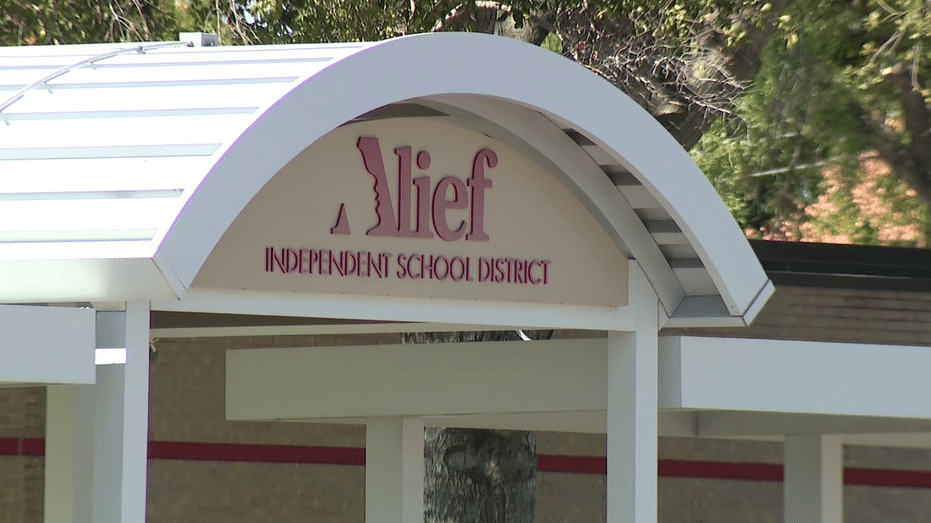
Alief Independent School District (ISD) is currently exploring potential changes to its schools due to a significant decline in enrollment, which has dropped by 21% since the 2017–18 academic year. With only 60% of classroom space being utilized, the district is considering various options, including school closures, consolidations, rezoning, and changes to grade configurations.
The district’s school optimization process has begun, and community meetings are being held to gather input from families. No definitive decisions have been made at this stage, as the district aims to assess the needs and preferences of its community members.
Current Enrollment Trends
Alief ISD has experienced a decline in enrollment for nine consecutive years, and factors contributing to this trend include competition from other educational options and rising operational costs. The district has noted an alarming increase in the number of schools with fewer than 600 students, which has grown almost fivefold since 2017. Additionally, the number of schools serving less than 500 students has surged ninefold.
Utilization of Classroom Space
Data from the district indicates that classroom utilization is significantly low across various levels of education. Currently, eleven elementary schools are operating below 50% capacity, while three intermediate and three middle schools are functioning below 60% capacity. Two high schools also have underused ninth-grade centers.
Implications for the Community
Proposed changes may impact where children are assigned to school, the grades served at specific campuses, and the availability of educational programs. The optimization effort aims to align the district’s resources, staffing, and programs with student needs, ensuring long-term sustainability while mitigating challenges posed by low enrollment.
Considerations for Future Planning
The district is contemplating several potential strategies, including the closure or consolidation of schools, adjustments to attendance boundaries, and the expansion of educational programs. There is also interest in gathering feedback regarding the reorganization of grade levels within the district.
Currently, Alief serves students in a structured manner: prekindergarten at early childhood campuses, elementary schools for kindergarten through fourth grade, intermediate schools for fifth and sixth grades, middle schools for seventh and eighth grades, and high schools for grades nine through twelve. The district notes that it is among the few that operate separate intermediate campuses, which complicates curriculum delivery due to changes in state regulations.
Community Engagement Opportunities
Families are encouraged to participate in community meetings and an online survey to express their thoughts on what they would like to see preserved and what changes they might support. The first of these meetings was held on October 15, with several more scheduled through November 19 at different middle schools across the district.
During these meetings, participants will discuss what constitutes a thriving school environment, which programs should be protected or expanded, and how receptive they are to alterations in grade configurations. Translators will be available, and sessions will be recorded for those unable to attend.
Next Steps
Feedback collected through the community meetings will help establish priorities for the district moving forward. Draft scenarios are expected to be presented in January, followed by additional community meetings and a board vote scheduled for February. However, specific timelines for the implementation of any approved changes, the number of campuses that may be affected, or projected savings remain to be determined.