








As the November 3 election approaches, voters in the Austin area are gearing up to influence both state and national governance. With pivotal positions such as the Texas governor and U.S. senator on the ballot, the stakes are undeniably high.
In addition to major statewide offices, local decisions will also be on the table, including city council seats, funding for schools, as well as bonds for parks and libraries. KUT News invites residents to share their questions about the voting process or specific races, compiling answers to the most frequently asked inquiries.
Among the common questions are: When and where can I vote? What local races should I watch? Which statewide races are significant? What identification is necessary to vote? Is registration still open? What should I do if I’m on the voter ‘suspense’ list? How do I vote by mail? Here are the answers.
Voting Information
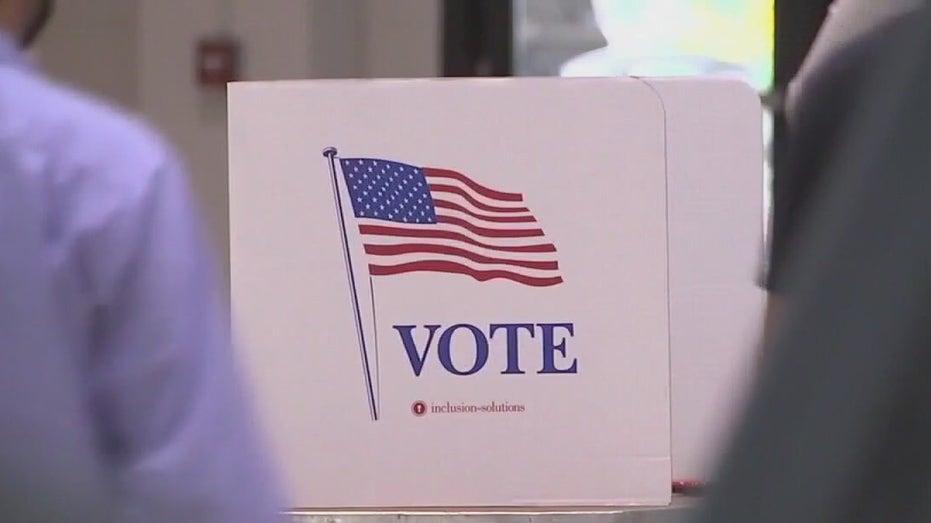
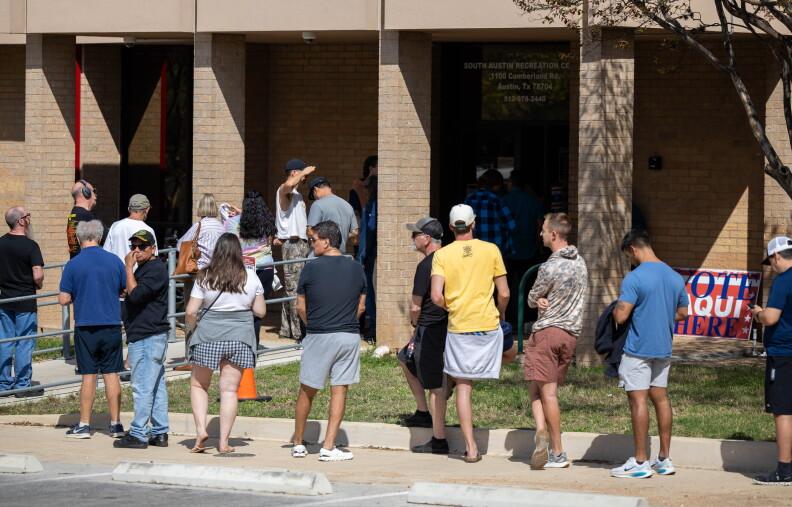
Early voting commenced on October 19 and will run until October 30, with Election Day set for November 3. Polling hours may vary by location, but on Election Day, polls are open from 7 a.m. to 7 p.m. Voters waiting in line when polls close will still be permitted to cast their ballots.
Your designated polling location is determined by your county of residence. If you live in Travis, Williamson, or Hays counties, you are welcome to vote at any early voting location within your county, as well as on Election Day. However, polling places during early voting may differ from those available on Election Day.
To assist voters, early voting locations and hours are available for Travis County, Williamson County, and Hays County. Additionally, maps for early voting and Election Day locations in Travis County can be accessed for convenience.
Key Local Races
In Austin, five City Council seats are contested: Districts 1, 3, 5, 8, and 9. Residents can use a city map to determine their district, as council members play crucial roles in shaping the city’s budget, homelessness strategies, and regulations surrounding data centers and license plate readers.
Voters will also decide on a substantial $295 million bond package aimed at enhancing parks and libraries. Propositions A and B provide further details on this initiative.
Another noteworthy measure is Proposition I, which seeks to establish an independent, recurring audit of the city’s finances. While an audit has been initiated through a city ordinance, proponents argue that the proposition offers enhanced standards and a more enduring approach to accountability. Critics, however, contend that it may lead to costly outcomes and pressure the auditor to implement deeper cuts for financial gain.
For a comprehensive overview of local races, in-depth voter guides are available for Travis, Williamson, and Hays counties.
Statewide Races to Watch
The U.S. Senate race has captured national attention, featuring Republican Attorney General Ken Paxton against Democratic state Rep. James Talarico. Aside from this headline matchup, several other significant statewide races are on the ballot.
Austin’s state Rep. Gina Hinojosa challenges Governor Greg Abbott for a historic fourth term, while state Rep. Vikki Goodwin is taking on Lt. Gov. Dan Patrick in a closely watched contest. The race for Texas comptroller pits Austin state Sen. Sarah Eckhardt against incumbent Don Huffines.
With Paxton’s Senate run, the race for Texas attorney general has opened up, attracting Republican state Sen. Mayes Middleton, Democratic state Sen. Nathan Johnson, and Libertarian Tom Oxford. Other notable races include those for General Land Office commissioner and agriculture commissioner, as well as a heightened focus on the Texas Railroad Commission, which oversees the state’s oil and gas sector.
Voting Requirements
When preparing to vote, it’s essential to bring a valid photo ID. Acceptable forms include a Texas driver’s license, Texas election identification certificate, or a U.S. passport. If you lack a photo ID, alternative options are available, though you will be required to complete a form explaining your inability to obtain one.
The registration deadline for this election has passed. However, the Vote Texas website provides guidance for registering for future elections and checking your registration status.
Address Changes and Suspense List
If you find yourself listed as a voter in suspense, you can still vote, but certain procedures may apply. This status often arises from a change of address. In instances of moving within the same county, voters can fill out a statement of residence at the polls. In counties like Travis, Williamson, or Hays, voters can cast ballots at any polling location during early voting and on Election Day.
If you’ve moved to a different county, you can vote with a limited ballot, which includes statewide races and any races relevant to both your previous and current addresses. Limited ballots are offered only during early voting and must be cast at your new county’s main early voting location.
Progressive Voter Guides
KUT News is a nonpartisan source and does not endorse candidates or measures. However, several informational voter guides for the Austin area, along with articles on specific local races, can be found on our elections page. The League of Women Voters also provides nonpartisan voter guides for Travis, Williamson, and Hays counties, while local media outlets like the Austin American-Statesman and Austin Chronicle offer their own endorsements.
Voting by Mail
Eligible voters can cast their ballots by mail in Texas if they are 65 or older, disabled, or away from their registered county during early voting and on Election Day. The application deadline for a mail-in ballot for this election is October 23, and it must be received by your county’s early voting clerk by that date.
For detailed instructions on applying for a mail-in ballot and guidance on what to do once you receive it, visit the Vote Texas website.
If you have additional voting questions that haven’t been addressed, please submit them using the form provided. This information will be updated as new inquiries are received.