








The Cultural Landscape of Dallas Theaters and Performing Arts Centers
Dallas, Texas, is not just a hub for business and technology; it also boasts a vibrant performing arts scene that captivates locals and visitors alike. The city is home to an eclectic mix of theaters and performing arts centers that reflect the cultural diversity and artistic richness of the region. From grand venues that attract international tours to intimate stages featuring local talent, Dallas offers something for everyone seeking a taste of creativity and entertainment.
This article delves into the various theaters and performing arts centers in Dallas, exploring their history, unique offerings, and contributions to the local cultural landscape. Whether one is interested in Broadway musicals, classical music concerts, or avant-garde theater productions, Dallas has a wide array of options. As the city continues to grow and evolve, its dedication to the performing arts remains a testament to its commitment to community engagement and artistic expression.
Historical Context of Dallas’ Performing Arts Scene
The roots of Dallas’ performing arts scene run deep, with a history that dates back to the late 19th century. After the city was founded in 1841, the thirst for cultural entertainment quickly expanded. The first productions were staged in makeshift venues, often utilizing community spaces such as meeting halls and churches. By the turn of the century, Dallas had established itself as a burgeoning center for performing arts, with theaters beginning to pop up across the city.
Theatres such as the Majestic Theatre, opened in 1921, became iconic landmarks. Known for its stunning architecture and opulent interiors, the Majestic Theatre hosted vaudeville acts and silent films, transitioning smoothly through the decades to accommodate everything from Broadway presentations to contemporary concerts. The evolution of these venues reflects both the changing tastes of the audience and the city’s growing status as a cultural oasis in Texas.
In the post-World War II era, Dallas experienced a renaissance in the arts, driven by the economic prosperity of the time. The establishment of the Dallas Symphony Orchestra and the Dallas Theater Center indicated a new era of professional arts in the city. These institutions laid down roots that would allow for smaller, independent artists to flourish, thus fostering a robust ecosystem where new talent could thrive.
The Impact of Arts Institutions on Dallas Culture
The growth of established arts institutions in Dallas has significantly impacted the city’s cultural environment. The Dallas Arts District, the largest contiguous urban arts district in the United States, emerged as a focal point for art and culture. This 19-block area is home to some of the city’s premier cultural institutions, including the Dallas Museum of Art and the AT&T Performing Arts Center, which houses several performing venues.
Moreover, the presence of the Dallas Black Dance Theatre and the Teatro Dallas illustrates the city’s commitment to diversity in its performing arts offerings. These organizations not only bring artistic expressions from different cultures to the forefront but also provide platforms for artists from underrepresented communities. Such inclusivity has fostered a rich multicultural tapestry that defines Dallas today.
Events like the annual Dallas Arts Month further illustrate the city’s dedication to arts and culture. This month-long celebration highlights performances, exhibitions, and open houses, inviting community engagement and awareness of the arts. Inspirational programming and educational outreach initiatives allow younger generations to participate, ensuring the future of Dallas as a cultural center.
Iconic Theaters of Dallas
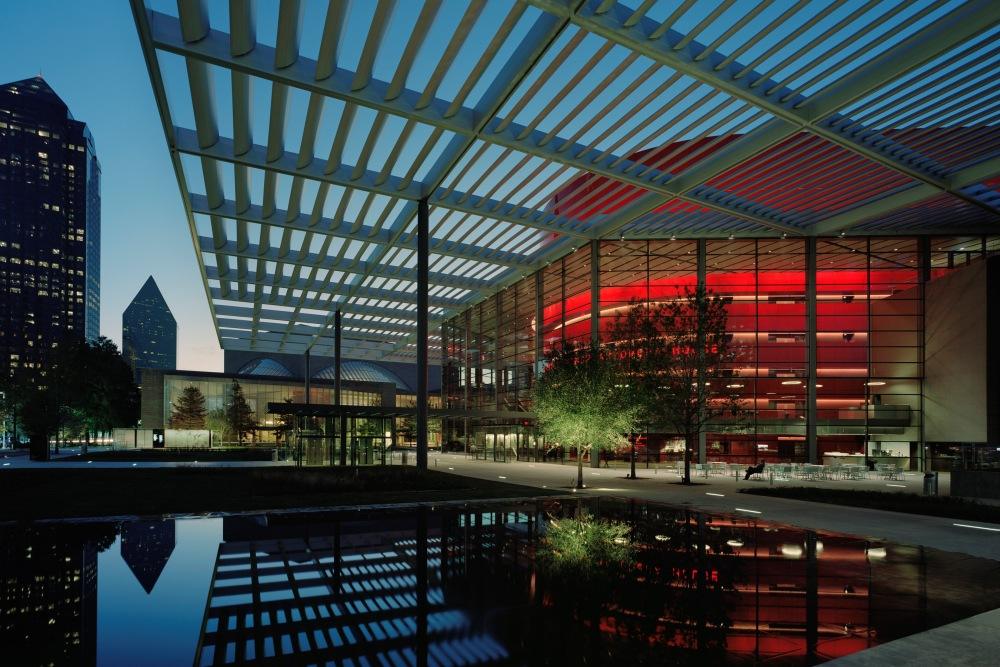
Dallas boasts an array of iconic theaters, each contributing its unique flavor to the performing arts landscape. The Winspear Opera House, located in the Dallas Arts District, is renowned for its stunning design and exceptional acoustics. This opera house, with its sleek silhouette and state-of-the-art technology, hosts productions from the Dallas Opera and is a venue for Broadway tours as well. Its capacity to seat over 2,200 patrons makes it one of the largest performance spaces in the region.
Another notable venue is the Majestic Theatre. With its origins in the silent film era, the Majestic showcases a range of performances, from classic films to musical acts, ensuring that it remains a cherished cornerstone of Dallas culture. Its grand interior, adorned with elaborate plasterwork and atmospheric lighting, provides an unmatched ambiance that enhances the audience’s experience.
The Dallas Theater Center is known for its commitment to new works and innovative productions. This organization aims to challenge traditional narratives and engage with contemporary social issues. Their education programs serve to engage the community and cultivate a love for the theater among children and adolescents. By providing dynamic opportunities for local artists and performers, it has solidified its role as a nurturing ground for new talent.
Emerging Theaters and Independent Venues
Beyond the grand theaters, there lies a thriving scene of smaller, independent venues that offer unique experiences and serve as a platform for local and emerging artists. Echo Theatre stands out for its dedication to women playwrights, consistently delivering thought-provoking performances that challenge conventional storytelling and engage audiences in meaningful dialogue. This commitment to representation makes it a vital part of the Dallas arts ecosystem.
The Undermain Theatre is another gem in the mosaic of Dallas performing arts. Known for its intimate setting and bold productions, Undermain has built a reputation for its avant-garde approach and innovative interpretation of classic works. The theatre also places an emphasis on community involvement, regularly featuring local playwrights and fostering collaborations with educational institutions.
The Kessler Theater, located in the Oak Cliff neighborhood, is popular for live music performances and events that celebrate local culture. Its vintage ambiance and laid-back vibe attract an eclectic mix of audiences, blending a love for music with a commitment to supporting local artists. Kessler has become a staple for those seeking a more casual environment to enjoy performances, encouraging the communal spirit that permeates Dallas’ artistic scene.
Festivals Celebrating the Arts
Dallas plays host to numerous arts festivals throughout the year, showcasing the incredible talent within the city and attracting visitors from across the globe. One of the most notable festivals is the Dallas International Film Festival, which celebrates independent filmmakers and offers a platform for new voices in cinema. With awards across various categories, the festival serves as a crucial springboard for emerging talent while engaging the community in the film-making process.
The Dallas Festival of Ideas also celebrates artistic innovation and creativity, with a focus on interdisciplinary collaboration. This gathering highlights the intersection of art, technology, and thought leadership, drawing speakers, artists, and thinkers to present their ideas and projects. These discussions foster community dialogue and look toward the future of arts and culture in Dallas.
Another event worth noting is the Dallas Arts District’s Annual Arts Fest, which attracts thousands of attendees each year. The festival showcases a medley of performances from local artists, interactive art installations, and educational workshops tailored for all ages. It emphasizes the importance of community engagement and collective appreciation for the arts, providing a direct interaction between artists and the public.
The Future of Performing Arts in Dallas
The future of performing arts in Dallas looks promising, with a continued investment in the arts from both public and private sectors. The establishment of the Dallas Cultural Plan outlines a vision to enhance the overall arts infrastructure, increase accessibility to the arts, and promote cultural initiatives across neighborhoods. By prioritizing the arts, the city aims to foster a vibrant community that reflects its diverse populace.
Moreover, as technology continues to evolve, Dallas theaters are embracing innovative methods to enhance the audience experience. Virtual reality, live streaming, and interactive performances are beginning to shape the landscape of theatre in the digital age, making the arts more accessible to a wider audience. The collaboration between traditional arts and modern technology presents new opportunities to captivate audiences and engage with younger generations.
Collaborations between various arts organizations, schools, and community groups are becoming increasingly important. Partnerships such as these not only serve to bolster artistic initiatives but also promote cross-disciplinary learning and foster a greater appreciation for the arts within the educational system. By encouraging younger generations to explore creativity, Dallas is ensuring a legacy of artistic expression that will endure for years to come.
Engaging with the Dallas Arts Community
Engagement with the Dallas arts community can be as simple as attending a show, but to truly immerse oneself in the local culture, individuals can also participate in community outreach programs offered by various theaters. Many performing arts organizations encourage volunteer opportunities, allowing residents to actively contribute to the vibrant arts culture.
Additionally, taking part in workshops, classes, and discussions at local theaters provides an opportunity for deeper engagement with the arts. Through community education initiatives, participants can explore their creative interests, develop skills, and contribute to local productions. These programs not only empower individuals but also enrich the entire community by fostering a love for the performing arts.
Supporting local artists by purchasing tickets, promoting events, and sharing experiences on social media can amplify the efforts of the Dallas arts community. By creating buzz and excitement around upcoming performances, residents can contribute to a nurturing environment where creativity can flourish. The collective effort of the community plays a crucial role in sustaining a lively arts scene in Dallas, serving as a testament to the shared commitment to cultural richness and artistic exploration.
Summary of Dallas’ Theaters and Performing Arts Centers
Dallas’ theaters and performing arts centers reflect the city’s dynamic cultural landscape, showcasing an incredible diversity of talent and artistic expression. From the historical grandeur of established venues like the Majestic Theatre and the Winspear Opera House to the innovative productions at independent theaters, the city continues to cultivate a vibrant arts scene that resonates with its residents. Festivals and community engagement initiatives further enhance this landscape, ensuring that the arts remain central to the Dallas experience.
As Dallas looks toward the future, its investment in the arts and commitment to community engagement promise to elevate its cultural offerings even further. For anyone interested in participating in the performing arts scene, Dallas provides a wealth of opportunities for involvement, appreciation, and inspiration, making it a cornerstone of the city’s identity.