








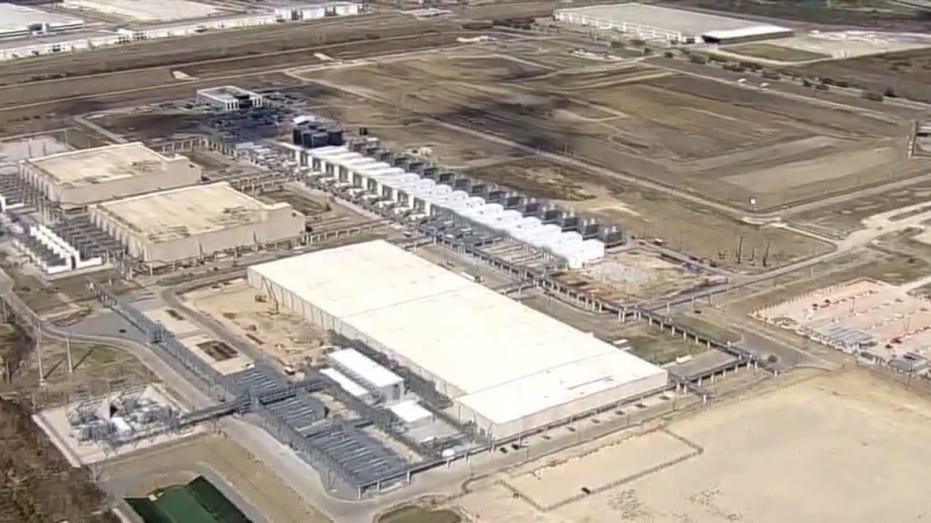
AUSTIN, Texas – The emergence of data centers has become a contentious political issue across Central Texas and the entire state. Recent research from the University of Texas has highlighted the potential long-term impacts of these high-tech facilities on the region over the next decade. In response to increasing public concern, a coalition representing the data center industry has begun to advocate for its interests.
The backdrop to this debate is the perception of data centers as a vital component of the modern economy. However, they have also become a focal point for political dissent, especially in areas like Round Rock and Hays County. Local leaders and community advocates, including Hays County Judge Reuben Becerra, argue that these facilities consume significant amounts of water and could jeopardize public drinking supplies.
In Hays County, officials are currently reconsidering a proposal that would temporarily halt permits for developments that require large quantities of water. There are also fears that data centers could place additional strain on the already stressed state power grid. A study from the University of Texas at Austin forecasts that, if construction continues at the current pace, data centers could account for between 3% and 9% of Texas’s water usage by 2040, with more than 400 facilities currently operational or under development in the state.
The study advocates for enhanced community awareness campaigns and improved monitoring of construction projects, alongside thorough impact assessments.
In light of these concerns, members of the Data Center Coalition have responded robustly. Dan Diorio, a representative of the coalition, emphasized the industry’s commitment to covering its full operational costs and ensuring the protection of ratepayers in the long term. He noted the importance of innovative partnerships and the necessity of large energy consumers to support grid investment, which can ultimately help stabilize rates for other users.
Concerns have also been raised by residents near proposed data center sites, who feel inadequately informed about the developments. Diorio acknowledged the need for improved engagement with stakeholders to clarify the purpose of these projects and their alignment with community economic goals.
The coalition is keen to avert potential moratoriums on data center developments, which Diorio believes could create uncertainty and hinder broader economic growth. He cautioned that communities imposing such restrictions may inadvertently limit their own opportunities for development.
To counter the backlash, data center advocates have initiated advertising campaigns highlighting support from national leaders, including the Trump administration, emphasizing the relevance of data centers to national security. Diorio stressed the importance of educating the public on the pivotal role these facilities play in both everyday life and the global economy, particularly in securing data within the country.
As the controversy surrounding data centers is expected to persist beyond the upcoming November elections and into the Texas legislative session in January, Diorio articulated the need for dialogue on the establishment of new regulations. He underscored the significance of balancing development interests with community concerns, advocating for a cooperative mindset that prioritizes responsible growth.