







Exploring the Rich Cultural Landscape of El Paso, Texas
El Paso, Texas, a vibrant border city located at the meeting point of the United States and Mexico, boasts a unique tapestry of cultures that contribute significantly to its identity. With a history steeped in both Native American roots and colonial influences, El Paso offers a plethora of cultural centers and heritage museums that celebrate this diverse heritage. Visitors and locals alike are encouraged to dive into the city’s historical narrative as they explore the wealth of art, music, and traditions present in its various institutions.
The cultural scene in El Paso is a reflection of the many communities that have shaped it over the years. From the indigenous peoples to the Spanish settlers and the diverse immigrant populations of the modern era, each group has left an indelible mark on the city’s identity. This article serves as a guide to El Paso’s notable cultural centers and heritage museums, showcasing how they contribute to understanding the city’s past and present.
The El Paso Museum of History: A Gateway to the Past
The El Paso Museum of History stands as a cornerstone in the city’s efforts to preserve and present its extensive history. Established in 1998, this museum provides insights into the region’s rich historical tapestry through a myriad of engaging exhibits and educational programs. The museum’s mission is to illuminate the stories of the people who have lived in and around El Paso over the centuries.
Exhibits at the El Paso Museum of History cover a wide range of topics, including the city’s Indigenous cultures, Spanish colonial influences, and the impact of the Mexican Revolution. Among its most notable displays is the “El Paso and the Border” exhibit, which explores the complexities of life along the U.S.-Mexico border. This exhibit emphasizes the shared narratives that bind communities across the border, shedding light on important social, political, and economic issues.
Additionally, the museum frequently hosts temporary exhibits that draw from contemporary themes, thus making the historical dialogues relevant to today’s audience. It also offers educational programs tailored for students of all ages, fostering a connection between current generations and their heritage. The museum’s commitment to preserving the past is reflected in its community events, which often celebrate local culture through festivals and art displays.
Visiting Information
The El Paso Museum of History is open to the public at no cost, making it an accessible destination for all. The museum also provides various resources for educators and families, including guided tours and interactive workshops. It is situated in the historic district of El Paso, making it easy to integrate into a day of exploration within the heart of the city.
The Museum of Art: Celebrating Creativity Across Cultures
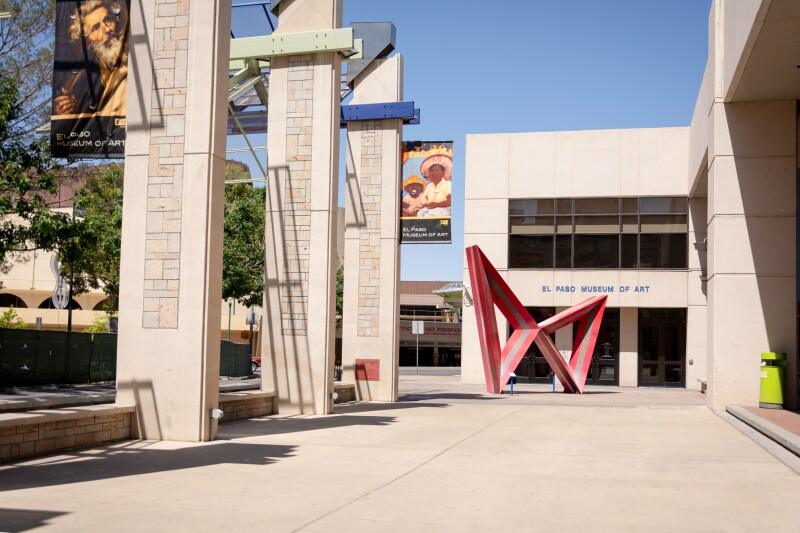
The El Paso Museum of Art is another key institution dedicated to the celebration of art and cultural diversity. Established in 1959, the museum showcases a rich collection of over 7,000 artworks that span different eras and styles, with a pronounced emphasis on American, Mexican, and contemporary art. Its location on the border allows it to act as a cultural bridge, displaying art that reflects both sides of the border.
Among the museum’s most prized collections is its selection of American paintings from the 19th and 20th centuries, as well as contemporary works from both established and emerging artists. The museum often features special exhibitions that focus on specific themes or artists, providing valuable context for viewers about the dynamic art world and its socio-cultural undertones.
In addition to its extensive exhibitions, the El Paso Museum of Art also engages the community through educational programming. From art classes for children to workshops for adults, the museum aims to foster creativity and appreciation for art in all its forms. The museum hosts numerous events throughout the year, including gallery talks, art walks, and cultural celebrations, making it a lively hub for both homegrown and international culture.
Visiting Information
Admission to the El Paso Museum of Art is free, though donations are encouraged to support ongoing initiatives. The museum is conveniently located in downtown El Paso, and it is within walking distance of several other cultural sites, making it an ideal stop for art enthusiasts and history buffs alike.
Centro de la Raza: A Community Celebration of Chicano Culture
For those interested in understanding the unique experiences of the Chicano community, the Centro de la Raza offers an in-depth look into the cultural heritage and civil rights history of this vibrant group. The center focuses on promoting the arts, education, and cultural expressions of the Chicano population, serving as an important resource for understanding the cultural dynamics of El Paso.
Centro de la Raza often hosts cultural events, workshops, and art exhibitions showcasing local and regional artists who represent the struggles and triumphs of Chicano life. Collaborative projects with schools and local organizations are frequent, fostering a sense of community that is reflected in the artworks displayed.
One of the highlights of the Centro is its commitment to education and outreach programs that aim to engage the youth in cultural education. These programs often include artist residencies, bilingual storytelling sessions, and traditional dance workshops, allowing young people to connect with their cultural roots while expressing their creativity.
Visiting Information
The National Border Patrol Museum: Understanding Security and Humanitarianism
In a city where border issues dominate headlines, the National Border Patrol Museum provides a critical perspective on border security and its humanitarian implications. This museum serves to educate visitors about the history and evolution of the Border Patrol, showcasing memorabilia, photographs, and artifacts that tell the story of those tasked with protecting the U.S.-Mexico border.
Display sections include the origins of the Border Patrol, its role in law enforcement, and the human aspects of immigration. Visitors can find exhibits detailing personal stories, tools, and techniques used by border agents as they navigate the complex issues surrounding immigration policy and border control. The museum seeks to present a balanced view, emphasizing the challenges and responsibilities that agents face daily.
The National Border Patrol Museum challenges visitors to think critically about immigration and border issues. It encourages discussions around the policies affecting countless lives while providing an educational space for understanding the historical context of these complex issues. Through guided tours and speaker events, the museum endeavors to foster a dialogue about the future of border security and its implications for local and national communities.
Visiting Information
Preservation of Indigenous Heritage: The Ysleta del Sur Pueblo Cultural Center
The Ysleta del Sur Pueblo Cultural Center plays a vital role in preserving the culture and heritage of the Tigua people, one of the oldest Native American tribes in Texas. This cultural center provides insights into the history, traditions, and arts of the Tigua, showcasing their customs through exhibitions, workshops, and events.
The center’s museum offers artifacts, photographs, and informational displays that detail the tribe’s journey from their early days to their current status. The Tigua people have successfully navigated centuries of change, and the cultural center serves as a testament to their resilience and dedication to preserving their heritage. Visitors can learn about traditional crafts like pottery, weaving, and dance, which are integral to Tigua culture.
The annual events hosted by the Ysleta del Sur Pueblo Cultural Center celebrate the vibrant traditions of the Tigua. Festivals that include traditional music, dance, and arts provide an authentic experience for visitors, allowing them to engage with Native American culture directly. These gatherings not only showcase performances but also encourage discussions about contemporary issues that face the Indigenous communities today.
Visiting Information
Community Engagement Through Festivals and Events
El Paso’s cultural centers and heritage museums serve as vital hubs of community engagement, regularly hosting festivals, art walks, and educational workshops that draw residents and tourists alike. Events such as the Chicano Music Festival, Dia de los Muertos celebrations, and annual art shows provide platforms for local artists and performers to showcase their talent. These events also encourage cross-cultural dialogue, fostering a greater appreciation for the city’s diverse heritages.
Such gatherings not only enhance the cultural fabric of El Paso but also provide economic benefits by drawing visitors from outside the region. Local businesses capitalizing on the influx of tourists enjoy boosted sales, and artisans get the chance to share their work with a broader audience. Community festivals have become synonymous with El Paso’s identity, showcasing the community’s spirit of acceptance and openness.
Engagement Opportunities for Visitors
The Future of El Paso’s Cultural Heritage
Visitors to El Paso are not just exploring a city; they are entering a living archive of shared histories, stories of resilience, and an appreciation of the arts that continue to thrive along the border. The journey through El Paso’s cultural landscape is one that promises discovery, celebration, and a deeper understanding of the human experience.