









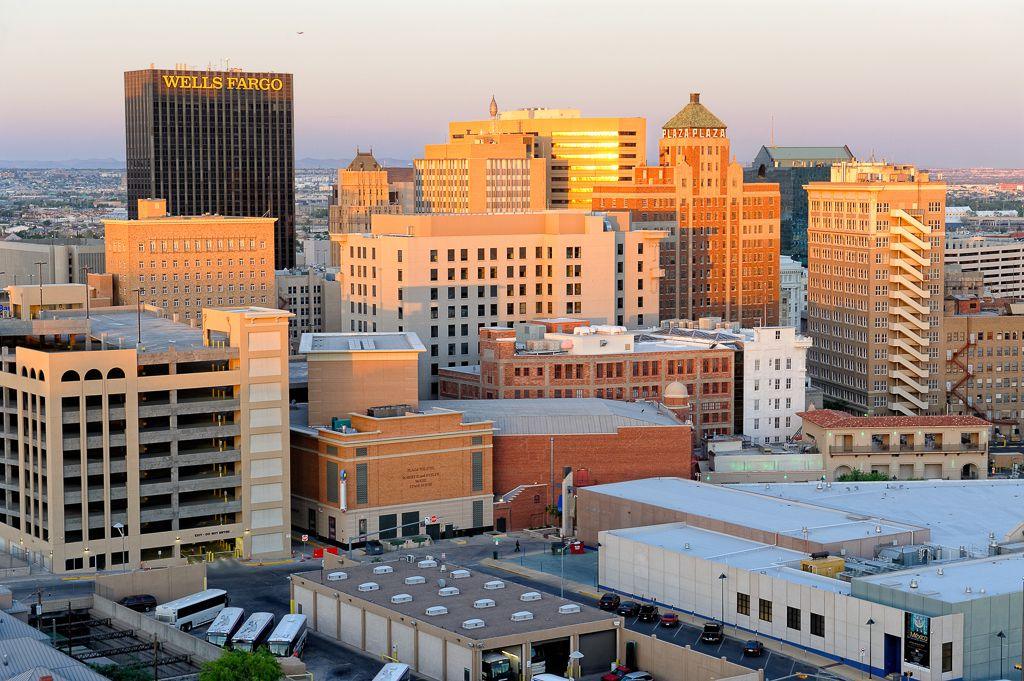
Exploring the Historic Districts of El Paso, Texas
El Paso, Texas, a city rich in cultural heritage and history, offers visitors a captivating journey through its historical districts. With a diverse blend of architectural styles and stories that range from indigenous cultures to Mexican heritage, guided tours in this region provide a unique glimpse into the past. From the iconic Plaza Theatre to the charming streets of the Mission District, each tour highlights the influences that have shaped El Paso into what it is today.
For those looking to immerse themselves in the flavors of the Southwest, guided tours not only enhance the understanding of the city’s historical significance but also celebrate its vibrant contemporary scene. Whether you’re a history buff or simply looking for an engaging way to explore El Paso, there is a tour tailored for every interest.
The Historical Significance of El Paso
El Paso’s history is rooted in **its strategic location** along the Rio Grande, which has made it a crossroads for cultures for centuries. Historically inhabited by native peoples such as the Tigua and Suma tribes, the region later saw the arrival of Spanish explorers in the late 16th century, fundamentally altering its cultural landscape. Spanish missionaries established the area’s first settlements, many of which can still be seen today, creating a rich tapestry that combines indigenous, Spanish, and more modern influences.
This historical backdrop is preserved through numerous **landmarks and buildings** that stand as testaments to the city’s evolution. Visitors exploring the Historic Old El Paso district might encounter stunning monuments such as the **San Elizario Historic District**, which features some of the oldest adobe structures in the region. The rich architecture not only serves as a visual delight but also as a crucial piece of the puzzle in understanding how El Paso has developed over centuries.
Furthermore, the **Spanish Colonial Revival style**, prominently displayed in the downtown area, reflects the unique amalgamation of cultures that characterizes El Paso. This architectural style, with its distinctive arches and brightly colored tiles, invites visitors to appreciate the craftsmanship and history behind the structures. Each building tells its own story, contributing to the larger narrative of the city’s past.
Diverse Guided Tour Options
Tourists exploring El Paso have an array of guided tour options that delve into the city’s history through different lenses. Whether you are interested in its architectural beauty, cultural evolution, or historical narratives, there is likely a tour that will meet your interests. Among the most popular tours are:
- Walking Tours: These tours provide a close-up experience, allowing participants to navigate the historical streets on foot while being guided by knowledgeable locals.
- Bus Tours: For those wishing to cover more ground, bus tours offer a comprehensive overview of the city’s major historical sites.
- Bicycle Tours: Combining exercise with education, these tours offer a unique perspective on El Paso’s architecture and significant locations.
- Culinary Tours: Food lovers can appreciate the city’s cultural diversity through guided tastings of traditional and contemporary dishes.
Each of these tours not only allows participants to explore the city but also engages them with captivating stories and facts. Tour guides often include personal anecdotes and deeper insights into El Paso’s rich tapestry, making the experience memorable and informative.
Highlighting Key Historic Districts
El Paso is home to several historic districts, each with its own unique charm and significance. The Downtown El Paso Historic District is a prime example, showcasing the city’s rich architectural heritage. This area features elegant buildings dating back to the early 20th century, including theaters, banks, and department stores that reflect the boom of the railroad industry. A stroll through this district provides a fascinating glimpse into the economic and social growth of El Paso during that era.
Another notable area is the Mission Trail, which comprises a stretch of historic missions established by Spanish settlers in the late 17th and early 18th centuries. Visitors can explore the **San Elizario Mission**, the **Ysleta Mission**, and the **Socorro Mission**, all of which offer a deep and enriching experience associated with the early Catholic presence in the region. Beyond their religious significance, these missions played a crucial role in the cultural assimilation and interaction of communities here.
In contrast, the Chihuahuan Desert Gardens and the surrounding area provide insight into the local flora and fauna as well as the natural landscapes that have historically influenced settlement patterns. This juxtaposition of natural beauty alongside architectural wonders highlights El Paso’s diverse attributes and encourages visitors to appreciate both the manmade structures and the expansive desert landscapes.
The Role of Local Guides in Enhancing the Experience
What sets guided tours apart is the expertise of the local guides who lead them. These individuals are often passionate about El Paso’s history and possess a wealth of knowledge regarding its cultural and historical contexts. Many guides are locals who share personal experiences and stories that may not be found in textbooks. Their enthusiasm and insights can make the tours particularly enriching.
Local guides often emphasize the stories of **unsung heroes and landmark events** in El Paso’s history, providing visitors with a more relatable perspective. For example, tours may elaborate on the contributions of individuals such as **Joe Rodriguez**, a local civil rights activist whose efforts helped shape the modern landscape of El Paso. By focusing on personal narratives intertwined with broader historical facts, these guides effectively engage tourists, allowing them to forge a deeper emotional connection to the city.
Moreover, many tour companies are committed to **sustainability and community engagement**. By hiring local guides and promoting smaller businesses, they ensure that the economic benefits of tourism are felt throughout the community. This creates an opportunity for tourists to not only learn about El Paso but also support its residents and contribute to the preservation of its history.
Cultural Events and Festivals in Historic Districts
Aside from guided tours, El Paso also boasts a dynamic calendar of cultural events and festivals that take place throughout the year, especially in its historic districts. These events provide opportunities for visitors to engage actively with the rich cultural tapestry of the city. One of the most celebrated events is the **Fiesta de las Flores**, a vibrant festival featuring parades, music performances, and traditional dance. Held annually, this festival illuminates El Paso’s unique cultural heritage and invites residents and tourists alike to celebrate together.
Additionally, the **El Paso Historic Districts’ Art and Culture Festival** showcases local artists and performers, turning streets into lively showcases of creativity, from art installations to food vendors. This festival highlights the city’s commitment to promoting its historical districts as cultural hubs. Visitors frequently express their admiration for the artistic flair mixed with El Paso’s rich history, allowing them to appreciate the depth of creative talent housed within the city.
During major holidays, these districts often come alive with ***historical reenactments*** and celebrations, offering tourists a chance to witness the past in real-time. For example, during **Cinco de Mayo**, the streets are filled with music, dance, and cultural displays, illustrating the city’s Mexican heritage and its lasting impact on its identity as a border city. Such events serve as a reminder of El Paso’s living history and offer a comprehensive perspective on how the past continues to shape its present.
Planning Your Visit
When planning a visit to El Paso’s historic districts, there are several key factors to consider to ensure an optimal experience. The peak tourist season typically runs from **March to October**, where the weather is conducive to outdoor tours and activities. However, visiting during the off-peak months might offer a more intimate experience, as crowds are generally thinner, allowing for more meaningful interactions with guides and locals.
Furthermore, it’s advisable to research the specific tours that interest you in advance, as many require reservations or have limited availability. Tour operators often provide detailed descriptions of itineraries and experiential highlights, making it easier for visitors to choose based on their preferences. Review platforms like TripAdvisor or Yelp can offer insights and ratings from fellow travelers to guide your decisions.
Lastly, let your **taste buds be your guide**! Don’t miss the chance to explore local cuisine while visiting the historic districts. Stops at local eateries and food trucks offer a perfect way to enhance your tour experience. Sampling El Paso’s famous **margaritas**, **tacos**, and **chile con queso** will make the exploration even more enjoyable, leaving a lasting impression of the city and its culture.
Embracing the Legacy of El Paso
Guided tours through El Paso’s historic districts offer much more than just sightseeing; they provide a journey into the heart and soul of a city that has been molded by diverse cultures and histories. While the stunning architecture captivates, the stories of people and events behind these structures resonate even deeper, emphasizing the importance of community and shared history. As visitors navigate through the winding streets of El Paso, they become part of a living legacy that is continuously evolving yet deeply rooted in the past.
In learning about El Paso, tourists not only enjoy an enriching experience but also contribute to the preservation of its unique heritage. By engaging with local guides, participating in cultural events, and supporting small businesses, they help ensure that the stories of El Paso persist for generations to come. No matter what draws them to the city, visitors discovering El Paso’s historic districts can rest assured that they are part of an ongoing narrative that celebrates the rich tapestry of this remarkable Texan community.