







Exploring El Paso’s Historic Districts
El Paso, Texas, is a city that is often celebrated for its rich cultural heritage and vibrant history. Nestled along the U.S.-Mexico border, this dynamic metropolis has witnessed a diverse tapestry of influences throughout the years. From its early days as a frontier town to its current status as a bustling urban center, El Paso boasts numerous historic districts and neighborhoods that tell the compelling story of its past.
The historic districts of El Paso beckon both residents and tourists alike, as they offer a glimpse into the architectural styles, social dynamics, and communal life of different eras. Each neighborhood possesses its own unique charm and narrative, rooted deeply in the traditions and experiences of its inhabitants. With an eye toward preservation and appreciation, various organizations work tirelessly to maintain the architectural integrity of these areas, ensuring that they remain vital parts of the city’s cultural landscape.
The Significance of Historic Preservation
Preserving the past is essential for enriching the cultural fabric of a community. Historic preservation in El Paso not only safeguards its architectural landmarks but also fosters a sense of identity and continuity among residents. By maintaining these structures, El Paso pays homage to those who came before and the stories they left behind.
Many historic districts have been officially recognized and designated, which protects them from demolition and encourages responsible development. This means that stakeholders, including homeowners, local businesses, and city planners, have a role in ensuring that any renovations or new constructions are respectful of the historical character of these neighborhoods. The initiative helps to create a cohesive environment that reflects the city’s historical narratives while accommodating modern needs.
Moreover, as more visitors flock to El Paso, the preservation of historic neighborhoods can boost local tourism. These areas often offer guided walking tours, educational programs, and cultural events that attract history enthusiasts. When tourists engage with the stories and heritage of a place, they contribute to the local economy and foster a deeper understanding of the community’s identity.
Notable Historic Districts in El Paso
The Lower Valley
The Lower Valley is a vibrant neighborhood replete with an array of cultural influences, showcasing the merging of American and Mexican traditions. Historically, this district has been a hub for El Paso’s working-class population, primarily consisting of families who sought opportunities in the burgeoning city. The Lower Valley reflects a diversity of architectural styles, from traditional adobe homes to modern constructions, each telling its own part of the neighborhood’s narrative.
One of the most striking sites here is the historic Ysleta Mission, established in 1682, making it one of the oldest missions in Texas. This mission not only serves as a religious structure but also as a vital historical and cultural landmark for the local community. The architecture exemplifies early colonial styles and is renowned for its beautiful interiors. The mission often hosts events that celebrate its storied history, inviting locals and visitors to connect with the past.
In addition to the mission, the Lower Valley is lined with bustling markets, restaurants, and community centers that reflect the rich sartorial and culinary traditions of the region. From handmade artisan goods to authentic Mexican cuisine, the market scene here embodies the district’s vibrant culture and community spirit. The sense of belonging felt here is palpable, making it a cherished location for long-time residents and newcomers alike.
El Segundo Barrio
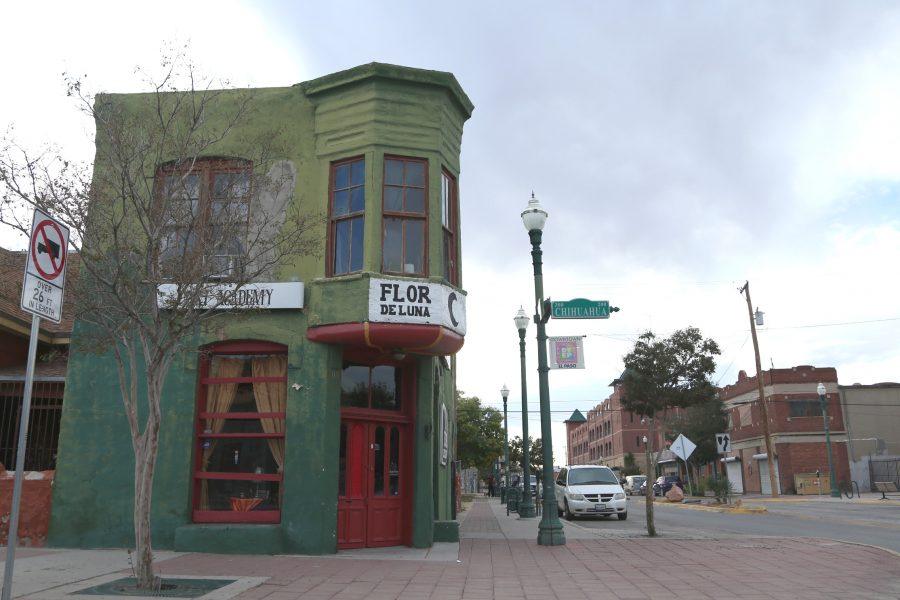
Another significant neighborhood in El Paso’s historical landscape is El Segundo Barrio, known for its deep Mexican American roots. Dating back to the late 19th century, this area was primarily settled by Mexican immigrants seeking refuge and opportunities. The neighborhood’s streets are packed with a mix of quaint homes, churches, and resource centers, creating a uniquely vibrant environment.
El Segundo Barrio stands out for its commitment to preserving its cultural identity. The local *Centro de Salud Familiar* serves as a health resource for residents, while community organizations promote arts and cultural programs aimed at celebrating the barrio’s heritage. The community’s dedication to maintaining its traditions has fostered a strong sense of pride and resilience among its residents.
Architecturally, El Segundo Barrio features numerous examples of Mission Revival and Bungalow styles, with an emphasis on maintaining the historic character of its homes. Efforts like the rehabilitation of local parks and sidewalks have taken place, aiming to enhance accessibility while fostering the historic aesthetic. Not only is this neighborhood rich in history, but it also serves as a living community committed to preserving the spirit of the past.
Recent Developments and Future Prospects
Revitalization Efforts
El Paso’s rich historic districts have not gone unnoticed by city planners and historical preservationists. Over recent years, the city has embarked on various revitalization projects aimed at breathing new life into these neighborhoods. Unlike many cities that turn to urban sprawl, El Paso’s approach is focused on restoration and enhancement of existing communities.
Efforts include the renovation of old buildings into modern housing, adapting these structures for new functions while maintaining their historical charm. For instance, many dilapidated warehouses are being transformed into lofts and creative spaces, catering to the growing demand for artist communities and local enterprises. Such transformations not only preserve history but also breathe new economic life into the area. The challenge lies in striking a balance between modern needs and historical integrity.
Recommendations from community stakeholders often emphasize the importance of involving local residents in the planning process. By prioritizing accessible forums for feedback, decision-makers can ensure that revitalization efforts genuinely reflect the desires of those who stand to benefit from them. This grassroots approach fosters a sense of ownership and accountability, vital for the long-term success of these initiatives.
The Role of Community Engagement
Community engagement has become increasingly relevant in El Paso’s historic districts, with many organizations focusing on inclusivity and representation. Events such as historic home tours, art walks, and cultural festivals not only showcase the neighborhood’s history but also invite participation from a broader audience, fostering understanding and appreciation.
Moreover, school partnerships with local historical societies have resulted in educational programs for students, connecting younger generations with their heritage. Workshops, lectures, and hands-on experiences provide invaluable insights, enriching students’ perspectives and strengthening community ties. As awareness grows, so too does support for preservation efforts, creating a more informed populace eager to protect and advocate for their neighborhoods.
Technology also plays a vital role in community engagement. Online platforms have emerged, allowing residents to share their stories, document changes, and collaborate on ideas for future developments. Social media campaigns raise consciousness about local history, encouraging dialogue that bridges the gap between generations. The power of storytelling can catalyze appreciation for heritage, ensuring that the legacy of El Paso’s historic districts is both honored and preserved.
Final Reflections on El Paso’s Historic Neighborhoods
El Paso’s historic districts and neighborhoods encapsulate a profound blend of cultural identities and historical narratives that contribute to the unique essence of the city. Areas like the Lower Valley and El Segundo Barrio serve as reminders of the rich tapestry that has been woven over centuries. The ongoing efforts in preservation, revitalization, and community engagement are indicative of a city committed to both honoring its past and embracing its future.
As urban landscapes continue to evolve, the success of these neighborhoods will depend significantly on the dedication of their residents and the commitment of local government to preserve their character while adapting to change. Through collaboration and cultural celebration, El Paso can ensure that these historic districts remain vibrant, inclusive spaces for generations to come. The resilience of El Paso’s communities serves as a testament to the enduring power of history and the importance of preserving it for those who follow.
The legacy of these neighborhoods is not merely a relic of the past; it is a dynamic part of what makes El Paso a unique and enchanting destination. As the city forges ahead, the stories of its historic districts will continue to resonate, echoing the voices of those who have shaped this vibrant community.